November 2025 in “Photochemistry and Photobiology” This review article identifies a need for standardized guidelines in using photobiomodulation therapy for spinal cord injury repair, emphasizing that current inconsistencies in therapy parameters may hinder optimal outcomes and limit clinical trials.
 July 2023 in “Photodermatology, Photoimmunology and Photomedicine”
 This review compiles existing research on infrared radiation's effects on human skin, noting both its potential harmful thermal impacts and encouraging therapeutic applications, but reports no new clinical results.
18 citations
,
January 2017 in “PloS one” This study identified 295 genes with differential expression in Yangtze River Delta White Goats that produce high-quality brush hair, suggesting these genes and the MAPK signaling pathway may influence hair quality traits.
February 2024 in “Neurophotonics” This review highlights the potential of transcranial photobiomodulation (tPBM) as a non-invasive and affordable treatment for brain diseases, summarizing recent advances and successful protocols based on over two decades of research.
203 citations
,
May 2022 in “Pharmaceutics” This review discusses ongoing concerns and advancements in the use of gelatin as a biomaterial in tissue engineering, highlighting improved tissue mimicry through techniques like 3D bioprinting and suggesting a future focus on disease detection and diagnosis rather than treatment.
44 citations
,
January 2021 in “Research” This study explored the use of manganese-doped calcium silicate nanowire-incorporated alginate hydrogels (MCSA hydrogels) for treating melanoma and promoting wound healing, finding that these hydrogels effectively ablate melanoma under near-infrared irradiation and enhance vascular endothelial cell activity for tissue regeneration.
 31 citations
,
August 2022 in “Frontiers in Oncology”
31 citations
,
August 2022 in “Frontiers in Oncology” This review discusses the potential benefits of photobiomodulation for managing side effects of cancer therapy and provides specific guidelines for its use in supportive cancer care, without presenting new clinical results.
29 citations
,
February 2022 in “Frontiers in Cell and Developmental Biology” This review discusses strategies to improve CRISPR/Cas systems by addressing limitations like off-target effects and delivery inefficiencies, offering practical guidance and highlighting future applications, but reports no new research findings.
6 citations
,
June 2025 in “Nano Biomedicine and Engineering” This source reports on advances in stimulus-responsive nanoparticle-based PROTACs (nano-PROTACs), which aim to overcome existing challenges like poor cell permeability and systemic off-target effects by enabling controlled protein degradation through endogenous or exogenous stimuli, potentially enhancing therapeutic efficacy and reducing toxicity.
30 citations
,
November 2024 in “ACS Materials Au” This article provides an overview of microneedle technology for transcutaneous drug delivery, discussing microneedle designs, materials, and activation methods that enhance drug stability and regulated release, and outlines considerations for their successful clinical implementation, such as biocompatibility and production cost.
20 citations
,
September 2018 in “Bioengineering & Translational Medicine” This review discusses regenerative medicine and explores the potential of molecular imaging in enhancing personalized therapies, but it reports no new research results.
19 citations
,
January 2023 in “ACS Omega” This study developed sodium alginate and epigallocatechin gallate cryogels cross-linked with ferric ions, showing that they have strong antibacterial properties and rapid hemostatic abilities, making them promising candidates for wound dressing applications.
8 citations
,
May 2024 in “ACS Applied Materials & Interfaces” This study found that incorporating PCL-based nanoscaffolds into liver spheroids enhances their viability and liver-specific biofunctionality, suggesting these scaffolds improve the model's potential for preclinical drug screening by increasing sensitivity to acetaminophen toxicity compared to traditional methods.
 96 citations
,
September 2021 in “International Journal of Molecular Sciences”
96 citations
,
September 2021 in “International Journal of Molecular Sciences” This review highlights recent advances in chitosan-based nanoparticles (CS NPs) for drug delivery, discussing their modifications, preparation methods, production with organic and inorganic materials, and their latest implementations in the field, emphasizing the role of CS NPs in improving drug transport and release properties.
 34 citations
,
September 2019 in “Clinical, Cosmetic and Investigational Dermatology”
34 citations
,
September 2019 in “Clinical, Cosmetic and Investigational Dermatology” This review covers the use of photobiomodulation devices for hair regrowth in various types of alopecia and reports no new clinical results.
16 citations
,
April 2025 in “Journal of the American Academy of Dermatology” In this study, an expert panel established a consensus guideline indicating that photobiomodulation is a safe and effective treatment for various conditions, including peripheral neuropathy and androgenic alopecia.
15 citations
,
August 2023 in “Journal of Nanobiotechnology” This review highlights recent advancements in using nanotechnology for scar prevention and treatment, emphasizing the unique properties of nanomaterials in drug delivery and the challenges that remain in maximizing their potential for effective scar interventions.
14 citations
,
January 2025 in “Biomaterials Research” This review discusses the use of bioactive glass in skin tissue repair and highlights its potential to aid wound healing through effects on inflammatory cells and tissue regeneration, but reports no new experimental findings.
11 citations
,
December 2024 in “Wound Repair and Regeneration” In this study, researchers created the WRAHPS Guidelines to standardize the reporting of preclinical wound healing studies, aiming to improve transparency, enable comparative analysis, and support the development of human clinical trials for wound healing disorders.
10 citations
,
September 2022 in “Journal of Biophotonics” This study analyzed clinical and histological reports and concluded that blue light therapy is safe for human skin, with potential photoprotective effects against UV irradiation due to its impact on skin pigmentation mediated by Opsin-3.
9 citations
,
August 2024 in “Pharmacological Reviews” This review summarized advancements in intestinal lymphatic drug delivery, emphasizing the evolving understanding of lymphatics as active players in health and disease, which has led to innovative therapeutic strategies and enhanced pharmacokinetic outcomes via this delivery route.
9 citations
,
February 2024 in “Indian Dermatology Online Journal” This study discusses the potential of advanced imaging technologies in dermatology to improve diagnostic accuracy and reduce the need for invasive procedures like biopsies, while noting significant barriers in adoption and accessibility in India due to costs and infrastructure constraints.
8 citations
,
September 2024 in “International Journal of Molecular Sciences” This review discusses how polymers can be customized to develop biomaterials that mimic the extracellular matrix, exploring their potential in biomedical and biotechnological applications by triggering cell functions similar to natural physiological systems.
5 citations
,
September 2023 in “Molecules” This review examines physical methods like electron paramagnetic resonance spectroscopy, Raman spectroscopy, and differential scanning calorimetry, highlighting their complementary capabilities in analyzing biomolecular structures and mycobacterial interactions with reactive oxygen species and antioxidants.
 2 citations
,
February 2023 in “BJUI”
2 citations
,
February 2023 in “BJUI” This study found that utilizing a clinical pharmacist in perioperative urological services reduced surgical cancellations and resident overtime while improving service efficiency and financial sustainability.
 2 citations
,
January 2022 in “BioMed Research International”
2 citations
,
January 2022 in “BioMed Research International” This study found that using an LED array with an 863 nm wavelength delayed tumor development and reduced systemic inflammatory cytokines in DMBA/TPA-induced mouse skin tumors, suggesting potential but limited benefits of light therapy.
1 citations
,
May 2025 in “Carbohydrate Polymers” The new chitosan dressing heals wounds better and faster than current products.
 August 2025 in “International Journal of Nanomedicine”
 This review discusses metal-organic frameworks for treating diabetic infected wounds and related applications, reporting no new clinical results but highlighting challenges like biosafety and production for future research.
April 2024 in “International journal of molecular sciences” This narrative review discusses the promising role of photobiomodulation in dermatology, emphasizing its non-invasive nature and potential benefits, but acknowledges the need for further research to establish standard protocols.
 January 2024 in “International Journal of Molecular Sciences”
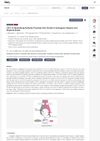
 This study found that subcutaneous injection of a CXCL12 neutralizing antibody significantly promoted hair growth in androgenic alopecia and inhibited hair loss in alopecia areata in mouse models, suggesting its potential as a promising treatment for hair loss.