 18 citations
,
March 2016 in “Cosmetics”
18 citations
,
March 2016 in “Cosmetics” This review discusses telogen effluvium, including its triggers, clinical presentations, and management options, and does not report new research findings, emphasizing the need for identification and exclusion of underlying causes.
 2 citations
,
July 2023 in “Obstetrics & Gynecology”
2 citations
,
July 2023 in “Obstetrics & Gynecology” In this study, imiquimod was found to increase regression of cervical intraepithelial neoplasia compared to placebo, though it commonly caused side effects that rarely led to treatment discontinuation.
2 citations
,
October 2021 in “Journal of Mind and Medical Sciences” This review discusses the role of HPV vaccination and early screening in reducing cervical cancer incidence but reports no new clinical results.
 1 citations
,
May 2021 in “BMC Proceedings”
1 citations
,
May 2021 in “BMC Proceedings” This study found that frequent attenders at Cork University Hospital's emergency department accounted for a disproportionate amount of visits and were more likely to require admission for further care.
 March 2024 in “International journal of molecular sciences”
 This study suggests that abnormal levels of zinc, copper, and iron in serum or hair may serve as auxiliary and prognostic tests for various skin diseases, though further research is necessary due to conflicting data.
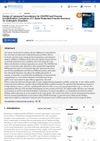 November 2023 in “ACS Omega”
 This study reported that a novel cationic liposome formulation for delivering encapsulated Cas9 protein and sgRNA successfully decreased SRD5α2 mRNA expression by 29.7% in vitro, suggesting a potential alternative treatment option for conditions like prostate cancer and benign prostatic hyperplasia without current drug side effects.
 31 citations
,
January 2017 in “Advances in Experimental Medicine and Biology”
31 citations
,
January 2017 in “Advances in Experimental Medicine and Biology” This review discusses the negative health impacts of testosterone deficiency and the potential adverse effects of 5α-reductase inhibitors, emphasizing the need for patient-physician discussions regarding these treatments.
 21 citations
,
February 2015 in “Journal of Feline Medicine and Surgery”
21 citations
,
February 2015 in “Journal of Feline Medicine and Surgery” This study found that negative pressure wound therapy combined with skin grafting is a feasible method for treating soft tissue and skin defects in cats, achieving a high graft take rate and satisfactory outcomes.
 16 citations
,
April 2016 in “PLoS ONE”
16 citations
,
April 2016 in “PLoS ONE” In a porcine model, this study observed that using an External Tissue Expansion Device increased epidermis thickness, cell proliferation, and vessel density at fat graft recipient sites.
15 citations
,
June 2015 in “F1000Research” This study examined immune responses to Diphencyprone and found that its induced skin reactions have higher levels of negative immune regulators compared to psoriasis, suggesting differences in immune regulation may contribute to psoriasis chronicity.
14 citations
,
December 2022 in “Frontiers in Pharmacology” This study reports that negative pressure wound therapy combined with PRP may effectively accelerate wound healing and reduce mortality in diabetic foot ulcers, with albumin and age identified as independent predictors of mortality risk.
4 citations
,
November 2023 in “Journal of Cosmetic Dermatology” In this study, researchers found that negative pressure fractional microneedle radiofrequency significantly improved periorbital wrinkles, hydration, and dermal thickness in patients with periorbital aging, while also increasing orderly collagen and elastic fibers, with minimal adverse effects reported.
2 citations
,
February 2024 in “International Journal of Molecular Sciences” This study reported that in a mouse model, Negative Pressure Wound Therapy promotes wound healing by modulating inflammatory responses and increasing dickkopf-related protein 1, which encourages the differentiation of Hair Follicle Stem Cells into epidermal cells.
July 2025 in “Journal of Investigative Dermatology” Negative Pressure Wound Therapy reduces surgical site infections and speeds up healing.
 March 2024 in “Tissue engineering. Part A”
 In this study, researchers observed that applying negative pressure to nude mice led to a significant increase in hair follicle growth and angiogenesis, suggesting potential for hair regeneration through mechanisms involving SOX-9, LHX-2, and β-catenin mediation.
 July 2008 in “Journal of Intellectual Property Law & Practice”
 The UK Intellectual Property Office allows granting of supplementary protection certificates with negative terms.
419 citations
,
March 2005 in “Proceedings of the National Academy of Sciences” This study demonstrated that ND-GFP stem cells from the hair-follicle bulge area can differentiate into various cell types, including neurons, suggesting their potential as a source for therapeutic applications.
 175 citations
,
April 1982 in “Journal of The American Academy of Dermatology”
175 citations
,
April 1982 in “Journal of The American Academy of Dermatology” This study found that oral isotretinoin achieved good to excellent clinical results in treating severe inflammatory acne, severe rosacea, and gram-negative folliculitis.
 68 citations
,
December 2011 in “Journal of Investigative Dermatology”
68 citations
,
December 2011 in “Journal of Investigative Dermatology” This study reported that a three-dimensional hydrogel culture system supports the growth and maintenance of distinct dermal papilla cell types, crucial for skin reconstitution assays in neonatal mice.
 32 citations
,
May 2012 in “PloS one”
32 citations
,
May 2012 in “PloS one” This study found that despite the persistence of aberrant double-negative T-cells, functional immune-competence was maintained after thymic transplantation in a patient with a rare FOXN1 mutation.
30 citations
,
October 1999 in “Differentiation” This study found that expression of certain mutant keratin genes in mice led to severe alopecia, suggesting a similar mechanism could cause hair loss in humans.
 8 citations
,
September 2017 in “Journal of Investigative Dermatology”
8 citations
,
September 2017 in “Journal of Investigative Dermatology” This study found that inhibiting the interaction between CXXC5 and Dishevelled could stimulate hair regrowth in mouse models by enhancing WNT/β-catenin signaling, suggesting a potential therapeutic strategy for hair loss involving compounds that block this interaction, such as interfering short peptides.
 2 citations
,
July 2022 in “Cureus”
2 citations
,
July 2022 in “Cureus” This case report describes a rare patient with Sjogren's syndrome who experienced recurrent pneumothorax, resolved through surgical intervention, highlighting pneumothorax as an unusual complication of the condition.
1 citations
,
July 2021 in “Frontiers in Oncology” This study found that patient-reported outcomes were similar between neoadjuvant endocrine therapy and chemotherapy in premenopausal breast cancer patients, but future perspective was significantly better with endocrine therapy.
 June 2026 in “Journal of cancer research updates”
 This study conducted in an Iraqi oncology setting found generic Palbociclib to have a safety profile consistent with previous data, with observed side effects including high rates of neutropenia and anemia, particularly among patients receiving it with Fulvestrant.
June 2026 in “The Journal of Sexual Medicine” This case report describes an extremely rare instance of seminoma in an adult with SRY-negative 46,XX testicular disorder of sex development, uniquely presenting as acute abdomen due to gonadal torsion.
 June 2024 in “Journal of Clinical Oncology”
 This study observed that dalpiciclib is associated with fewer adverse events like diarrhea and hepatotoxicity compared to other CDK4/6 inhibitors, potentially offering better patient-perceived safety and quality of life.
October 2021 in “Book Publisher International (a part of SCIENCEDOMAIN International)” This study explored a new treatment for Alopecia Areata, combining high negative pressure microdermabrasion with intralesional steroid injections, and compared its effects to steroid injections alone, although the abstract does not report specific outcomes.
September 2019 in “Journal of Investigative Dermatology” This study found that in chronic alopecia areata, increased IL-17 expression and CD8+CD49a-Trm cell infiltration in hair follicles were associated with more severe histopathologic gradings, while Foxp3+mTreg infiltration decreased.
 February 2018 in “Journal of dermatology & cosmetology”
 This study investigated a combination of high negative pressure microdermabrasion with intralesional steroid injections for treating alopecia areata, comparing its effectiveness to steroid injections alone.