1 citations
,
August 2018 in “Anais Brasileiros de Dermatologia” This study found that facial threading decreased skin roughness and improved subjective assessments of skin smoothness and color after three sessions.
 May 2025 in “International Journal of Trichology”
 In this report, four cases of noncicatricial alopecia developed following a single session of dutasteride mesotherapy in patients with androgenetic alopecia, highlighting potential adverse effects and the need for careful monitoring of the drug's composition.
 January 2025 in “Lasers in Medical Science”
 In this study, researchers found that combining fractional CO2 laser sessions with topical dutasteride was more effective in improving male androgenic alopecia than using the laser treatment alone, as observed through global photo assessments and dermoscopic parameters.
 September 2024 in “Heliyon”
 In this study, researchers observed that even a single session of hair dyeing can damage hair fibers, with significant worsening of mechanical properties and protein composition after three or more consecutive treatments, emphasizing the need to consider the cumulative impacts of dyeing on hair health.
April 2024 in “International journal of molecular sciences” This source reports that for treating keloids and hypertrophic scars, combination pharmacotherapy targeting multiple sites is generally more effective than using a single drug, though outcomes of individual therapies vary and the development of satisfying treatments is ongoing.
 November 2022 in “Pakistan Armed Forces Medical Journal”
 This study found that intense pulse light and diode laser treatments were similarly effective and tolerable for reducing unwanted facial hair in female patients with hirsutism, with no significant differences in hair reduction, adverse effects, or patient satisfaction between the two methods.
 August 2021 in “Pelviperineology”
 This article discusses the complexity of vulvodynia and highlights the potential effectiveness of Fascial Manipulation therapy in addressing this condition, but it reports no new clinical results.
 June 2020 in “Journal of cosmetic medicine”
 This article discusses the development of a standardized assessment scale for hair transplant outcomes, emphasizing multiple parameters that contribute to an aesthetically pleasing result and reports no new clinical findings.
 September 2018 in “The Medical Journal of Cairo University/The Medical Journal of Cairo University”
 In this study, polarized light therapy increased hair regrowth in patients with alopecia areata compared to those who received only minoxidil.
March 2023 in “Medica Hospitalia: Journal of Clinical Medicine” In this study, PRP treatment significantly promoted hair regrowth in patients with alopecia areata, with the best outcomes occurring after 4-6 sessions.
 November 2020 in “Psychoneuroendocrinology”
 In this study, repeated finasteride administration was associated with decreased social interaction and cognitive deficits in male rats, potentially linked to changes in cholinergic system activity.
 74 citations
,
July 2008 in “Journal of Dermatological Case Reports”
74 citations
,
July 2008 in “Journal of Dermatological Case Reports” This study found that trichoscopy can diagnose genetic hair shaft abnormalities without plucking or cutting hair, by visualizing characteristic features in a single session.
 1 citations
,
July 2018 in “Elsevier eBooks”
1 citations
,
July 2018 in “Elsevier eBooks” This research focuses on alopecia areata, highlighting the psychological impact, especially of its variant alopecia areata incognita, and provides diagnostic and treatment tips, but does not report specific results.
 72 citations
,
September 1997 in “Dermatologic Surgery”
72 citations
,
September 1997 in “Dermatologic Surgery” This review discusses follicular transplantation for hair restoration, highlighting the importance of evaluating patient suitability and careful planning to achieve excellent cosmetic outcomes, but reports no new research findings.
 February 2019 in “Journal of Pakistan Association of Dermatologists”
 In this study, eflornithine cream combined with intense pulsed light treatment significantly improved facial hair removal in women with hirsutism compared to IPL treatment alone.
 May 2017 in “Journal of The American Academy of Dermatology”
 Combining microneedling with Q-switched laser treatment for tattoo removal did not improve results and caused more pain.
63 citations
,
February 2010 in “Journal of Neurophysiology” This study observed that electrical stimulation of specific mechanoreceptive afferents in the orofacial region can evoke sensations consistent with their response properties, while others may require multiple afferents to access perceptual levels.
 53 citations
,
January 2014 in “Journal of Cutaneous and Aesthetic Surgery”
53 citations
,
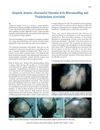
January 2014 in “Journal of Cutaneous and Aesthetic Surgery” Microneedling combined with triamcinolone can safely stimulate faster hair regrowth in people with Alopecia Areata.
 45 citations
,
June 2004 in “Lasers in Medical Science”
45 citations
,
June 2004 in “Lasers in Medical Science” This study found that non-coherent intense pulsed light (IPL) treatment significantly reduced hair growth by about 80% in patients with skin type III-V without causing side effects.
 18 citations
,
February 2017 in “Journal of Cosmetic Dermatology”
18 citations
,
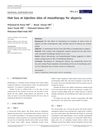
February 2017 in “Journal of Cosmetic Dermatology” This study reports that mesotherapy for androgenetic alopecia may paradoxically lead to hair loss and scarring, highlighting the need for improved regulation and monitoring of this treatment.
13 citations
,
July 2024 in “Medicina” This review investigates laser-induced Koebner-related reactions and highlights how different laser types, targets, and session frequencies affect the development of these skin responses, particularly in individuals with darker skin phototypes.
 12 citations
,
January 2011 in “Photodermatology, photoimmunology & photomedicine”
12 citations
,
January 2011 in “Photodermatology, photoimmunology & photomedicine” This study found that phototoxic psoralen and ultraviolet A therapy with topical 8-MOP was effective in treating alopecia areata resistant to other treatments, improving hair regrowth with minimal side effects.
 11 citations
,
July 2008 in “Facial Plastic Surgery Clinics of North America”
11 citations
,
July 2008 in “Facial Plastic Surgery Clinics of North America” This article discusses the benefits of follicular unit transplantation for male hair restoration, highlighting its ability to achieve natural-looking results with minimal recovery time and low risk of complications, and reports no new clinical results.
 9 citations
,
September 2019 in “Clinical, Cosmetic and Investigational Dermatology”
9 citations
,
September 2019 in “Clinical, Cosmetic and Investigational Dermatology” In this case report, the authors observed that scalp injection of autologous adipose tissue had a positive effect on hair growth in a patient with trauma-related alopecia, suggesting it might be a promising treatment for alopecia.
 8 citations
,
January 2015 in “Scars, burns & healing”
8 citations
,
January 2015 in “Scars, burns & healing” This review discusses surgical and non-surgical options for hair restoration in burn alopecia, highlighting follicular unit extraction and transplant as preferred methods but reports no new clinical findings.
 8 citations
,
June 2001 in “International Journal of Cosmetic Surgery and Aesthetic Dermatology”
8 citations
,
June 2001 in “International Journal of Cosmetic Surgery and Aesthetic Dermatology” This article reviews methods for managing the donor area in hair restoration surgery to minimize scarring and reports no new results.
 6 citations
,
November 2020 in “Dermatology and Therapy”
6 citations
,
November 2020 in “Dermatology and Therapy” This study reports that providing free, specialized dermatology care through a collaboration between the University of Michigan Health System and a nonprofit clinic was feasible and beneficial for uninsured Southeast Michigan residents.
 5 citations
,
April 2005 in “Clinics in Plastic Surgery”
5 citations
,
April 2005 in “Clinics in Plastic Surgery” This article reviews the use of micrografts and minigrafts for hair restoration in various conditions, enhancing aesthetic outcomes, but it does not provide new clinical findings.
 4 citations
,
October 2024 in “Aesthetic Plastic Surgery”
4 citations
,
October 2024 in “Aesthetic Plastic Surgery” In this study, combining microneedle and sublative fractional radiofrequency treatments significantly improved skin tightening, texture, collagen organization, and satisfaction in individuals with moderate photoaging, while reducing abnormal elastin after three months.
 4 citations
,
November 2020 in “Journal of The American Academy of Dermatology”
4 citations
,
November 2020 in “Journal of The American Academy of Dermatology” This article discusses the factors driving the platelet-rich plasma market in dermatology and reports no clinical results; it highlights the need for more affordable and accessible treatments.