 22 citations
,
January 2015 in “Dermatology Research and Practice”
22 citations
,
January 2015 in “Dermatology Research and Practice” This study found that an oral marine protein supplement significantly increased hair growth and reduced hair shedding in women with temporary thinning hair over 90 days compared to a placebo.
 55 citations
,
November 2018 in “American journal of human genetics”
55 citations
,
November 2018 in “American journal of human genetics” This study identified five mutations in the gene LSS in individuals with unexplained hypotrichosis simplex, highlighting a potential role of mislocalized LSS proteins in disrupting hair follicle biology.
21 citations
,
October 2025 in “Advanced Materials” This study found that a newly created biomimetic microneedle platform effectively expedited wound repair in diabetic animal models by reducing inflammation, enhancing angiogenesis, and promoting skin regeneration through targeted drug delivery and immune response modification.
 May 2008 in “The International Conference on Mathematics and Engineering Physics”
 This study reports that combining low level laser treatment with liposome-delivered methylene blue may effectively target sebaceous glands in mice, with efficacy influenced by laser timing and drug absorption.
 13 citations
,
February 2020 in “Journal of the American Academy of Dermatology”
13 citations
,
February 2020 in “Journal of the American Academy of Dermatology” This study found that both oral tranexamic acid and microneedling improve melasma treatment outcomes when added to standard therapy, with microneedling showing a more sustained remission.
3 citations
,
February 2025 in “Frontiers in Cell and Developmental Biology” Wharton's Jelly stem cell medium may help treat skin issues in Systemic Sclerosis.
March 2025 in “Laboratory Investigation” This systematic review found that mixed epithelial and stromal tumor of the seminal vesicle (MESTSV) is characterized by abundant stromal proliferation, architectural heterogeneity, and strong immunoreactivity for ER/PR, with most being benign but warranting surveillance for possible recurrence or metastasis.
This study found that topical mesenchymal stem cell conditioned medium improved skin structure by increasing collagen fiber density, hair follicles, and blood vessel number in a mouse model of skin aging.
1 citations
,
December 2022 in “Plants” This study suggests that CSLD1 is key to nitrogen-dependent root hair elongation and regulation of AMT1;2 expression in rice roots.
 7 citations
,
August 2015 in “Dermatologic Surgery”
7 citations
,
August 2015 in “Dermatologic Surgery” This study found that cross beam laser is a reliable tool for assessing scalp laxity in hair restoration surgery, with results comparable to the Mayer elasticity scale.
 13 citations
,
December 2010 in “Annales de Dermatologie et de Vénéréologie”
13 citations
,
December 2010 in “Annales de Dermatologie et de Vénéréologie” This retrospective study in Morocco confirms that Stevens-Johnson and Lyell syndromes lead to severe ocular and unsightly mucocutaneous sequelae, significantly affecting patients' social and professional integration.
26 citations
,
April 2011 in “British Journal of Dermatology” This study identified novel mutations in the DSG4 gene in a Japanese patient with monilethrix, affecting protein interactions that may disrupt hair shaft structure.
 November 2021 in “Research Square (Research Square)”
 This study observed that MRI treatment increased expression of stemness-related genes and colony formation in umbilical cord-derived mesenchymal stem cells without affecting viability or apoptosis, suggesting enhanced quality for therapeutic use.
 28 citations
,
July 2015 in “American Journal of Clinical Dermatology”
28 citations
,
July 2015 in “American Journal of Clinical Dermatology” This study found a higher prevalence of metabolic syndrome in patients with lichen planus, especially those with mucosal involvement, which is associated with increased cardiovascular and diabetes risk.
 8 citations
,
April 2022 in “The journal of investigative dermatology/Journal of investigative dermatology”
8 citations
,
April 2022 in “The journal of investigative dermatology/Journal of investigative dermatology” This study identified biallelic variants in the LSS gene as a possible genetic cause of palmoplantar keratoderma-congenital alopecia syndrome type 2, highlighting the role of cholesterol synthesis in skin cornification.
 5 citations
,
November 2020 in “Cells”
5 citations
,
November 2020 in “Cells” The researchers reported that using a concentrate of conditioned mesenchymal stem cells derived from the placenta accelerated wound healing and regeneration in laboratory animals with severe local radiation injuries.
22 citations
,
March 2007 in “European journal of pediatrics” This study found that scanning electron microscopy revealed considerable abnormalities in hair morphology in MPS I, II, IIIA, and IIIB patients, potentially related to heparan sulfate accumulation.
January 2026 in “Molecules” In this study, the novel thiol-Michael click perming molecule, MA2-CySS, achieved repeatable perming with reduced oxidative damage, preserving hair keratin's structure while maintaining efficiency comparable to traditional oxidative methods.
 April 2023 in “Journal of Investigative Dermatology”
 This study found that LSD1 is crucial for embryonic skin barrier formation in mice, revealing its significant role in epidermal development and suggesting its potential as a target in skin diseases with barrier defects.
2 citations
,
August 2017 in “Experimental Dermatology” This study developed a new melanocyte cultivation medium without chemical mitogens, melanogenesis enhancers, or bovine products, demonstrating successful proliferation and melanotic differentiation of human melanocytes from hair follicles.
21 citations
,
May 2024 in “American Journal of Medical Genetics Part A” This study observed that among patients with Myhre syndrome, those with the SMAD4 gene variant p.Arg496Cys experienced fewer symptoms like hearing loss, while those with the p.Ile500Thr variant often had severe aortic hypoplasia, highlighting the diverse symptom progression and genetic factors of this rare condition.
April 2014 in “The FASEB journal” In this study, Rhododendron molle extract increased hair follicle length and growth factors while reducing mast cell and substance P expression in stressed mice, suggesting potential benefits for hair growth.
 28 citations
,
February 2014 in “Journal of Telemedicine and Telecare”
28 citations
,
February 2014 in “Journal of Telemedicine and Telecare” Smartphone-based teledermatology is effective for diagnosing skin diseases in the military with good accuracy.
 November 2024 in “Communities in ADDI (University of the Basque Country)”
 Antisense oligonucleotides show promise for treating Myotonic Dystrophy type I.
19 citations
,
December 2021 in “Stem Cell Research & Therapy” This study found that Muse cells, when injected subcutaneously, alleviated symptoms of atopic dermatitis in mice, suggesting potential for treating inflammatory skin conditions.
 November 2022 in “CARDIOMETRY”
 This article discusses the potential benefits of GcMAF and oral MAF, developed by "Saisei Mirai", for cancer and other conditions, but reports no new clinical results.
 August 2021 in “Research Square (Research Square)”
 In this study of clinical-grade ADMSCs, researchers found that cells expanded in PowerStem MSC1 media exhibited increased negative marker expression, chromosomal abnormalities, and signs of senescence compared to those cultured in StemMACS MSC Expansion Media, suggesting that the latter is more suitable for therapeutic applications.
 1 citations
,
December 2022 in “BMC Genomics”
1 citations
,
December 2022 in “BMC Genomics” This study found that the Msx2 gene may regulate goose feather follicle development by influencing cell viability and gene expression, with potential implications for improving down production.
 16 citations
,
April 2014 in “Expert Opinion on Pharmacotherapy”
16 citations
,
April 2014 in “Expert Opinion on Pharmacotherapy” This review discusses the pharmacological profile of teriflunomide for treating relapsing multiple sclerosis, highlighting its safety and effectiveness in reducing relapses and slowing disability progression, though direct comparisons with other oral medications are lacking.
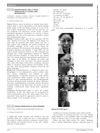
This study presents a case of neuropsychiatric lupus in a 50-year-old woman, highlighting the severe impact on quality of life and the necessity for aggressive treatment to improve outcomes.