1 citations
,
January 1991 in “Journal of obstetrics and gynaecology” This study found that hirsute women had a significantly higher incidence of psychological issues compared to controls, unrelated to the severity of their hirsutism or androgen levels.
 April 2026 in “Academic Dermatology”
 In this retrospective observational study, researchers found that the Dean Scale showed better diagnostic accuracy than the CTCAE scale for detecting clinician-reported therapeutic responses to minoxidil in patients with anticancer therapy-induced alopecia, but both scales had limitations in recording clinically significant hair regrowth.
This study found that a 10% hibiscus leaf extract hair tonic demonstrated better hair growth activity than 2% minoxidil in rabbits but caused eye irritation.
 January 2011 in “Journal of Society of Cosmetic Chemists of Japan”
 This study found that a conditioner containing 18-MEA and SPDA can improve hair's smoothness and reduce flyaways, enhancing hair manageability.
 35 citations
,
October 2017 in “Trends in Molecular Medicine”
35 citations
,
October 2017 in “Trends in Molecular Medicine” This research suggests that targeting the HIF-1α pathway via PHD inhibitors may enable regeneration similar to amphibians in mammals, potentially fast-tracking regenerative therapies from mice to humans.
This study found that bitter melon leaf extract, particularly at a 10% concentration, promoted hair growth in male rabbits, outperforming the effect of a 2% minoxidil solution.
31 citations
,
November 2009 in “European journal of dermatology/EJD. European journal of dermatology” This paper presents a consensus-driven diagnostic evaluation form for assessing hirsutism in premenopausal women, developed by The Skin Academy for use in clinical practice.
 September 2023 in “Medical lasers”
 In this study, using a shampoo with Morus alba root extract over 12 weeks increased hair density and shaft thickness in patients with mild to moderate non-scarring alopecia, with both investigators and participants noting visible improvements and moderate satisfaction.
 July 2023 in “Dermatology and Therapy”
 This review analyzed the use of 5-alpha reductase inhibitors (5ARIs) for treating various dermatological conditions such as androgenetic alopecia, acne, and hirsutism, emphasizing their efficacy and safety profile.

This study highlights the importance of understanding the biology and social behavior of Old World monkeys in biomedical research, noting that improper housing can lead to stress-related behaviors that may impact research outcomes.
 April 2021 in “Journal of Advances in Environmental Health Research”
 This review discusses the health risks of mercury from dental amalgam, including higher levels of mercury in dentists and pregnant women, and suggests using composite resins instead.
In this case report, a 25-year-old female with Mixed Connective Tissue Disease presented unusual symptoms in a specific geographical region, prompting clinicians to approach diagnosis and management with caution due to potential severe complications such as pulmonary hypertension and renal crisis.
1 citations
,
September 2008 In this study, herbal extracts were associated with increased hair regrowth in mice when compared to the negative and vehicle control groups, potentially due to enhanced activity of certain enzymes and growth factors.
21 citations
,
January 2006 in “Hormone Research in Paediatrics” In this case study, a girl with hereditary vitamin D resistant rickets had a novel mutation in the VDR gene that affected hair cycling without causing total alopecia, suggesting ligand-independent VDR function in hair cycling.

This study investigated dermatology providers' attitudes and recommendation behaviors regarding the use of oral minoxidil in treating androgenetic alopecia, amid its rising utilization supported by recent clinical studies demonstrating its effectiveness. Results of these assessments are not reported in the abstract.
2 citations
,
April 2008 in “PubMed” This study identified the c.1204G to A (p.E402K) mutation in the hHB6 gene as a cause of monilethrix in a Chinese family, highlighting the gene's role in the condition.
 14 citations
,
January 2017 in “Annals of Dermatology”
14 citations
,
January 2017 in “Annals of Dermatology” In this retrospective study, low-dose methotrexate was observed to be effective and well-tolerated in treating recalcitrant alopecia areata multiplex, achieving complete or near-complete hair regrowth in about 90% of patients despite some experiencing elevated liver enzymes and gastrointestinal discomfort.
 July 2025 in “The Journal of Dermatology”
 This study identified common and unexpected adverse events associated with ritlecitinib in real-world use, providing insights into its safety profile for treating severe alopecia areata.
September 2012 in “European journal of psychotraumatology” This study presents a new LC-MS/MS method that allows for more accurate detection of seven steroid hormones in human hair, enhancing the specificity and reliability of hormone analysis in psychoneuroendocrinological research.
November 2025 in “Journal of Investigative Dermatology” Radiation-induced hair loss may be caused by hair growth stopping and inflammation in blood vessels.
 49 citations
,
January 2010 in “International Journal of Pediatric Endocrinology”
49 citations
,
January 2010 in “International Journal of Pediatric Endocrinology” This review covers the pathophysiology, diagnosis, and treatment of nonclassic congenital adrenal hyperplasia due to P450c21, but it reports no new clinical results.
 6 citations
,
February 1996 in “Clinical Pharmacology & Therapeutics”
6 citations
,
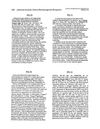
February 1996 in “Clinical Pharmacology & Therapeutics” Scale created to measure hair loss in men and women; MK-386 reduces acne; Niaspan treats dyslipidemia; minoxidil increases heart rate.
 5 citations
,
October 2013 in “Experimental Dermatology”
5 citations
,
October 2013 in “Experimental Dermatology” This study observed that putrescine and HR form a negative feedback mechanism affecting hair cycling, indicating a significant connection between HR, polyamines, and hair growth regulation.
 6 citations
,
July 2009 in “Biomolecules & therapeutics”
6 citations
,
July 2009 in “Biomolecules & therapeutics” This study found that combining MSM with MAP significantly enhanced hair growth in mice, comparable to or better than minoxidil, due to increased intradermal retention of MAP.
7 citations
,
September 1991 in “Journal of Andrology” In this study, 4‐MAPC treatment reduced ventral prostate weight in rats primarily through decreased synthetic activity, with testosterone propionate increasing prostate weight and activity at pharmacologic doses.

This study investigates the role of AR up-regulation in the pathogenesis of androgenetic alopecia, but it remains unclear if HSP27 and miR-1 are jointly involved.
 December 2024 in “Turkish Society of Clinical Biochemistry”
 This study found that women with idiopathic hyperandrogenemia had higher urinary Bisphenol A levels compared to healthy controls, suggesting a potential role of this chemical in the condition.
88 citations
,
August 1998 in “Carcinogenesis” This study found that overexpression of ornithine decarboxylase and activated Ha-ras together led to a high rate of tumor development in a mouse model without additional carcinogens.
January 2012 in “CINECA IRIS Institutial Research Information System (University of Genoa)” This study observed fluctuations in hair cortisol levels in rabbits, indicating their HPA axis activity responded similarly to surgical and environmental stressors, suggesting potential anthropomorphic evaluations of stress.
 May 2012 in “Journal of Clinical Oncology”
 This study found a significant association between male breast cancers and exposure to finasteride and dutasteride, with an estimated additional case per 564 men taking these drugs.