 16 citations
,
March 2009 in “Skin Pharmacology and Physiology”
16 citations
,
March 2009 in “Skin Pharmacology and Physiology” This study found that the penetration enhancer SEPA™ significantly increased both the speed and amount of hair growth from minoxidil in balding stumptail macaques compared to Rogaine®.
 3 citations
,
May 2019 in “Journal of Cosmetic Dermatology”
3 citations
,
May 2019 in “Journal of Cosmetic Dermatology” This study found that a 12-week supplementation with MePL, a solution of miliacin encapsulated within polar lipids, significantly reduced hair density in the telogen phase and improved scalp dryness and hair brightness in women with telogen effluvium.
 26 citations
,
May 2012 in “Pharmaceutical Development and Technology”
26 citations
,
May 2012 in “Pharmaceutical Development and Technology” PEVs effectively deliver minoxidil through skin.
 2 citations
,
September 1980 in “Experientia”
2 citations
,
September 1980 in “Experientia” Polyethylene alanine caused hair loss in young lab animals but not in adults, with hair regrowth occurring within 20 days.
42 citations
,
September 2012 in “PLoS ONE” In this study, bezafibrate treatment improved certain aging-like features in a mouse model with mitochondrial dysfunction, but did not enhance muscle function or lifespan.
 11 citations
,
May 2015 in “Stem Cells Translational Medicine”
11 citations
,
May 2015 in “Stem Cells Translational Medicine” This study found that megestrol acetate increases the proliferation, migration, and adipogenic differentiation of adipose-derived stem cells through glucocorticoid receptor phosphorylation.
6 citations
,
April 2019 in “Advances in Pharmacology and Pharmacy” This study found that methanol extract of Mimosa pudica showed dose-dependent sedative effects in mice, suggesting its potential for developing new sedative and anti-anxiety medications.
 6 citations
,
September 2024 in “BMC Pulmonary Medicine”
6 citations
,
September 2024 in “BMC Pulmonary Medicine” This study demonstrated that CEP may effectively treat pulmonary fibrosis by inhibiting fibroblast activation through regulating macrophage M2 polarization and decreasing fibrosis-associated factors, suggesting a new avenue for future research in this area.
 6 citations
,
February 2025 in “Scientific Reports”
6 citations
,
February 2025 in “Scientific Reports” This study found that MEGA PROTAC improved the prediction of ternary structures with higher maximum DockQ scores compared to the BOTCP method in 16 out of 22 test cases.
52 citations
,
May 2011 in “Journal of Neuroendocrinology” This study found that palmitoylethanolamide may stimulate allopregnanolone synthesis and reduce oxidative stress in astrocytes through PPAR-α activation, suggesting a neuroprotective role.
 July 2022 in “The journal of investigative dermatology/Journal of investigative dermatology”
 This case study reports that a 26-year-old woman with epidermolysis bullosa prurogompsa also presented with unique findings of co-existing muscular dystrophy and immune-based myasthenia gravis, with significant improvement following steroid treatment.
 May 1981 in “Inpharma (Balgowlah)”
 Medroxyprogesterone acetate improved sleep apnea symptoms in some obese patients.
 April 2026 in “bioRxiv (Cold Spring Harbor Laboratory)”
 This study introduced hydrogel microneedles loaded with palladium nanoparticles, which utilize the inherent cytotoxicity of polyethyleneimine to enhance the effectiveness of doxorubicin in treating melanoma, achieving a tumor inhibition rate of up to 98% in a murine model.
7 citations
,
August 1985 in “British journal of dermatology/British journal of dermatology, Supplement” This study found that subcutaneous injection of medroxyprogesterone acetate was more effective than intramuscular or topical treatments in reducing hair diameter for hirsute females.
 5 citations
,
January 1998 in “Journal of Toxicologic Pathology”
5 citations
,
January 1998 in “Journal of Toxicologic Pathology” This study found that topical treatment with Maneb led to delayed epithelial cell degeneration in hair follicles of rats due to apoptosis.
 10 citations
,
September 1997 in “Molecular carcinogenesis”
10 citations
,
September 1997 in “Molecular carcinogenesis” This study found that mirex and TPA promote papilloma formation in CD-1 mouse skin through distinct populations of mutant Ha-ras cells, resulting in additive tumor yields.
January 2025 in “Regenerative Biomaterials” In this study, a cerium-polypeptide hydrogel was found to effectively treat MRSA-infected wounds by promoting faster wound repair and reducing inflammation compared to a standard hydrogel.
This study found that human placental extract significantly improved melasma, chronic ulcers, and alopecia areata without major adverse effects, suggesting its effectiveness and safety for these conditions.
April 2024 in “Medicina Estética Revista Científica de la Sociedad Española de Medicina Estética (SEME)” This study clarifies the fundamental aspects of intradermotherapy or mesotherapy, tracing its historical development and highlighting its benefits as well as the negative consequences of improper use, specifically addressing its decline due to severe side effects from treatment errors.
8 citations
,
June 2024 in “Pharmaceutics” This study found that using elastic nano-liposomes to deliver palmitoylethanolamide improved its transdermal delivery and enhanced its skincare effects, with minimal cytotoxicity and no allergic reactions observed.
April 2023 in “International Journal of Pharmaceutics” In this study, melatonin-loaded Pickering emulsions stabilized by chitosan-dextran sulphate nanoparticles and enhanced with lecithin showed improved photostability, antioxidant activity, and follicular delivery in androgenic alopecia-affected rats, potentially rivaling commercial minoxidil for hair loss treatment.
 7 citations
,
April 2021 in “Journal of advanced pharmaceutical technology & research”
7 citations
,
April 2021 in “Journal of advanced pharmaceutical technology & research” This study reported that compound 16 (olean-12-en-3beta-ol, cinnamate) from Merremia peltata showed potential as an androgen receptor antagonist, suggesting it may benefit alopecia treatment based on molecular docking and ADME-Tox predictions.
4 citations
,
December 2024 in “European Journal of Medicinal Chemistry” This study reported the development of new pyrazole-based MPC inhibitors that effectively inhibit mitochondrial pyruvate transport, showing potential as therapeutic candidates for conditions like metabolic dysfunction-associated steatohepatitis without activating PPARγ.
18 citations
,
February 2024 in “Nutrients” This study investigated a novel extract from pomegranate byproducts, finding it effective in reducing blood pressure and inflammation in hypertensive rats, comparable to Captopril, while also highlighting the extract's potential to enhance the pomegranate supply chain and environmental benefits.
12 citations
,
July 2011 in “Experimental Dermatology” This study found that mEGF ethosomal delivery systems mainly penetrated mice skin through the pilosebaceous unit and successfully induced hair follicles to transition from the telogen to anagen phase.
 14 citations
,
March 2015 in “Clinical and Experimental Dermatology”
14 citations
,
March 2015 in “Clinical and Experimental Dermatology” In this study, human placenta extract was observed to enhance the hair-growth-promoting effects of minoxidil and stimulate earlier and prolonged anagen phases in a mouse model.
2 citations
,
August 2017 in “Experimental Dermatology” This study developed a new melanocyte cultivation medium without chemical mitogens, melanogenesis enhancers, or bovine products, demonstrating successful proliferation and melanotic differentiation of human melanocytes from hair follicles.
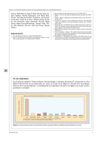
The document corrects a mistake by stating that pimecrolimus, not tacrolimus, is the drug that concentrates in the skin.
 April 2023 in “Tropical Animal Health and Production”
 Giving melatonin to sheep before the non-breeding season can improve their chances of reproducing in northwest Mexico.
 4 citations
,
August 2017 in “International journal of molecular sciences”
4 citations
,
August 2017 in “International journal of molecular sciences” This study observed two cases of pigmented epithelioid melanocytoma suggesting potential differing origins: one from a hair follicle's outer root sheath and another from an intradermal nevus.