June 2026 in “ACS Applied Materials & Interfaces” In this study, carbon dots derived from dandelion herb demonstrated significant antibacterial and biofilm-disrupting capabilities, promoting wound healing in a mouse model infected with S. aureus, while also showing excellent biocompatibility and the ability to modulate reactive oxygen species.
June 2026 in “British Journal of Dermatology” This case report discusses an atypical presentation of bullous pemphigoid in a young man potentially triggered by occupational chemical exposure, highlighting diagnostic challenges and effective treatment with clobetasol propionate and prednisolone, transitioning to mycophenolate mofetil.
 May 2026 in “Frontiers in Cell and Developmental Biology”
 In this study, researchers suggest that hair follicle miniaturization in conditions like androgenetic alopecia may result from impaired conversion of quiescent stem cells to progenitor cells, influenced by the follicular niche, its collagen network, and various mechanical constraints.
 April 2026 in “Cosmetics”
 In this review, several studies on Astragalus species, particularly Astragalus membranaceus, highlight their skin rejuvenating, photoprotective, antimicrobial, and wound-healing properties, though the authors note limitations due to reliance on non-human studies and short trial durations.
 March 2026 in “SKIN The Journal of Cutaneous Medicine”
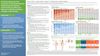
 This study demonstrated that litifilimab significantly reduced disease activity in cutaneous lupus erythematosus by Week 16, with improvements most notable in sunlight-exposed skin areas.
March 2026 in “Journal of the mechanical behavior of biomedical materials/Journal of mechanical behavior of biomedical materials” This study investigated the mechanical response of the human hair cuticle to strain and found that cuticular deformation directly corresponded with fiber elongation, revealing significant molecular-level changes in disulfide crosslinks but maintained structural stability, highlighting the role of the cuticle in stress resistance.
 February 2026 in “PubMed”
 This study compared porcine-derived placental biomaterials with human-derived counterparts in a rat model of skin injuries and found no significant statistical differences in healing outcomes; however, porcine-derived materials showed reduced early inflammation and faster crust formation, suggesting potential advantages in healing effectiveness.

In this study, researchers explored ubiquitination patterns in healthy human skin and CYLD cutaneous syndrome tumors, identifying extensive ubiquitin sites and differential protein ubiquitination linked to tumor pathology, highlighting the role of ubiquitination in tissue architecture and disease mechanisms.
November 2025 in “Journal of Investigative Dermatology” Dark skin has stronger barriers and structure due to specific gene activity.
October 2025 in “Physiologia” In this exploratory in vitro study, treatment with spermidine increased cell viability and altered gene expression in human epidermal keratinocytes, suggesting potential benefits to cellular health and function, though effects on mitochondrial markers were not significant.
September 2025 in “Acta Biomaterialia” In this study, researchers developed injectable micropore-forming hydrogels that enhance tissue adhesion strength and promote wound healing by allowing better cell infiltration and inducing hair follicle regeneration in skin incision wound models.
January 2025 in “Mansoura Medical Journal” In this animal study, researchers observed that both aging and lower androgen levels in male albino rats led to significant structural changes in meibomian glands, including reduced acinar cell size, diminished meibum secretion, and increased collagen deposition.
July 2024 in “International Journal of Molecular Sciences” This study explored the effects of DPP, a 15-PGDH inhibitor, on human follicle dermal papilla cells damaged by dihydrotestosterone and observed that DPP enhanced wound healing, reduced reactive oxygen species, and increased hair growth in ex vivo human hair follicle cultures.
July 2024 in “DOAJ (DOAJ: Directory of Open Access Journals)” This article reviews the effects of vitamins, including A, C, D, E, and B, on animal fur, highlighting their roles in promoting healthy skin and fur condition by regulating cell renewal, metabolism, and collagen synthesis.
 June 2024 in “British Journal of Dermatology”
 In this prospective observational study of 96 dermatomyositis patients, 47 showed scalp involvement, with significant symptoms like scalp inflammation, itching, and hair loss linked to myositis-specific antibodies. The study highlighted unique dermatopathological features in the scalp and emphasized the considerable morbidity caused by scalp dermatomyositis.
 January 2024 in “Research Portal Denmark”
 This study reports the development of an artificial skin membrane incorporating hair follicles, intended as an in vitro model to better estimate drug permeation with less variability than current models used in transdermal drug delivery research.
January 2024 in “Wiadomości Lekarskie” This study highlights the potential of cosmetic products combining fibroblast growth factors and antioxidants like thioproline, ergothioneine, silymarin, and rosmarinic acid, to mitigate skin aging by reducing oxidative stress and enhancing cellular protection in the skin.
 November 2023 in “npj regenerative medicine”
 This study found that engineered reconstituted skin can form morphogenetic units that promote tissue patterning and hair regeneration, with certain signaling pathways restoring this ability in adult and fetal cells.
 September 2023 in “Nature communications”
 This study found that VE-cadherin and Alk1, traditionally linked to vascular functions, also play crucial roles in maintaining nerve homeostasis in mice during hair growth cycles by modulating certain cell populations.
 July 2023 in “Journal of Cosmetic Dermatology”
 This review describes ethosomes as promising nanocarriers for delivering active cosmetic ingredients to the skin, potentially transforming treatments for hair loss, acne, and skin pigmentation.
 January 2023 in “Open Life Sciences”
 This study found that VEGFR-2 activation may play a role in hair follicle differentiation, proliferation, and apoptosis by co-expressing with several key proteins in normal human scalp skin.
 January 2023 in “Records of Pharmaceutical and Biomedical Sciences”
 This review discusses the advantages and properties of mucoadhesive buccal dosage forms and reports no new clinical findings; the authors emphasize the potential of spanlastics as flexible, biodegradable drug carriers.
January 2023 in “Indian Journal of Natural Products and Resources” This study found that the methanolic extract of Suaeda monodiana Maire exhibited antioxidant, antimicrobial, and photoprotective activities, suggesting its potential use in pharmaceutical formulations for treating skin diseases.
 November 2022 in “bioRxiv (Cold Spring Harbor Laboratory)”
 This study found that conditional deletion of Mof in mice resulted in severe defects in skin development, including compromised epidermal differentiation and hair growth, leading to perinatal lethality.
 November 2022 in “Journal of Investigative Dermatology”
 This study observed that bullous pemphigoid was the most common subepidermal blistering disorder in South Indian patients, with specific histopathological and immunofluorescence characteristics detailed.

This case series observed that patients with persistent post-COVID-19 symptoms reported considerable improvement after using icosapent ethyl, suggesting potential therapeutic success warranting further research.
 October 2021 in “Austin journal of biomedical engineering”
 In this study, researchers modified an acellular scaffold with different concentrations of eggshell membrane protein, finding that a 5% concentration effectively enhanced tissue regeneration in mice with excisional wounds, achieving complete healing within 14 days without causing immunogenicity or inflammation.
This study found that chronic UVR exposure in mice and humans leads to a permanent loss of papillary fibroblasts in the upper dermis, which is associated with changes in the extracellular matrix.
 April 2021 in “Animal Bioscience”
 This study found that 5-aminolevulinic acid significantly improved chicken sperm motility and increased mitochondrial membrane depolarization, while decreasing ATP levels.
 May 2020 in “Research Square (Research Square)”
 This study suggested that non-colony dissociated hiPSCs can be effectively differentiated into functional RPE cells, and hiPSC-RPE cell spheroids showed promise for use in subretinal transplantation in animal models of retinal degeneration.