3 citations
,
March 2024 in “arXiv (Cornell University)” This study describes an AI-powered system for diagnosing dermatological conditions, achieving a weighted score of 0.87 in both contextual understanding and diagnostic accuracy, suggesting it could enhance tele-dermatology applications by supporting remote consultations and care access in underserved regions.
January 2021 in “대한미용학회지” In this study, Boswellia administration improved symptoms of DNCB-induced dermatitis in mice and altered hair-related gene expressions, which might positively affect hair cycle disturbances caused by dermatitis.
 5 citations
,
August 2020 in “Stem Cell Research & Therapy”
5 citations
,
August 2020 in “Stem Cell Research & Therapy” This study found that combining adipose-derived mesenchymal stromal cells with meglumine antimoniate reduced lesion size and parasite load in mice with leishmaniasis, suggesting potential for improved treatment.
 May 2014 in “La Revue de médecine interne”
 This article reviews the specific cosmetology needs and practices related to black skin, identifying associated complications, and emphasizes the need for a robust cosmetovigilance policy but reports no new clinical findings.

This manual reviews common pediatric and adolescent skin issues with visual and practical guidance for clinicians, but it presents no new research findings.
 August 2018 in “Journal of the American Academy of Dermatology”
 Reflectance confocal microscopy helped diagnose and manage a woman's hair loss without needing a biopsy.
 July 2023 in “Clinical, cosmetic and investigational dermatology”
 In this study, reflectance confocal microscopy was used to diagnose periorificial dermatitis, revealing specific skin changes such as hair follicle dilatation, increased vascular density, and inflammation, which help distinguish it from similar conditions.
33 citations
,
December 2015 in “International Journal of Molecular Sciences” This review discusses recent research on melanocyte stem cells and explores the differences between mouse and human skin, but it reports no new clinical results.
January 2012 in “Medizinisch Wissenschaftliche Verlagsgesellschaft eBooks” This publication overview describes MWV's offerings in medical and healthcare literature but presents no new research findings.
February 2026 in “ACS Applied Materials & Interfaces” This study developed a novel treatment method using carbon dots from Cinnamomum burmannii leaves, which improved hair regeneration and thickness in an AGA mouse model by promoting cell proliferation, angiogenesis, and reducing inflammation through multiple signaling pathways.
 59 citations
,
April 2016 in “Cell Reports”
59 citations
,
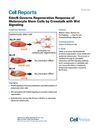
April 2016 in “Cell Reports” This study demonstrated that EdnrB signaling promotes melanocyte stem cell proliferation and differentiation, enhancing hair and epidermal melanocyte regeneration, especially under conditions of active Wnt signaling.
 January 2025 in “JAAD International”
 This randomized, controlled clinical trial found that combining 25 mg/d bicalutamide with 1 mg/d minoxidil for 24 weeks did not enhance hair density improvement in female pattern hair loss compared to 1 mg/d minoxidil alone, with no significant difference observed between the groups.
 28 citations
,
February 2014 in “Journal of Telemedicine and Telecare”
28 citations
,
February 2014 in “Journal of Telemedicine and Telecare” Smartphone-based teledermatology is effective for diagnosing skin diseases in the military with good accuracy.
July 2024 in “International Journal of Molecular Sciences” This article proposes using the hallmarks of ageing and dysregulated microRNAs to create a molecular morbidity score that could improve prognostication and clinical trial inclusion for patients with multimorbidity.
9 citations
,
April 2025 in “Stem Cell Research & Therapy” This review suggests that MSC-derived conditioned media hold promise in dermatology, with studies indicating enhanced therapeutic effects when used alongside treatments like laser therapy and microneedling, leading to improved dermatological outcomes.
March 2005 in “Journal of the American Academy of Dermatology” Recognizing minor skin lesions can help identify serious cancer syndromes.
 September 2023 in “bioRxiv (Cold Spring Harbor Laboratory)”
 This study describes the use of a genetically engineered mouse model, mTurquoise2-Col4a1, to fluorescently label collagen IV and observe basement membrane dynamics during skin development, revealing its stability and pliability during rapid growth phases.
6 citations
,
October 2001 in “British Journal of Ophthalmology” This article discusses the potential of intralesional cidofovir for treating SCC without systemic toxicity, noting that surgical excision remains the best treatment option; it reports no new clinical results.
2 citations
,
February 2023 in “Anais Brasileiros de Dermatologia” April 2020 in “DOAJ (DOAJ: Directory of Open Access Journals)” This study established a mouse model of atopic dermatitis with overgrowth of Malassezia globosa using olive oil as a vehicle, which caused severe lesions and hair follicle damage.
 4 citations
,
October 2011 in “International Journal of Dermatology”
4 citations
,
October 2011 in “International Journal of Dermatology” Bardet-Biedl syndrome may include under-recognized skin problems related to its metabolic disturbances.
July 2019 in “Tumor Biology” In this study, researchers found that bone marrow-derived epithelial cells significantly contribute to the development of cutaneous tumors and dysplastic ulcers in mice, indicating a potential systemic role in skin cancer development.
7 citations
,
July 2013 in “Acta Biochimica Polonica” In this study, researchers found that cyclophosphamide treatment unexpectedly reduced splenic melanin deposition in a murine model, whereas this effect was down-regulated more by the normal and dystrophic catagen phase of the hair cycle.
6 citations
,
March 2018 in “The American journal of dermatopathology/American journal of dermatopathology” This study found that immunohistochemistry can effectively distinguish between tricholemmoma and basal cell carcinoma, with BerEP4 and CD34 serving as key differentiators.
January 2020 in “Proyecto de investigación:” This study found a significant association between AGDAC measurements and the presence of PCOS, suggesting it could be an effective clinical tool in diagnosing the condition and its phenotypes, especially when combined with AMH.
 17 citations
,
November 2017 in “PLoS ONE”
17 citations
,
November 2017 in “PLoS ONE” This study observed dynamic behaviors such as cluster formation, migration, and active proliferation of transplanted bone marrow cells in a mouse model, providing insight into cellular-level changes post-transplantation.
 April 2019 in “The journal of investigative dermatology/Journal of investigative dermatology”
 In this study, the researchers observed significant metabolic dysregulation in central centrifugal cicatricial alopecia, particularly involving lipid metabolism and the downregulation of AMPK-related genes.
 April 2017 in “Journal of Dermatological Science”
 This study found that B cells have dual roles in tumor immunity, with regulatory B cells potentially hindering immune responses against tumors in the melanoma mouse model.
25 citations
,
November 2015 in “Journal of Dermatological Science” In this study, researchers identified the antimicrobial peptide dermcidin in sebocyte lipid droplets, challenging the previous understanding of dermcidin as exclusively sweat-specific.
1 citations
,
May 2024 in “Journal of Dermatological Science” In this study, KC-AD-MSCs were found to increase COL7 deposition and anchoring fibril formation at the dermal-epidermal junction in a RDEB mouse model, suggesting potential for improving skin integrity in recessive dystrophic epidermolysis bullosa patients.