 25 citations
,
April 2012 in “Acta Biomaterialia”
25 citations
,
April 2012 in “Acta Biomaterialia” This study observed that NSPC predominantly differentiated into neurons when exposed to serum fractions with molecules under 100 kDa, particularly with biomaterial and fibronectin, in the presence of basic fibroblast growth factor.
 April 2019 in “Journal of Investigative Dermatology”
 This study identifies a mechanism where dsRNA activates TLR3 to induce RA production, promoting hair follicle regeneration in mice and suggesting a potential role in human tissue regeneration.
 6 citations
,
July 2009 in “Biomolecules & therapeutics”
6 citations
,
July 2009 in “Biomolecules & therapeutics” This study found that combining MSM with MAP significantly enhanced hair growth in mice, comparable to or better than minoxidil, due to increased intradermal retention of MAP.
 September 2024 in “Advanced Biomedical Research”
 In this study, chick embryo extract enhanced neuronal differentiation and trophic factor expression in rat hair follicle stem cells, suggesting potential improvements for stem cell therapies in neurodegenerative diseases.
 1 citations
,
March 2024 in “Skin research and technology”
1 citations
,
March 2024 in “Skin research and technology” In this study, a modified Xception deep learning model achieved a 92% accuracy rate in diagnosing hair and scalp disorders, significantly outperforming other models, suggesting AI could improve dermatological diagnostics' accuracy and accessibility.
38 citations
,
December 2006 in “Journal of Investigative Dermatology” Keratin patterns in hair follicles help understand hair growth and potential hair and nail disorders.
 December 2012 in “Journal of Dermatological Science”
 This study found that activating Wnt/beta-catenin signaling in hair follicles is sufficient to induce adipocyte generation in the dermis, affecting both hair follicle stem cell activation and adipocyte differentiation.
 November 2025 in “Stem Cell Reviews and Reports”
 The error in figures didn't affect the study's results or conclusions.
 15 citations
,
June 2015 in “Human Cell”
15 citations
,
June 2015 in “Human Cell” This study found that forming spheroids using silicone micro-wells improved the viability and neural differentiation potential of human adipose-derived stem cells after thawing.
 10 citations
,
January 2013 in “Stem Cells and Development”
10 citations
,
January 2013 in “Stem Cells and Development” This study suggests that dermal stem/progenitor cells can be enriched by intracellular granularity and display high proliferation and differentiation potential in vitro, distinguishing them from other fibroblasts and progenitors.
 133 citations
,
May 2016 in “Cell Host & Microbe”
133 citations
,
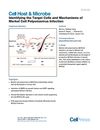
May 2016 in “Cell Host & Microbe” In this study, human dermal fibroblasts were identified as natural host cells that support productive Merkel cell polyomavirus infection, and the MEK antagonist trametinib was introduced as an effective inhibitor to control the virus.
 118 citations
,
October 2013 in “Trends in Genetics”
118 citations
,
October 2013 in “Trends in Genetics” The AUTS2 gene is linked to neurological disorders and may affect human brain development and cognition.
 76 citations
,
August 2018 in “International Journal of Cosmetic Science”
76 citations
,
August 2018 in “International Journal of Cosmetic Science” This review discusses the use of Dermal Papilla cells as in vitro models for studying hair growth modulators, emphasizing their role in aiding the development of new hair treatments, but reports no new clinical results.
 76 citations
,
April 2013 in “PLoS ONE”
76 citations
,
April 2013 in “PLoS ONE” The researchers reported that reactive oxygen species regulate the stress-induced SP-Mast cell pathway, which might support using antioxidants to treat stress-related hair loss.
 21 citations
,
June 2016 in “Genesis”
21 citations
,
June 2016 in “Genesis” This study identified a gene expression signature in mouse embryonic dermal fibroblasts that depends on Wnt/β-catenin activity, potentially influencing dermal fibroblast identity and function.
 13 citations
,
September 2024 in “Frontiers in Pharmacology”
13 citations
,
September 2024 in “Frontiers in Pharmacology” This review highlighted the pharmacological potential of Mor, noting its protective effects on the kidneys, liver, bones, nervous system, heart, digestive system, skin, and lungs, as well as its anti-obesity and anti-inflammatory properties, revealing areas for future research.
 11 citations
,
June 2012 in “Journal of Dermatological Science”
11 citations
,
June 2012 in “Journal of Dermatological Science” This article reviews how aging affects skin and stem cells, but it contains no new research findings.
 9 citations
,
May 2021 in “Immunological Reviews”
9 citations
,
May 2021 in “Immunological Reviews” This review discusses the role of fibroblast heterogeneity in kidney pathology, particularly their contribution to tertiary lymphoid tissue formation, and reports no new results.
 6 citations
,
May 2022 in “Aging”
6 citations
,
May 2022 in “Aging” This study found that Si Jun Zi Tang may have anti-aging effects in mice, linked to inhibition of the PI3K-AKT and P38 MAPK signaling pathways.
 6 citations
,
September 2020 in “Advanced Biology”
6 citations
,
September 2020 in “Advanced Biology” This study found that using the OptoTrkA system to control TrkA activity with blue light enhanced proliferation, migration, and differentiation of hair-follicle-derived stem cells into neuronal and glial cells.
 4 citations
,
February 2025 in “GeroScience”
4 citations
,
February 2025 in “GeroScience” This study found that restoring hypothalamic NPY levels in mice delayed aging-related characteristics such as fat loss, hair loss, and memory decline, suggesting that maintaining these levels could be important for counteracting aging and its effects.
 4 citations
,
January 2025 in “Translational Psychiatry”
4 citations
,
January 2025 in “Translational Psychiatry” In this study, remote photobiomodulation therapy to the lungs improved behavioral and neurological outcomes in rats with repeated closed-head injuries, suggesting potential preventive benefits for brain health.
 2 citations
,
January 2025 in “Pharmaceutical Research”
2 citations
,
January 2025 in “Pharmaceutical Research” This article reviews the possible therapeutic activities of Angelica gigas Nakai root extracts and their components, noting their potential effects on neuro-cognitive, metabolic, and other health conditions, and reports no new clinical results.
 1 citations
,
May 2025 in “Animal Bioscience”
1 citations
,
May 2025 in “Animal Bioscience” This study explored the spatial variation of THFD in cashmere goats and identified four genes associated with it, offering insights that could aid in the development of THFD genes for these animals.
 1 citations
,
November 2015
1 citations
,
November 2015 This study observed that human dental pulp stem cells can differentiate into adipocytes and osteocytes, but their potential for neural differentiation remains uncertain due to similar responses seen in undifferentiated cells.

This study utilized a mouse model of traumatic brain injury to reveal that acute neurotrauma triggers widespread lipid metabolism reprogramming and storage lipid accumulation in microglial and monocyte populations, leading to lysosomal dysfunction, inhibited autophagy, and exacerbated inflammation through a pathological feedback loop.
 August 2023 in “Scientific reports”
 In this study, researchers differentiated human induced pluripotent stem cells into dermal papilla-like cells and observed gene expression dynamics during five stages of dermal differentiation, demonstrating the potential of these cells to interact with epidermal cells in functional assays.
 June 2023 in “Journal of Ayurvedic and herbal medicine”
 This review article highlights the potential health benefits and pharmaceutical components of pumpkin seeds, which contain proteins, antioxidants, and essential nutrients, and discusses their traditional medicinal uses and emerging applications in the food industry.
 April 2023 in “bioRxiv (Cold Spring Harbor Laboratory)”
 This study identifies key transcriptomic features and a necessary dermal niche for eccrine gland development, advancing potential regenerative approaches for these vital skin appendages.
 September 2022 in “Research Square (Research Square)”
 This study found that overexpressing Rps14 in supporting cells promoted hair cell regeneration in the organ of Corti by facilitating cell proliferation and differentiation.