 March 2024 in “Journal of cosmetic dermatology”
 This study found that platelet-rich plasma may be more effective and satisfactory than topical clobetasol for treating lichen planopilaris over six months.
 1 citations
,
March 2022 in “bioRxiv (Cold Spring Harbor Laboratory)”
1 citations
,
March 2022 in “bioRxiv (Cold Spring Harbor Laboratory)” This study examined wool traits in Angora rabbits using low-coverage whole genome sequencing, identifying six QTLs and a gene, FGF10, linked to fiber growth and diameter, suggesting a cost-effective approach for complex trait analysis in genomic breeding.
1 citations
,
February 2025 in “International Journal of Dermatology” This case report by the researchers observed a complete remission of lichen planopilaris in a 58-year-old woman after treatment with the JAK-1 inhibitor abrocitinib, although they noted that concurrent topical therapy might have contributed to this outcome.
421 citations
,
September 2003 in “Development” This study concluded that label-retaining cells in mouse epidermis differ in their sensitivity to proliferative stimuli, influencing their division and potential transdifferentiation without consistently depleting their population.
91 citations
,
August 2019 in “Frontiers in Microbiology” This study found that the RpoN/RpoS pathway regulates gene expression in Borrelia burgdorferi, influencing its ability to persist in mammals and adapt to different hosts.
6 citations
,
March 1996 in “Journal of Investigative Dermatology” This study used whole-genome resequencing to analyze genetic diversity and selection in 17 rabbit breeds, identifying genes linked to traits like coat color and body size, which could inform breeding and conservation efforts.
3 citations
,
December 2023 in “International Journal of Nanomedicine” Repaglinide-loaded liponiosomal hybrids improve blood sugar control and insulin release better than regular Repaglinide.
3 citations
,
January 2016 in “Dermatology online journal” This review discusses the potential relationship between lichen planus pigmentosus and frontal fibrosing alopecia, presenting a case study but reporting no new clinical findings.
 December 2025 in “Portuguese Journal of Dermatology and Venereology”
 In this study, researchers conducted a retrospective analysis of 16 cases of erosive palmoplantar lichen planus in North East India, finding a higher prevalence in pediatric and male patients, with common clinical features including plantar involvement and histopathological indicators such as basal cell degeneration.
 April 2012 in “Informa Healthcare eBooks”
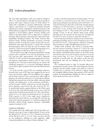
 Lichen planopilaris is a rare, chronic condition causing hair loss, mainly in middle-aged women, and early treatment is important to prevent permanent baldness.
January 2026 in “Animal Genetics” This study investigated a Labrador Retriever with paw pad hyperkeratosis and identified a unique de novo heterozygous missense variant in the GJB6 gene, suggesting its potential role in the condition, analogous to Clouston syndrome in humans, although differences between species may provide further insights.
 January 2017 in “Postepy Dermatologii I Alergologii”
 This study investigates the potential role of the corticotropin-releasing hormone system in the pathogenesis of lichen planus but does not report new clinical results, emphasizing the need for further exploration.
 1 citations
,
September 2021 in “Cureus”
1 citations
,
September 2021 in “Cureus” This study found that the rs1128977 SNP in the RXRG gene may be linked to altered clinical characteristics such as higher HDL-cholesterol levels and increased body mass index in individuals with dyslipidemia.
July 2017 in “OPAL (Open@LaTrobe) (La Trobe University)” In this study, researchers investigated the role of the ATX-LPA axis in asthma pathogenesis using human and mouse models and highlighted the potential for developing new ATX inhibitors as effective asthma treatments.
 33 citations
,
February 2016 in “Journal of Experimental Botany”
33 citations
,
February 2016 in “Journal of Experimental Botany” This study found that the receptor kinase RHS10 negatively regulates root hair growth in Arabidopsis thaliana by modulating growth duration and is associated with cell wall signal mediation, involving RNA catabolism and ROS accumulation.
 April 2023 in “Journal of Investigative Dermatology”
 This study found that NIMP-R14-conjugated nanoparticles, loaded with roflumilast, effectively targeted neutrophils to reduce inflammation and improve symptoms in a mouse model of psoriasiform dermatitis, suggesting potential for targeted therapy in autoimmune skin diseases.
 April 2023 in “IP Indian journal of clinical and experimental dermatology”
 This article reviews the pathogenesis, complications, and management of lichen planus, especially its persistent oral form, and highlights the need for further prospective studies.
7 citations
,
March 2001 in “Journal of the European Academy of Dermatology and Venereology” This case report highlights the complexity of lupus erythematosus/lichen planus overlap syndrome, noting a high potential for progression to systemic lupus erythematosus.
19 citations
,
May 2018 in “Molecular Medicine Reports” This study found that miR-339-5p negatively regulates loureirin A-induced differentiation of hair follicle stem cells, potentially impacting skin repair and regeneration by inhibiting the Wnt/β-catenin signaling pathway.
 May 2026 in “Discover Oncology”
 This review discusses the role of LGR4 in tumors, highlighting its involvement in cancer progression, metastasis, and chemotherapy resistance, as well as its regulatory effects on tumor stem cell self-renewal and stem cell characteristics, based on multiple recent studies.
 April 2023 in “The journal of investigative dermatology/Journal of investigative dermatology”
 This study suggests that the expression and localization of toll-like receptors and caveolin-1 in lichen planopilaris may influence cicatricial alopecia pathobiology and that downregulating caveolae could offer a novel management strategy.
5 citations
,
May 2022 in “Diagnostics” This study found that certain lncRNA gene polymorphisms in HOTAIR and MALAT1 are associated with increased susceptibility to systemic lupus erythematosus, potentially informing clinical applications.
44 citations
,
June 2017 in “The EMBO Journal” This study reports that the autotaxin–LPA–LPA3 signaling pathway at the embryo-epithelial boundary plays a critical role in decidualization by up-regulating HB-EGF and COX-2 in the uterine epithelium.
7 citations
,
September 2024 in “PLANT PHYSIOLOGY” This study in Arabidopsis thaliana found that exposure to volatile compounds from Penicillium aurantiogriseum promotes root hair growth through signaling involving RALF22, ethylene, auxin, and photosynthesis, and that RALF22 plays a crucial role in the plants' response to these compounds.
 November 2022 in “Journal of Investigative Dermatology”
 This study identified 15 Iranian patients with PLEC variants linked to various plectinopathies and highlighted a novel association between a homozygous nonsense variant in PLEC and a rare combination of disorders including EB pruriginosa, muscular dystrophy, and congenital myasthenic syndrome.
172 citations
,
March 2019 in “The EMBO Journal” This study found that in Arabidopsis thaliana, the interaction between extracellular leucine-rich repeat extensins and the receptor-like kinase FERONIA helps control vacuolar expansion, crucial for cellular elongation.
 May 2025 in “International Medical Case Reports Journal”
 This case report highlights lichen planus pigmentosus in a 60-year-old man, which was linked to previously undetected hepatitis C infection and liver cirrhosis, suggesting a need for hepatitis C testing in patients with similar dermatological manifestations.
82 citations
,
July 2012 in “Brain pathology” This study found that LGR5 may play a significant role in maintaining brain cancer stem-like cells and is associated with glioma progression and poor outcomes.
 27 citations
,
August 2018 in “Frontiers in Plant Science”
27 citations
,
August 2018 in “Frontiers in Plant Science” This study found that root hair growth is influenced by a complex interplay of auxin, inorganic phosphate, and transcription factors RSL2/RSL4, with reactive oxygen species playing a key role in this regulation.