
In this case report, a 65-year-old woman with lichen planopilaris achieved stabilization of her condition through early recognition and systemic corticosteroid therapy, emphasizing the critical role of coordinated management between primary care and dermatology.
10 citations
,
October 2009 in “Photomedicine and laser surgery” This study found that intense pulsed light treatment achieved a mean of 85% hair reduction in two patients with faun tail, although local anesthesia may be needed due to severe pain associated with neurological abnormalities.
 16 citations
,
June 2015 in “Pediatric dermatology”
16 citations
,
June 2015 in “Pediatric dermatology” This review discusses lichen planopilaris in children and highlights its rarity, potential for misdiagnosis, and need for suspicion in atypical or treatment-resistant alopecia cases, but reports no new results.
 26 citations
,
April 1999 in “Dermatologic Clinics”
26 citations
,
April 1999 in “Dermatologic Clinics” This article reviews the basics of hair follicle biology, laser/tissue interactions, and hirsutism and hypertrichosis causes, discussing the long-pulsed alexandrite laser's role in hair reduction without reporting new clinical results.
This report presents a rare case of lichen spinulosus in a 52-year-old woman, featuring hyperkeratotic follicular papules and a dense lymphohistiocytic infiltrate in affected skin areas.
1 citations
,
August 1983 in “PubMed” This study reported that VCP combination chemotherapy achieved a complete response in 53% of advanced non-Hodgkin's lymphoma patients, although more intensive treatment may be needed for improved outcomes.
 7 citations
,
September 2018 in “Journal of cosmetic dermatology”
7 citations
,
September 2018 in “Journal of cosmetic dermatology” This case report describes a patient who developed acute, painful lymphadenopathy after microneedling with platelet-rich plasma, suggesting a need to include this potential risk in patient consent forms and education.
 April 2019 in “Journal of Investigative Dermatology”
 This study reported that in mycosis fungoides and Sezary syndrome, there is male predominance and younger age of presentation in early-stage disease, with significant data collection efforts supporting biomarker identification.
 1 citations
,
November 2023 in “Curēus”
1 citations
,
November 2023 in “Curēus” This case report describes a young male with trachyonychia with associated hypertrophic cutaneous lichen planus, reticular oral lichen planus, and nail lichen planus. The diagnosis was aided by dermoscopy and histopathology, highlighting the importance of accurate diagnosis for effective treatment and prognosis.
 October 2023 in “Pathology”
 In this study, the authors observed that a 48-year-old woman developed a cutaneous pseudolymphoma in the earlobes linked to metallic debris from ear piercing, which histologically mimicked lymphoma but was interpreted as a reactive condition.
 9 citations
,
May 1989 in “Journal of the Royal Society of Medicine”
9 citations
,
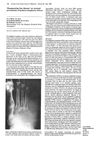
May 1989 in “Journal of the Royal Society of Medicine” An elderly woman's swollen, painful foot was found to be caused by a rare type of bone lymphoma, which improved with radiation treatment.

In this case report, researchers describe a 22-year-old male with a unique presentation of Senior-Løken Syndrome due to a NPHP4 mutation, exhibiting atypical symptoms like cryptorchidism, alopecia, and potential syndromic overlap with Rothmund-Thomson Syndrome, suggesting complex genetic interactions and expanding the phenotypic spectrum of ciliopathies.
12 citations
,
March 2012 in “JEADV. Journal of the European Academy of Dermatology and Venereology/Journal of the European Academy of Dermatology and Venereology” This study observed that some patients with homozygous c.736T>A mutation in LIPH may have mild hypotrichosis with long hairs in adulthood.
8 citations
,
January 1977 in “Acta Haematologica” This study found that the PVP protocol, combining Peptichemio, vincristine, and 6-methylprednisolone, resulted in remission for diffuse non-Hodgkin's lymphomas with moderate side effects.
 1 citations
,
May 2024 in “Cureus”
1 citations
,
May 2024 in “Cureus” This case series describes five patients with rare facial lichen planopilaris, detailing the clinical presentation and treatment of their pigmentary changes and scarring alopecia.
14 citations
,
August 2020 in “Journal of cosmetic dermatology” This consensus report provides detailed recommendations for using Polynucleotides Highly Purified Technology™ in aesthetic skin rejuvenation, highlighting its potential as a biostimulatory booster for face and body revitalization.
July 2025 in “Journal of Investigative Dermatology” Scarring alopecia involves increased immune cells and specific gene changes near damaged hair follicles.
 August 2026 in “Cell Communication and Signaling”
 This study found that intravenous administration of a shark-derived receptor antibody, 3P17, promoted hair growth in mice by increasing hair matrix cell proliferation and activating leptin-STAT3 signaling, with transdermal leptin delivery enhancing this effect through improved skin penetration.
 291 citations
,
January 2014 in “The Scientific World Journal”
291 citations
,
January 2014 in “The Scientific World Journal” Lichen Planus is a less common condition affecting skin and mucous membranes, with various types and associated risk factors, challenging to diagnose, significantly impacts life quality, and may have a risk of cancerous changes in oral lesions.
 14 citations
,
May 2018 in “Journal of the American Academy of Dermatology”
14 citations
,
May 2018 in “Journal of the American Academy of Dermatology” This paper reviews treatments for lichen planopilaris, including low-level laser therapy, but reports no new clinical results and highlights the need for further research.
 5 citations
,
December 2016 in “Journal of skin and stem cell”
5 citations
,
December 2016 in “Journal of skin and stem cell” This study found that patients with cutaneous lichen planus had a higher risk of metabolic syndrome, dyslipidemia, diabetes mellitus, and hypertension compared to controls.
 8 citations
,
February 2005 in “British Journal of Haematology”
8 citations
,
February 2005 in “British Journal of Haematology” This report describes a case of a man developing hair changes, including Beau's lines and Pohl-Pinkus constrictions, following ABVD chemotherapy.
 January 2025 in “Recent Patents on Anti-Cancer Drug Discovery”
 In this study, neoadjuvant treatment with durvalumab combined with albumin-bound paclitaxel and carboplatin in patients with driver gene-negative stage III NSCLC showed a 65% objective response rate and was associated with high pathological response rates and improved immune function, with most adverse events being mild.
June 2026 in “Journal of Cosmetic Dermatology” PDRN may help with female hair loss, but more research is needed.
 15 citations
,
January 2020 in “RSC advances”
15 citations
,
January 2020 in “RSC advances” In this study, researchers developed a new Supported Ionic Liquid Phase palladium catalyst that showed effectiveness in aminocarbonylation reactions for synthesizing pharmaceutical compounds like CX-546 and a precursor of Finasteride, though results were sensitive to substrate variations and prompted palladium leaching concerns.
 9 citations
,
January 2018 in “Plastic and Reconstructive Surgery – Global Open”
9 citations
,
January 2018 in “Plastic and Reconstructive Surgery – Global Open” Using PDRN injections and RF treatments improved revision nose surgery results without major side effects.
In this study, Norwegian researchers followed over 350 patients with porphyria cutanea tarda for an average of 7 years and found that 25% experienced biochemical relapse, suggesting the importance of routine follow-up for early detection and management.
January 2012 in “RepositóriUM (Universidade do Minho)” This study reported that a modified nanoprecipitation protocol can effectively create PLA nanoparticles capable of delivering compounds into hair follicles, with promising potential for hair follicle therapy and cosmetic applications.

This study found that CPA-loaded nanoparticles, particularly SLN formulations, increased CPA epidermal penetration compared to a conventional cream and may reduce side effects in treating androgen-dependent conditions.
 June 2025 in “International Journal of Nephrology and Renovascular Disease”
 This study suggests that PLA2R1 overexpression in PMN affects the podocyte cycle and may involve an additional immune response, which could provide new directions for PMN treatment development.