 January 2025 in “Universidad de Córdoba Insitutional Repository (Universidad de Córdoba)”
 In this study, researchers observed that individuals with alopecia areata exhibited significant changes in scalp microbiota diversity and composition, which were linked to disease severity and inflammation markers, though it remains unclear if these microbial shifts are a cause or a result of hair loss.
 March 2026 in “SKIN The Journal of Cutaneous Medicine”
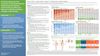
 This study demonstrated that litifilimab significantly reduced disease activity in cutaneous lupus erythematosus by Week 16, with improvements most notable in sunlight-exposed skin areas.
August 2025 in “BMC Pharmacology and Toxicology” The LTF gene may help predict and manage nonspecific orbital inflammation.
 2 citations
,
June 2024 in “Frontiers in Plant Science”
2 citations
,
June 2024 in “Frontiers in Plant Science” This study found that RALF peptides, through liquid-liquid phase separation, form condensates with pectin and other proteins, playing a pivotal role in plant development and stress response regulation.
August 2026 in “Canadian Journal of Health Technologies” This study found that Litfulo improved hair regrowth in patients aged 12 and older with severe alopecia areata but did not meaningfully improve anxiety or depression symptoms compared to placebo.
10 citations
,
May 2020 in “Dermatologic therapy” In this study, a patient with recalcitrant lichen planopilaris and frontal fibrosing alopecia showed significant improvement after receiving four doses of the interleukin-23 monoclonal antibody tildrakizumab.
7 citations
,
March 2023 in “The Journal of Biochemistry” This study suggests that LONRF1 may play a vital role in linking oxidative damage responses and tissue remodeling during wound healing, with distinct mechanisms in senescent and non-senescent cells.
11 citations
,
September 2023 in “Nature Communications” In this study, researchers found that the cell surface protein Lrig1 plays a crucial role in regulating the suppressive function of regulatory T cells, suggesting it as a potential target for treating autoimmune diseases, as evidenced by experiments in mouse models.
36 citations
,
March 2014 in “Annals of the Rheumatic Diseases” This study found that activating liver X receptors with an agonist reduced skin fibrosis in experimental models, particularly in inflammation-driven conditions, by inhibiting macrophage infiltration and interleukin-6 release.
 5 citations
,
July 2023 in “International Journal of Women’s Dermatology”
5 citations
,
July 2023 in “International Journal of Women’s Dermatology” This study reports that anifrolumab showed promising improvement in a case of refractory discoid lupus erythematosus, specifically enhancing skin lesions and promoting hair regrowth, suggesting potential as an effective therapy for severe cases.
This case report describes how anifrolumab, used beyond trial-eligible populations, led to significant clinical and serological recovery in a 45-year-old woman with organ-threatening systemic lupus erythematosus complicated by infection and resistant to conventional treatments like cyclophosphamide and rituximab.
40 citations
,
July 2015 in “Kidney International” This study found that blocking interleukin-3 improved lupus nephritis symptoms in MRL/Ipr mice, suggesting IL-3 may play a role in the disease's progression.
 September 2023 in “Medicina Estética Revista Científica de la Sociedad Española de Medicina Estética (SEME)”
 This research reported that the FDA approved Litfulo® (ritlecitinib) as the first oral treatment for severe alopecia areata in adolescents over 12 years old, with 23% of treated patients showing significant hair regrowth in clinical trials compared to 1.6% with placebo.
 November 2023 in “International Journal of Pharmaceutics”
 This study reported that a novel ionic liquid delivery system combining ferulic acid and finasteride enhanced the solubility, skin permeation, and effectiveness in promoting hair regrowth in androgenetic alopecia mice, suggesting an improved topical treatment approach.
 206 citations
,
September 2010 in “PLoS ONE”
206 citations
,
September 2010 in “PLoS ONE” This study found that using a Picosecond IR Laser (PIRL) on mouse skin led to less tissue damage and scarring compared to conventional surgical lasers and tools.
6 citations
,
December 2021 in “Journal of Clinical Medicine” This study introduced the Lichen Planus Activity and Damage Index (LiPADI), which effectively assesses the severity and progression of lichen planus, aligning well with other clinical indicators.
 84 citations
,
August 2023 in “Drugs”
84 citations
,
August 2023 in “Drugs” This article describes the development milestones and recent approvals of ritlecitinib for treating severe alopecia areata, with approvals in the USA and Japan and ongoing regulatory reviews in other regions.
1 citations
,
August 2021 in “Journal of Investigative Dermatology” ASLAN004 was safe and well-tolerated, supporting further development for treating certain diseases.
 1 citations
,
May 2025 in “The Journal of Rheumatology”
1 citations
,
May 2025 in “The Journal of Rheumatology” In this case report, treatment with anifrolumab led to significant improvement in symptoms for a 52-year-old woman with refractory systemic lupus erythematosus, including resolution of chronic lupus headaches resistant to previous therapies.
 February 2009 in “Journal of The American Academy of Dermatology”
 This study suggests that fractional infrared technology may effectively improve cervical skin laxity by enhancing dermal thickness without adverse effects in a small pilot group.
This study explored the experiences of systemic lupus erythematosus patients receiving Anifrolumab, revealing improvements in self-reported symptoms and daily life impacts alongside decreased disease activity and lowered corticosteroid use.
19 citations
,
May 2018 in “Molecular Medicine Reports” This study found that miR-339-5p negatively regulates loureirin A-induced differentiation of hair follicle stem cells, potentially impacting skin repair and regeneration by inhibiting the Wnt/β-catenin signaling pathway.
 May 2024 in “Journal of Cosmetic and Laser Therapy”
 This study found that three sessions of injectable platelet-rich fibrin (i-PRF+) significantly improved hair follicle density, hair volume, and thickness, as well as patient satisfaction in women with female pattern hair loss, with only minor self-limited adverse effects reported.
February 2026 in “Small Ruminant Research” This study found that specific genetic variations in the IRF2BP2 gene influence fleece structure in sheep, with one variant completely determining coat type and another significantly modifying fiber characteristics, providing valuable insights for improving fleece quality through selective breeding.
This study found that home use of low-level light therapy reduced inflammation and symptoms like itching and burning in women with frontal fibrosing alopecia over six months.
This study found that WISP-1 plays a key role in ligamentum flavum fibrosis through the Hedgehog-Gli1 pathway, with cyclopamine showing potential to reduce fibrosis effects in a rabbit model.
 August 2016 in “Journal of Investigative Dermatology”
 This case report identifies a novel LIPH gene mutation linked to autosomal recessive woolly hair/hypotrichosis in a Japanese boy, expanding the spectrum of known mutations associated with this condition.
 1 citations
,
January 2021 in “Journal of biological chemistry/The Journal of biological chemistry”
1 citations
,
January 2021 in “Journal of biological chemistry/The Journal of biological chemistry” This study found that loss of the folliculin protein delays transferrin receptor recycling, leading to iron deficiency and suggesting a role in the mechanisms of Birt-Hogg-Dubé syndrome.
January 2025 in “Journal of Investigative Dermatology”