 September 2022 in “Frontiers in genetics”
 This case study reports a new LAMB3 mutation linked to junctional epidermolysis bullosa with severe urinary tract stenosis, outlining treatment challenges and expanding knowledge of EB-related urological complications.
 May 2022 in “International Journal for Research in Applied Science and Engineering Technology”
 In this study, researchers explored the causes and treatment strategies for diffuse telogen effluvium, focusing on 60 patients with the condition linked to iron deficiency anemia, comparing the effectiveness of ferrous salts alone versus combined with Quilib lotion.
This research concluded that the novel hydrogel PlacMA, derived from human placenta and curable by visible light, shows promise for cell culture and tissue engineering applications due to its tunable properties.
 January 2019 in “Durham e-Theses (Durham University)”
 This study utilized advanced imaging techniques to quantify hair damage and dye uptake dynamics, revealing that compound penetration in hair is influenced by molecule size and lipophilicity.
 December 2018 in “Esperienze dermatologiche”
 A lotion with Centella asiatica extract reduced hair loss by 41% and increased hair strength without side effects.
 July 2002 in “Australasian Journal of Dermatology”
 Maintaining anticoagulation is crucial for patients with antiphospholipid syndrome.
 July 2002 in “Australasian Journal of Dermatology”
 This announcement in the Australasian Journal of Dermatology provides no new research findings or study results.
This health hazard evaluation by NIOSH identified problems with ventilation and environmental control at a resort spa, potentially contributing to reported employee health complaints.
January 2000 in “Time to knit” This article reviews the advantages of emulgel as a topical drug delivery system for hydrophobic drugs but provides no new findings.
57 citations
,
May 2016 in “Matrix Biology” This study found that the absence of laminin α5 in adult mice's epidermal basement membrane led to keratinocyte hyperproliferation and immune cell changes, affecting hair follicle development through altered growth factor expression.
12 citations
,
February 2011 in “Equine veterinary education” This case report describes the clinical and diagnostic features of a mare with mammary lymphoma associated with anaemia and pruritus.
67 citations
,
February 2022 in “International Journal of Molecular Sciences” This study developed a nanofiber wound dressing combining ciprofloxacin and tetracycline hydrochloride, which demonstrated strong antibacterial activity against E. coli and S. aureus and showed good biocompatibility with human skin fibroblast cells, indicating significant potential for wound healing applications.
October 2020 in “Tierärztliche Praxis. Ausgabe Grosstiere, Nutztiere” In this study, transitioning a dairy herd from a tie-stall to a free-stall barn improved the health of carpal and hock joints, but increased heel horn erosion and cortisol levels suggested heightened stress.
May 2025 in “Journal of the ASEAN Federation of Endocrine Societies” This case study highlights the aggressive progression and complex management challenges of metastatic insulinomas, with an emphasis on considering early systemic chemotherapy and advanced therapies like everolimus and PRRT for improved outcomes.
 January 2024 in “Brazilian Journal of Veterinary Pathology”
 In this case report, veterinarians observed a 16-year-old mare with symptoms including chronic weight loss, pruritus, muscle atrophy, and lameness, which gradually progressed to neurological issues despite initial treatment.
 December 2024 in “Livers”
 This case report highlights a female patient with familial partial lipodystrophy who showed significant improvement in liver stiffness after starting leptin replacement therapy.
44 citations
,
August 2010 in “The veterinary clinics of North America. Exotic animal practice” This article reviews common endocrine neoplasms in domestic ferrets and discusses diagnosis and medical treatment options, reporting no new research findings.
23 citations
,
December 1990 in “PubMed” This case study suggests that systemic lupus erythematosus should be considered as a potential diagnosis for immune-mediated skin disease in horses, based on multisystemic signs and specific histopathologic and immunopathologic findings.
 March 2022 in “International Journal of Current Science Research and Review”
 This article describes subclinical ketosis in pregnant cows and associates it with several metabolic changes and clinical signs, reporting decreased levels of hemoglobin and glucose and increased ketone bodies.
 March 2012 in “Journal of The American Academy of Dermatology”
 Hand-foot-mouth disease may cause nail loss in children.
This study reported that transitioning dairy cows from a tie-stall to a free-stall barn significantly reduced carpal and hock lesions, but increased stress and heel horn erosions.
 June 2017 in “Acta Scientiae Veterinariae”
 This case report documents a cat with necrolytic migratory erythema due to glucagonoma and diabetes mellitus, highlighting similarities to glucagonoma syndrome in humans.
14 citations
,
August 2004 in “Veterinary Dermatology” In this study, a thoroughbred mare exhibited a unique case of alopecia areata with lymphocytic infiltration at both the bulbar and isthmic levels of hair follicles.
36 citations
,
July 1996 in “The journal of investigative dermatology/Journal of investigative dermatology” This research reports a new autosomal recessive mutation in mice, 'lanceolate hair', causing generalized alopecia and hair shaft abnormalities, which may serve as a model for Netherton's syndrome in humans.
 June 2022 in “Journal of the turkish academy of dermatology”
 In this study, metabolic syndrome and hypertension were significantly more prevalent in patients with plantar callosities compared to controls, suggesting potential links that warrant further investigation.
5 citations
,
August 2002 in “Veterinary Dermatology” In this study, a combination of terbinafine and mitotane was used to treat a dog with pituitary-dependent hyperadrenocorticism and dermatophytosis, showing regrowth of hair and negative fungal cultures without detectable adverse effects.
4 citations
,
June 2017 in “Irish veterinary journal” In this study, a single application of a 10 mg/mL deltamethrin-based solution effectively reduced lice infestations by 98% to 100% in treated horses and prevented new infestations for up to a month, without adverse events reported.
February 2024 in “Deleted Journal” This case study in a Labrador dog diagnosed with cutaneous lymphoma reports that treatment using the modified Wisconsin Madison protocol led to an uneventful recovery, despite the occurrence of vincristine-associated ileus, which was successfully treated with neostigmine.
74 citations
,
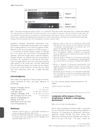
January 2014 in “Journal of Investigative Dermatology” High kallistatin levels in diabetics worsen wound healing by blocking important cell signals.
 9 citations
,
July 2010 in “British Journal of Dermatology”
9 citations
,
July 2010 in “British Journal of Dermatology” This article reports on lentiginosis observed within plaques of linear atrophoderma of Moulin and discusses its potential classification as a twin-spotting phenomenon but provides no new clinical research results.