 104 citations
,
October 2016 in “PLoS ONE”
104 citations
,
October 2016 in “PLoS ONE” This study found that CRISPR/Cas9-mediated disruption of the FGF5 gene in goats increased hair follicle numbers and fiber length, suggesting more cashmere production could be achieved.
6 citations
,
March 2007 in “BioTechniques” This study observed that PCR-based genotyping for cre-loxP mice can lead to errors due to cre-mediated recombination in non-target tissues like tails, affecting the detection of lox alleles.
65 citations
,
November 2013 in “The EMBO Journal” HDAC1 is crucial for skin development and preventing tumors.
 81 citations
,
November 2012 in “Journal of the National Cancer Institute”
81 citations
,
November 2012 in “Journal of the National Cancer Institute” This study found that FLCN deficiency in mice muscles led to increased mitochondrial biogenesis and a metabolic shift towards oxidative phosphorylation, with a similar advantage observed in FLCN-null kidney cancer cells.
 11 citations
,
March 2020 in “American Journal of Medical Genetics Part A”
11 citations
,
March 2020 in “American Journal of Medical Genetics Part A” This study identified a novel homozygous EDNRA variant linked to Oro-Oto-Cardiac Syndrome and showed that EDNRA signaling is essential for normal craniofacial and cardiovascular development.
 35 citations
,
August 2010 in “The American journal of pathology”
35 citations
,
August 2010 in “The American journal of pathology” This study reports that hypomorphic alleles of the Ass1 gene in mice resemble human CTLN1, providing a potential model for preclinical studies and indicating that standard treatments for CTLN1 can rescue phenotypes.
 12 citations
,
June 2020 in “Frontiers in Cell and Developmental Biology”
12 citations
,
June 2020 in “Frontiers in Cell and Developmental Biology” This study found that the PP2A-B55α regulatory subunit is crucial for ectodermal development in mice, with knockout embryos displaying severe neural and epidermal defects and failing to survive to birth.
 3 citations
,
January 2019 in “Jikken doubutsu ihou/Jikken doubutsu/Experimental animals/Jikken Dobutsu”
3 citations
,
January 2019 in “Jikken doubutsu ihou/Jikken doubutsu/Experimental animals/Jikken Dobutsu” This study reported that knocking out the HR gene in pigs using CRISPR/Cas9 led to hairless eyelids and abnormalities in the thymus and peripheral blood, suggesting pigs as a model for human HR-related hair disorders.
 23 citations
,
May 2020 in “Cell Death and Disease”
23 citations
,
May 2020 in “Cell Death and Disease” This study generated FGF5-knockout Dorper sheep using the CRISPR/Cas9 system, resulting in significantly increased fine-wool and active hair-follicle density, and explored downstream signaling pathways for potential applications in androgen alopecia treatment.
 46 citations
,
December 2010 in “The journal of investigative dermatology/Journal of investigative dermatology”
46 citations
,
December 2010 in “The journal of investigative dermatology/Journal of investigative dermatology” This study found that Acvr1b signaling is crucial for both hair follicle development and cycling in mice, with the genetic disruption leading to hair loss and a thickened epidermis.
 April 2024 in “bioRxiv (Cold Spring Harbor Laboratory)”
 In this study on adult-onset, whole body Spry1/2/4 triple knockout mice, researchers observed endocrine abnormalities and no increased tumor incidence, despite similar food intake and motor function.
 73 citations
,
June 2001 in “Endocrinology”
73 citations
,
June 2001 in “Endocrinology” In this study, researchers found that disrupting the PRL gene in mice led to earlier hair molting, especially in females, suggesting that PRL inhibits murine hair cycle events.
 14 citations
,
June 2001 in “Endocrinology”
14 citations
,
June 2001 in “Endocrinology” This study found that disrupting the PRL gene in mice alters the timing of hair cycling events, causing earlier molts and changes in hair characteristics, particularly affecting female mice more significantly.
 11 citations
,
January 2017 in “Biochemical and biophysical research communications”
11 citations
,
January 2017 in “Biochemical and biophysical research communications” This study observed that Cyp27b1−/− mice exhibited growth and skeletal abnormalities similar to those of Vdr−/− mice, despite differences like the development of alopecia in Vdr−/− mice, suggesting that 1α,25D3 may directly influence chondrocyte proliferation and differentiation.
 7 citations
,
March 2022 in “Scientific reports”
7 citations
,
March 2022 in “Scientific reports” In this study, researchers found that pigs with genetically disrupted ANTXR1 were resistant to Senecavirus A infection, showing no clinical symptoms, and provided a model for human GAPO syndrome, while confirming ANTXR1 as a receptor for the virus.
11 citations
,
October 2002 in “Genetics” This study mapped a spontaneous mouse hair mutation, "hague," to keratin genes on chromosome 15 but found no gene mutations in hague mice.
 2 citations
,
April 2025 in “Frontiers in Genetics”
2 citations
,
April 2025 in “Frontiers in Genetics” This study investigated the genetic basis of coat color variation in cattle using skin transcriptome and whole-genome analyses, identifying the ASIP gene as a significant determinant that is differentially expressed and under strong positive selection in black and brown cattle breeds.
 January 2025 in “PLoS ONE”
 This study found that ING5 knockout mice are prone to developing lymphomas and severe dermatitis, suggesting ING5 plays a role in tumor suppression and stem cell maintenance in vivo.
 April 2003 in “Experimental Dermatology”
 This workshop review from the Australian Hair and Wool Research Society discusses findings in cutaneous biology and endocrinology but presents no new research results.
 29 citations
,
January 2010 in “Methods in Enzymology”
29 citations
,
January 2010 in “Methods in Enzymology” This review discusses five genetic fate mapping methods used to study cell behaviors during development and regeneration, detailing the necessary tools and considerations without reporting new experimental results.
1 citations
,
February 2025 in “Journal of Dairy Science” In this study, researchers found that the SLICK1 allele in cattle may alter local immune regulation, hair growth, and tissue remodeling, as indicated by differential gene expression pathways associated with immune and inflammatory responses in slick vs. nonslick Holsteins.
 1308 citations
,
March 1998 in “Journal of bone and mineral research”
1308 citations
,
March 1998 in “Journal of bone and mineral research” This review discusses the molecular role of the vitamin D receptor in regulating various biological actions such as bone mineralization and reports no new clinical results, highlighting the complexity of vitamin D's function in multiple tissues.
 242 citations
,
February 2016 in “Science”
242 citations
,
February 2016 in “Science” This research found that Foxc1 transcription factor and COL17A1 are critical in regulating quiescence and hair thinning in hair follicle stem cells, with aging-related DNA damage leading to hair loss.
 58 citations
,
February 2016 in “Scientific reports”
58 citations
,
February 2016 in “Scientific reports” This study found that dual inhibition of BACE1 and BACE2 in mice affects melanosome maturation and causes dose-dependent hair depigmentation without altering retinal morphology.
 24 citations
,
May 2019 in “PLOS genetics”
24 citations
,
May 2019 in “PLOS genetics” This study reports that compound heterozygous loss-of-function mutations in the HEPHL1 gene in a child were associated with abnormal hair and cognitive issues, linking altered ferroxidase activity to hair disorders.
 13 citations
,
December 2014 in “Stem Cells”
13 citations
,
December 2014 in “Stem Cells” This study found that quiescent bulge stem cells, when prevented from contributing to hair follicle and epidermal regeneration, did not affect hair follicle growth or wound healing in the short term.
 November 2023 in “ACS Omega”
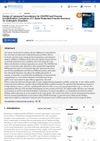
 This study reported that a novel cationic liposome formulation for delivering encapsulated Cas9 protein and sgRNA successfully decreased SRD5α2 mRNA expression by 29.7% in vitro, suggesting a potential alternative treatment option for conditions like prostate cancer and benign prostatic hyperplasia without current drug side effects.
 124 citations
,
July 2012 in “Archives of Dermatological Research”
124 citations
,
July 2012 in “Archives of Dermatological Research” This review discusses the roles of androgens and androgen receptors in skin-related disorders and suggests that targeting androgen receptors may be a more effective treatment strategy.
 29 citations
,
December 2016 in “The EMBO Journal”
29 citations
,
December 2016 in “The EMBO Journal” This study found that the transcription factor Gata6 plays a crucial role in adult mouse hair follicle regeneration by promoting the renewal and preventing DNA damage of rapidly proliferating progenitor cells.
 6 citations
,
August 2014 in “Toxicologic pathology”
6 citations
,
August 2014 in “Toxicologic pathology” This study found that prolonged inhibition of DGAT1 in mice and dogs led to atrophy of sebaceous glands, with mice also experiencing alopecia, suggesting potential skin-related risks for humans using DGAT1 inhibitors.