 8 citations
,
November 2022 in “Cureus”
8 citations
,
November 2022 in “Cureus” In this study, patients with mild to moderate scalp seborrheic dermatitis experienced greater improvements in severity scores and quality of life with Lulican™ shampoo compared to Ketoconazole over four weeks, with similar safety profiles but better tolerability and cosmetic acceptability for LulicanTM.
 April 2026 in “International Journal of Drug Delivery Technology”
 The study developed herbal shampoo formulations using isolated phytoconstituents, such as eugenol, rutin, menthol, and camphor, which demonstrated similar antifungal efficacy to ketoconazole but with improved safety and detergency, offering a promising alternative for managing seborrheic dermatitis.
 92 citations
,
January 1998 in “Dermatology”
92 citations
,
January 1998 in “Dermatology” This study found that 2% ketoconazole shampoo improved hair density and anagen follicle proportion in androgenic alopecia similarly to minoxidil treatment, suggesting a potential role for Malassezia in inflammation.
 9 citations
,
August 2024 in “Cureus”
9 citations
,
August 2024 in “Cureus” This study reviewed existing knowledge and research, observing that ketoconazole shampoo is a safe and effective treatment for scalp seborrheic dermatitis, significantly improving irritation and scaling while maintaining low relapse rates and minimal side effects.
 1 citations
,
November 2019 in “International Journal of Women's Dermatology”
1 citations
,
November 2019 in “International Journal of Women's Dermatology” Ketoconazole shampoo can cause rare pink hair discoloration.
 September 2024 in “Journal of Clinical and Nursing Research”
 This study found that combining Chuzhi Shengfa Tablets with either ketoconazole shampoo or 5% minoxidil foam significantly improved hair density, hair diameter, and reduced scalp oil in men with androgenetic alopecia, without increasing adverse reactions.
 1 citations
,
November 2023 in “Journal of cosmetic dermatology”
1 citations
,
November 2023 in “Journal of cosmetic dermatology” This study developed a novel antidandruff shampoo with ketoconazole-coated zinc oxide nanoparticles that showed enhanced antifungal activity against Malassezia furfur compared to standard ketoconazole treatments, suggesting it could be a more effective alternative for dandruff management.
 1 citations
,
February 2014 in “Analytical Letters”
1 citations
,
February 2014 in “Analytical Letters” This study developed a fast and sensitive ultra-high performance liquid chromatography method to quantify ketoconazole in antidandruff emulsions, showing comparable results to labeled concentrations.
 43 citations
,
October 2002 in “International Journal of Cosmetic Science”
43 citations
,
October 2002 in “International Journal of Cosmetic Science” This study found that 1% ketoconazole and 1% piroctone olamine shampoos increased hair shaft thickness and reduced hair shedding in men with telogen effluvium and androgenic alopecia associated with dandruff.
 20 citations
,
January 1990 in “Journal of dermatological treatment”
20 citations
,
January 1990 in “Journal of dermatological treatment” This study found that both ketoconazole 2% shampoo and selenium sulphide are effective for dandruff treatment, but ketoconazole also reduces hair growth.
 32 citations
,
November 2005 in “Journal of Investigative Dermatology Symposium Proceedings”
32 citations
,
November 2005 in “Journal of Investigative Dermatology Symposium Proceedings” Most women preferred the 1% pyrithione zinc shampoo for better hair smoothness and less frizz while controlling dandruff.
25 citations
,
January 2019 in “Journal of Pharmacy And Bioallied Sciences” This study concluded that the formulated polyherbal shampoo is a chemical-free product with nourishing, conditioning, cleansing, and antimicrobial effects.
May 2026 in “International Journal of Pharmaceutical Research and Development” This abstract explains that dandruff can be treated using either chemical-based or herbal anti-dandruff shampoos, with both types containing antibacterial and antifungal ingredients to reduce scalp flakiness and eliminate fungi.
 March 2017 in “International journal of current advanced research”
 This study evaluates the effectiveness of medicated shampoo against hair loss using a questionnaire distributed to 100 people, but it reports no new clinical results.
 2 citations
,
April 2015 in “Dermatology practical & conceptual”
2 citations
,
April 2015 in “Dermatology practical & conceptual” This case report suggests that regular use of antifungal shampoo might obscure clinical indicators of Trichophyton tonsurans tinea capitis in healthy adults, necessitating detailed diagnostic approaches like histopathology and dermoscopy.
66 citations
,
January 1987 in “Journal of Investigative Dermatology” This study found that enzyme activity critical to cancer induction by polycyclic aromatic hydrocarbons in human hair follicles increased after using a crude coal tar-containing shampoo for four days and was substantially inhibited by imidazole compounds.
125 citations
,
May 2010 in “Pediatric dermatology” This review presents European guidelines for treating tinea capitis, noting systemic antifungals are essential, with griseofulvin preferred for Microsporum infections and newer antifungals viable for Trichophyton but often costlier.
Female pattern hair loss, common in women, can be treated with various methods like minoxidil, anti-androgen treatments, and light therapy, but early intervention and realistic expectations are crucial.
 11 citations
,
December 2014 in “Clinical Obstetrics and Gynecology”
11 citations
,
December 2014 in “Clinical Obstetrics and Gynecology” This article presents a systematic approach for obstetricians/gynecologists to diagnose and manage common types of nonscarring hair loss in women, reporting no new clinical results.
 2 citations
,
December 2018 in “International journal of current microbiology and applied sciences”
2 citations
,
December 2018 in “International journal of current microbiology and applied sciences” In this case study, a 7-year-old Labrador with hypothyroidism and alopecia showed dramatic improvement and complete hair regrowth after two months of Levothyroxine and Ketoconazole treatment.
 1 citations
,
May 2014 in “Hair transplant forum international”
1 citations
,
May 2014 in “Hair transplant forum international” This commentary explores the challenges and considerations in treating female pattern hair loss, with no new clinical findings reported.
 March 2026 in “Open MIND”
 Early treatment of scalp infections can prevent permanent hair loss.
 July 2024 in “Forum Dermatologicum”
 This review evaluates various topical treatments for androgenetic alopecia but does not provide new clinical findings, emphasizing the need for selecting therapies with limited systemic side effects.
 January 2024 in “Jurnal Ilmu Kesehatan Hewan”
 In this veterinary case report, a mixed breed dog with Malassezia dermatitis showed significant improvement and hair regrowth after 28 days of treatment with ketoconazole and other supportive therapies.
This study found that coconut oil with turmeric is less effective than 2% ketoconazole shampoo at reducing itching, hair loss, and dandruff scales in adults with dandruff.
24 citations
,
July 2009 in “Mycoses” This case report describes an adult patient with tinea capitis due to Microsporum canis who experienced complete hair regrowth following treatment with fluconazole and ketoconazole shampoo.
 22 citations
,
January 2009 in “Medical mycology”
22 citations
,
January 2009 in “Medical mycology” In this case report, researchers identified Arthroderma vanbreuseghemii as the cause of a familial fungal infection, which was successfully treated with itraconazole and topical terbinafine cream.
This pilot study found that a novel regimen including NuH Hair led to significant hair growth in male patients with androgenic alopecia, regardless of atopy status, with quicker results when additional treatment components were used.
 10 citations
,
January 2010 in “PubMed”
10 citations
,
January 2010 in “PubMed” This article reviews current hair loss treatments, proposing a hypothesis that a combination of drugs, supplements, and therapies may effectively manage hair loss, but presents no new clinical results.
 9 citations
,
October 2013 in “Pediatric dermatology”
9 citations
,
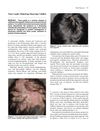
October 2013 in “Pediatric dermatology” This study highlights a dissecting cellulitis-like presentation of tinea capitis in children that should be identified to ensure correct diagnosis and treatment to prevent scarring alopecia.