3 citations
,
November 2024 in “Egyptian Journal of Medical Human Genetics” This bibliometric analysis identified SGK1 as a key factor in cancer, showing that its dysregulation can lead to tumor growth and treatment resistance. The authors highlighted SGK1's potential as a therapeutic target, but note that further research is needed to develop effective treatment strategies.
70 citations
,
February 2007 in “Journal of Investigative Dermatology” K39 and K40 are the last keratins expressed in hair development, completing the hair keratin catalog.
 1 citations
,
November 2023 in “Rice”
1 citations
,
November 2023 in “Rice” This study found that PRX102, a peroxidase with a unique polar localization pattern, plays a role in root hair growth by aiding the transport of materials to the tips of growing root hairs.
 3 citations
,
January 2023 in “American journal of physiology. Cell physiology”
3 citations
,
January 2023 in “American journal of physiology. Cell physiology” This editorial reviews the roles and therapeutic potential of inward rectifying K+ channels in various physiological processes, highlighting their importance in health and disease but provides no new experimental results.
 8 citations
,
December 2009 in “Journal of The European Academy of Dermatology and Venereology”
8 citations
,
December 2009 in “Journal of The European Academy of Dermatology and Venereology” This article discusses a novel mutation in the FERMT1 gene identified in a Spanish family with Kindler’s syndrome but reports no new clinical results.
 March 2026 in “Zenodo (CERN European Organization for Nuclear Research)”
 This study reports a novel geometric medicine solution, N‑K GM SERIES, claiming to eliminate aflatoxin, offer a universal cancer cure, and provide numerous health benefits, including increased life expectancy, with deployment focused on the "Aflatoxin Belt" regions like Sudan.
 June 2025 in “Frontiers in Immunology”
 This study reported that anti-Ku-positive patients exhibited heterogeneous muscular features, primarily characterized by necrotizing fibers and vacuolar changes, and suggested that autophagy could be a significant mechanism involved in the pathogenesis.
November 2025 in “ACS Nano” This study reported the development of a pH-responsive microreactor that effectively targets infections by eradicating over 99.9% of MRSA and reprogramming the immune response to promote healing, achieving complete infection clearance and tissue regeneration in a 7-day period.
June 2023 in “Zenodo (CERN European Organization for Nuclear Research)”  March 2018 in “Suez Canal University Medical Journal”
 In this study, NKG2D polymorphism was not linked to increased susceptibility to systemic lupus erythematosus among Egyptian patients living in the Suez Canal area.
 30 citations
,
March 2019 in “Archives animal breeding/Archiv für Tierzucht”
30 citations
,
March 2019 in “Archives animal breeding/Archiv für Tierzucht” In this study, variation in the KRTAP15-1 gene in goats was linked to changes in cashmere fibre diameter, with specific variants showing dominant or recessive effects.

In this study, researchers found that the keratin-associated protein 36-1 gene (KRTAP36-1) allele C is linked to variations in mean fibre curvature of fine wool in Chinese Tan lambs, suggesting its role in their distinctive curly coat.
 87 citations
,
January 2017 in “PLoS Genetics”
87 citations
,
January 2017 in “PLoS Genetics” This study found that simultaneously inhibiting both KLK5 and KLK7 proteases completely rescued skin barrier defects in a mouse model of Netherton syndrome, suggesting both should be therapeutic targets.
June 2023 in “Zenodo (CERN European Organization for Nuclear Research)” 76 citations
,
January 1998 in “Mammalian Genome” August 2025 in “Animal nutrition” This study found that supplementing with 1.5% α-ketoglutaric acid significantly improved the performance, hair follicle density, and antioxidant capacity in Rex rabbits, potentially by enhancing the Wnt signaling pathway and reducing amino acid catabolism.
This study found that in mice, the epidermal microenvironment reverses the oncogenic effects of GNAQQ209L in melanocytes, inhibiting their survival and proliferation through paracrine signals.
84 citations
,
May 2008 in “Biological Chemistry” This review discusses the roles of human tissue kallikreins in skin physiology and pathology and reports no new findings, emphasizing their potential involvement in various skin functions and conditions.
 January 2026 in “Nanoscale Advances”
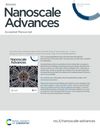
 In this study, a biocompatible zinc oxide nanocomposite loaded with the anticancer drug 9-Br-Nos demonstrated effective drug delivery and cytotoxicity against lung cancer cells in vitro, while also proving non-toxic to healthy cells, suggesting its potential for targeted lung cancer treatment.
 April 2023 in “Cancer research”
 This study suggests that KRTAP2-3 may serve as a novel biomarker to identify cells in the polyaneuploid cancer cell state, which is linked to therapy resistance and poor prognosis in prostate cancer.
5 citations
,
October 2023 in “Forests” In this study, researchers assessed the genetic diversity of 101 Ginkgo biloba individuals using EST-SSR markers and concluded that there is a high level of genetic diversity in Ginkgo populations, facilitating the construction of a core germplasm collection for breeding purposes.
50 citations
,
July 2008 in “British Journal of Dermatology”  3 citations
,
February 2016 in “Majallah-i dānishgāh-i ̒ulūm-i pizishkī-i Māzandarān/Journal of Mazandaran University of Medical Sciences”
3 citations
,
February 2016 in “Majallah-i dānishgāh-i ̒ulūm-i pizishkī-i Māzandarān/Journal of Mazandaran University of Medical Sciences” This study observed that noncertified Kohl used in Iranian cities contained heavy metals within WHO suggested limits, but highlighted concerns due to high levels in some samples.
This study found that GNAQQ209L expression in mouse melanocytes led to reduced survival in the interfollicular epidermis due to paracrine signaling, while GNAQQ209L boosted survival in a different microenvironment.
 9 citations
,
March 2022 in “Journal of radiation research”
9 citations
,
March 2022 in “Journal of radiation research” This study identified specific profiles and courses of adverse events associated with boron neutron capture therapy for head and neck cancer, suggesting differences based on the beam incidence site.
 July 2025 in “Frontiers in Medicine”
 In this case study, an 8-year-old boy with alopecia totalis experienced significant hair regrowth after baricitinib treatment, suggesting KRT74 variants may influence immune dysregulation in this condition.
 1 citations
,
November 2023 in “Journal of cosmetic dermatology”
1 citations
,
November 2023 in “Journal of cosmetic dermatology” This study developed a novel antidandruff shampoo with ketoconazole-coated zinc oxide nanoparticles that showed enhanced antifungal activity against Malassezia furfur compared to standard ketoconazole treatments, suggesting it could be a more effective alternative for dandruff management.
 November 2022 in “Van Sağlık Bilimleri Dergisi”
 This study found no association between W locus allele variations and phenotypic traits like eye color, head spotting, and fur length in Turkish Van cats, suggesting other genetic factors should be explored.
6 citations
,
October 2023 in “Animal Biotechnology” This study found that a 22-bp InDel polymorphism in the FGF7 gene was significantly associated with growth traits in goats, with genotypes ID and/or II linked to better growth compared to genotype DD, indicating its potential as a molecular marker in breeding programs.
6 citations
,
August 2016 in “Journal of Visualized Experiments” This article describes a method using the CUBIC protocol to clarify and visualize molecular and cellular interactions in mouse skin biopsies at single cell resolution, but does not provide new biological findings.