September 2023 in “Journal of the American Academy of Dermatology” Dermatologists should consider alpha-gal syndrome in patients with unexplained chronic skin issues.
 15 citations
,
May 2015 in “Photomedicine and Laser Surgery”
15 citations
,
May 2015 in “Photomedicine and Laser Surgery” This review assesses low-level laser therapy in plastic surgery and reports that it may improve flap survival and burn scars, but lacks efficacy for venous ulcers, alopecia, and skin aging.
 August 2025 in “Dermatology and Therapy”
 This review reports that three JAK inhibitors—baricitinib, ritlecitinib, and deuruxolitinib—have gained FDA approval for treating alopecia areata due to their demonstrated efficacy in fostering hair regrowth in clinical trials.
February 2006 in “Journal of the American Academy of Dermatology”  2 citations
,
March 2021 in “Dermatologic Therapy”
2 citations
,
March 2021 in “Dermatologic Therapy” This study found that low-level laser therapy significantly increased hair counts in women with female pattern hair loss but not in those with telogen effluvium, without serious adverse events.
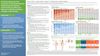 March 2026 in “SKIN The Journal of Cutaneous Medicine”
 This study demonstrated that litifilimab significantly reduced disease activity in cutaneous lupus erythematosus by Week 16, with improvements most notable in sunlight-exposed skin areas.
 September 2025 in “The health sciences AUS.”
 This review discusses the efficacy and safety of intralesional triamcinolone acetonide for treating acne keloidalis nuchae, highlighting its significant effectiveness with rare side effects when used properly.
February 2003 in “Australasian Journal of Dermatology” This article reviews the book "Hair Loss: Principles of Diagnosis and Management of Alopecia" and reports no new research findings.
September 2025 in “Journal of the American Academy of Dermatology” Some JAK inhibitors are effective for significant hair regrowth in alopecia areata.
3 citations
,
July 1985 in “British journal of dermatology/British journal of dermatology, Supplement” This study found that patients with lichen sclerosus et atrophicus who have autoimmune-related phenomena do not experience a different natural history of the disease compared to those without such phenomena.
May 2026 in “JAAD International” This article notes the lack of US prevalence data for primary lymphocytic cicatricial alopecias due to the recent introduction of subtype-specific ICD-10 codes and highlights the importance of early diagnosis for hair preservation.
 July 2025 in “Russian Journal of Clinical Dermatology and Venereology”
 In this case report, researchers observed that two sisters with congenital immune disorders experienced partial hair regrowth while receiving tofacitinib for severe alopecia areata, highlighting the need for careful clinical and laboratory monitoring due to potential infection risks associated with JAK inhibitor therapy.
 November 2022 in “The journal of investigative dermatology/Journal of investigative dermatology”
 This study generated a transcriptomic map of human hair follicles, identifying compartment-specific gene expression profiles that can aid in developing targeted therapies for hair follicle disorders.
September 2024 in “Journal of the American Academy of Dermatology” This source highlights Amla's potential as a natural remedy due to its high vitamin C, fiber, iron, and antioxidant content, marking its benefits in slowing aging, enhancing hair and skin health, managing diabetes, and exhibiting anticancer, antioxidant, and immunomodulatory effects.
 19 citations
,
December 2015 in “Journal of Materials Chemistry B”
19 citations
,
December 2015 in “Journal of Materials Chemistry B” This study found that using layer-by-layer encapsulation techniques on dermal papilla cells can support their function and may help treat hair loss when used in conjunction with freshly isolated epidermal cells.
This study suggests that oral JAK inhibitors can be an effective treatment option for approximately half of patients with moderate to severe alopecia areata, despite variable responses and potential adverse effects.
 April 2023 in “IP Indian journal of clinical and experimental dermatology”
 This article reviews the pathogenesis, complications, and management of lichen planus, especially its persistent oral form, and highlights the need for further prospective studies.
April 2023 in “Zenodo (CERN European Organization for Nuclear Research)” This case study reported significant improvement in autoimmune-related symptoms, including complete hair regrowth, in a patient with systemic lupus erythematosus and alopecia areata after treatment with the LGS Protocol.
July 2025 in “Journal of Investigative Dermatology” Ritlecitinib reduces alopecia areata symptoms by blocking JAK3/TEC signaling and T-cell activity.
 October 2022 in “International journal of medical science and clinical research studies”
 In this study, the combination of Poly-D,L-Lactic Acid and Platelet-Rich Plasma was reported to be effective for improving wrinkle severity and skin brightness in a 45-year-old woman.
 April 2023 in “Journal of the American Academy of Dermatology”
 This study aimed to evaluate the outcomes of switching between two JAK inhibitors, tofacitinib and baricitinib, in treating alopecia areata, due to the lack of data on their comparative efficacy.
11 citations
,
May 2011 in “The Journal of Dermatology” This case report describes a possible association between Vogt-Koyanagi-Harada disease and linear IgA/IgG bullous dermatosis in a 35-year-old Japanese male, though coincidence cannot be ruled out.
November 2025 in “Scientia Pharmaceutica” This review highlights that injectable biostimulatory agents like poly-L-lactic acid, polycaprolactone, and calcium hydroxyapatite are effective in regenerative aesthetics by enhancing collagen production, stimulating adipogenesis, and improving dermal quality, although further research is needed to standardize protocols and confirm long-term safety and efficacy.
June 2026 in “British Journal of Dermatology” This case study documented the first known instance of biopsy-confirmed lichen planopilaris occurring after hairline-lowering surgery in a patient without prior history, highlighting a potential complication where surgical trauma may trigger immune-mediated hair loss.
 January 2019 in “LASER THERAPY”
 Laser technologies improve medical treatments and outcomes.
6 citations
,
March 2020 in “Anais Brasileiros de Dermatologia” This study found that the genetic variants rs231775 and rs3087243 of the CTLA4 gene are not associated with alopecia areata in the Mexican population analyzed.
 60 citations
,
December 2015 in “Lasers in Medical Science”
60 citations
,
December 2015 in “Lasers in Medical Science” This review concluded that FDA-cleared low-level laser therapy devices are safe and effective for patients with male and female pattern hair loss who do not respond to or tolerate standard treatments.
 September 2024 in “Research Square (Research Square)”
 This study found that bi-weekly 1550nm low-level laser therapy significantly improved hair loss conditions and scalp health in participants, suggesting its potential as an effective non-invasive treatment option.