 9 citations
,
June 2013 in “Australasian Journal of Dermatology”
9 citations
,
June 2013 in “Australasian Journal of Dermatology” This case study reports on an adult with metastatic Crohn's disease treated with infliximab over 4.5 years, providing valuable follow-up data in this context.
3 citations
,
August 2004 in “Veterinary Dermatology” This study reported that canine recombinant IFNγ (KT‐100) significantly improved atopic dermatitis symptoms in dogs compared to placebo, and it appeared to be safe during the study period.
71 citations
,
January 2011 in “Orphanet Journal of Rare Diseases” This article reviews IFAP syndrome, an X-linked genetic disorder characterized by ichthyosis follicularis, alopecia, and photophobia, and reports no new clinical findings.
 16 citations
,
July 2000 in “Dermatologic surgery”
16 citations
,
July 2000 in “Dermatologic surgery” This paper contains author contact information and disclosures without reporting new research findings or results.
January 2016 in “프로그램북(구 초록집)” This study found that growth factor cocktail treatment including FGF9, combined with microneedling, significantly improved hair density in androgenetic alopecia patients compared to treatment with regular GFC or normal saline.
January 2017 in “프로그램북(구 초록집)” 2 citations
,
March 2011 in “International Journal of Dermatology” This case report describes an 18-year-old male with IFAP syndrome, confirmed by total hair loss, severe photophobia, and characteristic skin changes, marking a rare presentation of the condition.
 25 citations
,
August 2010 in “Journal of Biological Chemistry”
25 citations
,
August 2010 in “Journal of Biological Chemistry” This study found that NFI-C plays a crucial role in the transition from the telogen to anagen phase of the hair follicle cycle, affecting hair growth initiation in mice.
1 citations
,
November 2022 in “International journal of trichology” This case report describes a 6-year-old girl with IFAP syndrome who showed good improvement in cutaneous symptoms after one month of acitretin treatment.
June 2022 in “International Journal of Research in Dermatology” This study found that injectable platelet-rich fibrin significantly improved hair growth and patient satisfaction as a cost-effective adjuvant treatment for androgenetic alopecia.
 16 citations
,
February 2022 in “Science Advances”
16 citations
,
February 2022 in “Science Advances” This study found that coactivating LIN28B and follistatin enhances cochlear supporting cells' ability to regenerate hair cells in neonatal mice by reprogramming them into progenitor-like cells.
July 2026 in “Clinical Cosmetic and Investigational Dermatology” This study found that combining CGF with IPL treatment significantly improved skin conditions and quality of life for patients with facial sensitive skin compared to IPL alone, with enhanced wrinkle reduction, skin barrier function, and decreased adverse reactions reported.
April 2026 in “Journal of Dermatological Treatment” This study concluded that in female pattern hair loss patients, CGF and i-PRF treatments were more effective than PRP in increasing target area hair count, with i-PRF having the lowest adverse event rate.
56 citations
,
September 2016 in “Pharmaceutical Research” This study found that imiquimod combined with fish oil in a bigel formulation enhanced antitumor effects and reduced inflammatory side effects in a skin cancer model.
11 citations
,
January 2024 in “Gynecological Endocrinology” This narrative review on inositol use in PCOS treatment found positive results for myo-inositol alone and effective outcomes for a myo-inositol/D-chiro inositol combination at a 40:1 ratio, suggesting further research on other combinations like 66:1 to 100:1.
 12 citations
,
January 2021 in “International Journal of Biological Sciences”
12 citations
,
January 2021 in “International Journal of Biological Sciences” This study generated a gene-edited cashmere goat with improved cashmere yield and fiber length by integrating VEGF at the FGF5 site, offering insights into hair growth mechanisms.
3 citations
,
October 2024 in “International Journal of Molecular Sciences” This study found that non-activated platelet-rich plasma from acetylsalicylic acid-treated patients increased inflammatory cytokines, affecting platelet activation and possibly influencing outcomes in PRP therapies.
 July 2024 in “Journal of Investigative Dermatology”
 In this animal study, researchers found that the simultaneous deletion of ERBB2 and ERBB3 in mice results in impaired skin differentiation, inflammation, and sebaceous gland alteration, leading to skin lesions, while highlighting potential side effects in cancer therapies targeting these receptors.
 May 2023 in “Journal of Investigative Dermatology”
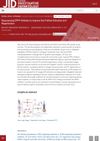
 In this study, researchers found that topical application of the diabetes medication Sitagliptin in mice accelerates hair follicle regeneration and reduces fibrosis, suggesting it could be repurposed to treat hair loss conditions like alopecia.
 1 citations
,
March 2022 in “International Journal of Nutrology”
1 citations
,
March 2022 in “International Journal of Nutrology” This study found that myo-inositol improved fertility and metabolic parameters in women with polycystic ovary syndrome, including those undergoing in vitro fertilization, and reduced the risk of gestational diabetes.
 October 2025 in “International Wound Journal”
 In a study using a rat model of hypertrophic scars, researchers found that gamma-irradiated human amniotic fluid improved wound healing, collagen remodelling, immune response, and scar characteristics more effectively than saline or non-irradiated amniotic fluid, indicating its potential for clinical applications in scar management.
7 citations
,
November 1997 in “Reproduction Fertility and Development” In this study, subcutaneous injections of murine epidermal growth factor in marsupial pouch young inhibited the formation of hair follicles and associated structures, altering normal follicle development.
6 citations
,
June 2023 in “Journal of the European Academy of Dermatology and Venereology” This study observed that inflammatory AIGA is associated with sweat duct inflammation and sweat coil atrophy, while non-inflammatory AIGA involves only sweat coil atrophy, suggesting distinct pathological features between the two.
 May 2025 in “Journal of medical and dental science research.”
 This article discusses the potential role and mechanisms of platelet-rich fibrin therapies in androgenetic alopecia management, exploring their possible benefits over existing treatments but reports no new clinical results.
 11 citations
,
September 2007 in “Advances in therapy”
11 citations
,
September 2007 in “Advances in therapy” This study found that the oral supplement INVERSION® Femme significantly reduced weight and hair loss and improved skin and nails in overweight women.
The researchers reported that PEG-FGF2 conjugates, particularly Compound 6, significantly enhanced stability, proliferation, migration, and wound healing activity compared to native FGF2, despite some reduction in bioactivity near crucial binding domains.
January 2020 in “프로그램북(구 초록집)” This study found that treating androgenetic alopecia patients with microneedle-delivered GFC containing FGF5s and NMN increased hair density and diameter compared to normal saline.
38 citations
,
August 1999 in “New England journal of medicine/The New England journal of medicine” This letter discusses observations of indinavir's effects on skin, likening them to those of retinoids, but does not present new clinical findings.
 13 citations
,
May 2021 in “Plants”
13 citations
,
May 2021 in “Plants” This study found that the n-hexane fraction from Leea indica leaves significantly increased hair growth in mice and showed potential as a natural treatment for alopecia.
 5 citations
,
June 2019 in “JAAD Case Reports”
5 citations
,
June 2019 in “JAAD Case Reports” This article discusses the use of imiquimod as a treatment for actinic keratosis, basal cell carcinoma, and human papillomavirus warts, noting both its therapeutic benefits and common side effects such as local inflammation and flu-like symptoms.