 January 2026 in “Clinical Cosmetic and Investigational Dermatology”
 This study found that among patients with alopecia areata, 82% reported experiencing at least one significant life event perceived as strainful in the two years before disease onset, suggesting an association between perceived stress and the onset of this condition.
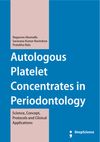
In this book, the authors provide an accessible overview of platelet concentrates and their dental applications, highlighting their role in tissue healing and regeneration, and reviewing recent studies on their efficacy in periodontal therapy, implant dentistry, and oral surgery.
 November 2025 in “Frontiers in Medicine”
 In this prospective cohort, baseline severity, disease activity, and relapse history were identified as key factors influencing response and recurrence in alopecia areata, suggesting that implementing standardized assessments could enhance risk stratification and personalized care approaches.
 November 2025 in “Frontiers in Immunology”
 This review discusses the role of immune cells in the pathogenesis of alopecia areata and highlights emerging immunomodulatory strategies and novel therapeutic targets aimed at offering more effective and durable treatments for this autoimmune hair loss disorder.
 November 2025 in “Bioscientia Medicina Journal of Biomedicine and Translational Research”
 In this case report, researchers describe a 44-year-old woman with refractory patch alopecia areata achieving complete hair regrowth using a multi-modal approach of systemic and topical cholecalciferol with microneedling, although systemic vitamin D repletion remains a significant confounder.
 August 2025 in “Bioscientia Medicina Journal of Biomedicine and Translational Research”
 In this case study, a 3-year-old with tinea capitis achieved complete resolution following treatment, highlighting hair salons as potential indirect transmission sites for infection and emphasizing trichoscopy's diagnostic value when traditional signs like Wood’s lamp fluorescence are missing.
 July 2025 in “Scientific Reports”
 In this study, researchers identified six novel prognostic biomarkers for bladder cancer and developed a predictive model that effectively stratifies patients into high-risk and low-risk groups based on immune cell infiltration differences and gene expression.
 June 2025 in “Basrah Researches Sciences”
 This article discusses how medicinal plants, known for their antiviral, immunomodulatory, antioxidant, and anti-inflammatory properties, may help alleviate long-term COVID-19 effects, but emphasizes the need for further clinical trials to confirm safety and efficacy.
 January 2025 in “International Journal of Dermatology Venereology and Leprosy Sciences”
 This study found that oral tofacitinib significantly reduced alopecia severity and improved quality of life over 12 months for children with moderate to severe alopecia areata, though the authors recommend more research due to the small sample size and absence of a control group.
 January 2025 in “Universidad de Córdoba Insitutional Repository (Universidad de Córdoba)”
 In this study, researchers observed that individuals with alopecia areata exhibited significant changes in scalp microbiota diversity and composition, which were linked to disease severity and inflammation markers, though it remains unclear if these microbial shifts are a cause or a result of hair loss.

This study found that oxidative stress markers, specifically MDA and H2O2, along with decreased SOD activity, may play a key role in the development of diffuse hair loss in the studied population.
 October 2024 in “Irish Journal of Medical Science (1971 -)”
 In this study, TENS of the T6 dermatome over a longer term was explored for its effects on weight, blood pressure, heart rate, and appetite-regulating hormones in obese subjects with moderate obstructive sleep apnea; however, results are not reported in the abstract.
 September 2024 in “Cureus”
 This study found that systemic lupus erythematosus predominantly affects young adults, with diverse symptoms including mucocutaneous and renal involvement, and highlights the significance of early detection for improved management.
 July 2024 in “International Journal of Medical Arts”
 In this study, both topical minoxidil and latanoprost were found to improve dermoscopic features of alopecia areata, with latanoprost showing superior effectiveness; minor side effects included erythema and itching.
 January 2024 in “International Research Journal of Modernization in Engineering Technology and Science”
 In this study, researchers examined common chemotherapy side effects among 100 Pakistani cancer patients and explored the potential side effect reduction through hunger-based differential chemotherapy. They found widespread adverse reactions, with only 18% willing to fast for over 24 hours.
 October 2023 in “International journal of biology, pharmacy and allied sciences”
 This article provides an in-depth exploration of both natural and synthetic treatments for alopecia, examining their mechanisms, benefits, limitations, and current research, while noting that synthetic therapies can have potential adverse effects.
 September 2023 in “Curēus”
 This study found that individuals with alopecia areata showed differences in otoacoustic emissions, suggesting potential links between the condition and auditory dysfunction, with significant gender and age group variations observed in hearing test results.
 September 2023 in “Frontiers in medicine”
 This review suggests that the mTOR signaling pathway may play a significant role in hair follicle health by influencing the effects of Vitamin D receptor deficiency, potentially contributing to hair follicle damage and related hair loss conditions.
This overview discusses the condition and treatments for alopecia areata, highlighting that the JAK inhibitor baricitinib, recently approved for severe cases, shows unprecedented effectiveness but raises cost and risk debates regarding treatment of this primarily cosmetic autoimmune disorder.
 April 2023 in “Medizinische Genetik”
 This review summarizes recent genetic findings in alopecia areata research and their implications for developing new treatments, without reporting new clinical results.
 January 2023 in “Malaysian Journal of Medical Research”
 This case report describes a 7-year-old girl whose allergic conjunctivitis went underdiagnosed and undertreated, resulting in poor prognosis due to the challenges associated with her young age and inability to verbally communicate symptoms.
 June 2022 in “Research Square (Research Square)”
 This study suggests that hair follicle mesenchymal stem cells may alleviate small intestinal ischaemia-reperfusion injury in rats by promoting angiogenesis, reducing apoptosis, and protecting intestinal mucosal function.
 February 2021 in “Indonesian Journal of Perinatology”
 This study found that among 26 pregnant patients with Systemic Lupus Erythematosus, the most common pregnancy complication was intrauterine growth restriction.
 February 2021 in “Journal of pharmaceutical and biological sciences”
 This article reviews multiple treatments for alopecia areata, highlighting their variable efficacy and safety without any being curative; it reports no new clinical findings.
This study found that sericin dressing containing collagen hydrolysate significantly reduced wound healing time and improved scar quality compared to commercial dressing in split-thickness skin graft donor sites.
 November 2019 in “Harper's Textbook of Pediatric Dermatology”
 This index of Harper's Textbook of Pediatric Dermatology, Fourth Edition, provides no clinical results or new findings.
 January 2019 in “ARC journal of pharmaceutical sciences”
 This review traces the historical understanding and treatment of acne across ancient Egyptian, Greek, and Roman civilizations, but provides no new clinical findings.
 October 2016 in “Elsevier eBooks”
 This article reviews the most common skin diseases worldwide and reports no new clinical findings.
This study found that low-level laser therapy may enhance wound healing and reduce pain, swelling, and inflammation by increasing mitochondrial activity and oxidative stress, leading to greater protein synthesis and cell proliferation.

In this study, researchers found that alopecia areata is linked to immune cell activation against hair follicle autoantigens and is associated with heart changes and cardiac marker alterations in humans and mice.