 February 2026 in “Nano Research”
 In this study, researchers developed a near-infrared-responsive nanoplatform that synergistically enhances chronic wound healing by accelerating mitochondrial restoration and immune modulation, leading to enhanced wound repair and high-quality healing in diabetic rat models.
November 2025 in “ACS Nano” This study reported the development of a pH-responsive microreactor that effectively targets infections by eradicating over 99.9% of MRSA and reprogramming the immune response to promote healing, achieving complete infection clearance and tissue regeneration in a 7-day period.
November 2025 in “OPAL (Open@LaTrobe) (La Trobe University)” In this study, researchers developed a hierarchically engineered microreactor that effectively combats infected wounds by releasing antimicrobials at acidic sites, eradicating MRSA while avoiding resistance, and enhancing tissue repair through immune system modulation.
April 2023 in “Journal of Investigative Dermatology” In this study, a mouse model of scarring alopecia demonstrated significantly reduced CD200R expression in affected skin, which may contribute to immune attacks on hair follicles.
August 2025 in “Acta Biomaterialia” This study presents a novel hydrogel scaffold made from tilapia collagen, which when activated by ultrasound, reprograms macrophages to promote wound healing, enhance angiogenesis, and stimulate hair follicle regeneration, offering a potential new method for treating inflammatory wounds.
5 citations
,
November 2023 in “Journal of Investigative Dermatology” This study observed that cutaneous microwounds created by fractional photothermolysis heal differently from typical wounds, displaying rapid re-epithelialization and limited inflammation, which may help reduce scar formation by delaying collagen remodeling and minimizing myofibroblast activation.
 7 citations
,
November 2007 in “Annales de Dermatologie et de Vénéréologie”
7 citations
,
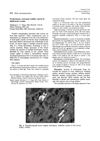
November 2007 in “Annales de Dermatologie et de Vénéréologie” A man was diagnosed with a rare form of lupus after showing unique skin symptoms that responded well to treatment.
 5 citations
,
September 1989 in “Journal of The American Academy of Dermatology”
5 citations
,
September 1989 in “Journal of The American Academy of Dermatology” This article reports that cocaine injections can lead to skin lesions containing talc crystals at the sites of injection.
5 citations
,
August 1981 in “Archives of Dermatology” This paper examines the potential autoimmune basis of alopecia areata, but reports no new clinical results; the focus is on analyzing complement levels and macrophage migration inhibition factor in patients.
1 citations
,
January 2018 in “Skin appendage disorders” This review discusses the role of the complement pathway in alopecia areata and reports no new clinical results; the authors suggest that targeting this pathway could offer treatment options.
23 citations
,
December 1990 in “PubMed” This case study suggests that systemic lupus erythematosus should be considered as a potential diagnosis for immune-mediated skin disease in horses, based on multisystemic signs and specific histopathologic and immunopathologic findings.
In this study, a novel CT@GA-gel hybrid hydrogel was developed for diabetic wound treatment, demonstrating improved mechanical properties, tissue adhesion, and chronic wound healing benefits, including immune regulation and re-epithelialization, due to enhanced crosslinking and ROS scavenging by incorporated carbon dots.
December 2025 in “Advanced Healthcare Materials” In this study, a new topical formulation containing amine-activated carboxymethyl chitosan and hydrolyzed extracellular matrix showed promising results in a mouse model by reducing oxidative stress, inflammation, and promoting hair regeneration, potentially offering an alternative treatment for inflammatory hair loss.
 June 2025 in “International Journal of Molecular Sciences”
 In this study, researchers used spatial transcriptomics to identify increased expression of genes linked to extracellular matrix organization and epithelial–mesenchymal transition in the progenitor cell regions of hair follicles in androgenetic alopecia patients, suggesting a possible role in progenitor cell loss and fibrogenic microenvironment development.
 March 2026 in “Science China Materials”
 SeV-Tp speeds up healing of drug-resistant infections by targeting wounds and killing bacteria with light activation.
116 citations
,
April 2022 in “Science Translational Medicine” This study found that the hydrophilic PTK-UR foam with EG7 repeats significantly improved wound healing in porcine skin wounds compared to other scaffolds, suggesting potential for synthetic biomaterial applications.
 2 citations
,
May 2021 in “bioRxiv (Cold Spring Harbor Laboratory)”
2 citations
,
May 2021 in “bioRxiv (Cold Spring Harbor Laboratory)” In this study, hydrophilic EG7 PTK-UR foams promoted better wound healing and tissue integration in a porcine model compared to more hydrophobic PTK-UR variants and a polyester-based alternative, while matching a collagen-based standard.
13 citations
,
August 1991 in “The Journal of the American Osteopathic Association” This research found evidence of inflammatory involvement in androgenetic alopecia, with higher deposition of certain immune components in the scalp of affected patients compared to those without baldness.
 10 citations
,
August 1991 in “PubMed”
10 citations
,
August 1991 in “PubMed” This study supports the idea that inflammation may play a role in the development of androgenetic alopecia, as indicated by certain immune deposits and porphyrins found more frequently in bald scalp biopsies compared to controls.
 1 citations
,
July 2012 in “Nasza Dermatologia Online”
1 citations
,
July 2012 in “Nasza Dermatologia Online” This case report suggests that immune responses, along with hair traction, may play a role in the etiology of central centrifugal cicatricial alopecia.

In this study, researchers found that alopecia areata is linked to immune cell activation against hair follicle autoantigens and is associated with heart changes and cardiac marker alterations in humans and mice.
35 citations
,
July 1977 in “PubMed” This case report describes a woman with systemic lupus erythematosus who developed both pneumonitis and nephritis, with identical immune complexes found in her lungs and kidneys, suggesting a common pathogenetic mechanism.
January 2025 in “Mansoura Medical Journal” In this animal study, researchers observed that both aging and lower androgen levels in male albino rats led to significant structural changes in meibomian glands, including reduced acinar cell size, diminished meibum secretion, and increased collagen deposition.
March 2017 in “DOAJ (DOAJ: Directory of Open Access Journals)” This study suggests that using vitamin A, vitamin E, and vitamin C for two months may enable a reduction in corticosteroid dosage for alopecia areata, potentially mitigating associated side effects.
 4 citations
,
March 2006 in “Journal of renal nutrition”
4 citations
,
March 2006 in “Journal of renal nutrition” This study found that hemodialysis patients taking water-soluble vitamins had a 16% lower mortality risk compared to those not taking any, but the specific supplementation needed remains unclear.
 29 citations
,
May 2020 in “npj Regenerative Medicine”
29 citations
,
May 2020 in “npj Regenerative Medicine” This review discusses the role of the immune niche in hair follicle regeneration and its impact on different forms of alopecia, highlighting research gaps and potential therapeutic strategies.
 16 citations
,
January 2021 in “Dermatology and therapy”
16 citations
,
January 2021 in “Dermatology and therapy” This review discusses the role of gut microbiota in autoimmune and immune-mediated dermatological conditions like lupus and psoriasis, but reports no new clinical results; the authors emphasize the need for further study into microbial signatures and treatments.
 27 citations
,
January 2020 in “Experimental Dermatology”
27 citations
,
January 2020 in “Experimental Dermatology” This review discusses the role of immune cells in mammalian hair cycle control and highlights their potential relevance to human hair cycling disorders, reporting no new clinical findings.
 March 2026 in “Frontiers in Medicine”
 This study provides a framework for understanding different types of alopecias based on immune privilege collapse at specific follicular sites, revealing distinct patterns in immune effector programs and stromal influences depending on the alopecia type.
 July 2023 in “bioRxiv (Cold Spring Harbor Laboratory)”
 This study reports that a low concentration of chitosan induces callose deposition and slows root hair growth in Arabidopsis, suggesting an evolutionary conservation of this response to mild biotic stress across plant types.