11 citations
,
September 2023 in “Nature Communications” In this study, researchers found that the cell surface protein Lrig1 plays a crucial role in regulating the suppressive function of regulatory T cells, suggesting it as a potential target for treating autoimmune diseases, as evidenced by experiments in mouse models.
 April 2023 in “Journal of Investigative Dermatology”
 This study found that LSD1 is crucial for embryonic skin barrier formation in mice, revealing its significant role in epidermal development and suggesting its potential as a target in skin diseases with barrier defects.
 October 2020 in “Our Dermatology Online”
 This case report highlights how chronic bacterial folliculitis may contribute to persistent inflammation in lichen simplex chronicus and emphasizes the value of DIF and IHC in diagnosing obscure cases.
 165 citations
,
September 2001 in “Genes & development”
165 citations
,
September 2001 in “Genes & development” This study found that Cutl1 mutant mice experienced retarded lung differentiation and abnormal hair follicle morphogenesis, indicating the vital role of CDP in lung development and hair follicle cell-lineage specification.
 10 citations
,
July 2021 in “Archiv für Pathologische Anatomie und Physiologie und für Klinische Medicin”
10 citations
,
July 2021 in “Archiv für Pathologische Anatomie und Physiologie und für Klinische Medicin” This study found that the expression of LRIG1 in Merkel cell carcinoma tumors was associated with improved overall and cancer-specific survival.
This study found that WISP-1 plays a key role in ligamentum flavum fibrosis through the Hedgehog-Gli1 pathway, with cyclopamine showing potential to reduce fibrosis effects in a rabbit model.
 9 citations
,
April 2021 in “Frontiers in Immunology”
9 citations
,
April 2021 in “Frontiers in Immunology” This review discusses the role and mechanisms of unconventional lymphocytes in promoting tissue repair and maintaining mucosal barrier integrity in the skin, gut, and lungs, but reports no new findings.
 March 2026 in “SKIN The Journal of Cutaneous Medicine”
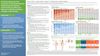
 This study demonstrated that litifilimab significantly reduced disease activity in cutaneous lupus erythematosus by Week 16, with improvements most notable in sunlight-exposed skin areas.
 9 citations
,
May 2012 in “PLOS ONE”
9 citations
,
May 2012 in “PLOS ONE” This study found that integrin-linked kinase is crucial for various epidermal functions, including differentiation and barrier formation, and also plays a previously unreported role in melanocyte development and function.
April 2023 in “Journal of Investigative Dermatology” In this study, a mouse model of scarring alopecia demonstrated significantly reduced CD200R expression in affected skin, which may contribute to immune attacks on hair follicles.
40 citations
,
July 2015 in “Kidney International” This study found that blocking interleukin-3 improved lupus nephritis symptoms in MRL/Ipr mice, suggesting IL-3 may play a role in the disease's progression.
 10 citations
,
March 2015 in “Journal of dermatology”
10 citations
,
March 2015 in “Journal of dermatology” This case report describes a 12-year-old boy with severe skin scaling due to novel compound heterozygous null truncation mutations in the TGM1 gene, resulting in loss of transglutaminase 1 activity.
 April 2016 in “Journal of Investigative Dermatology”
 This study reported that the absence of Lsh in skin led to significant epidermal hyperplasia and altered gene expression, suggesting its crucial role in regulating epidermal proliferation, differentiation, and wound healing.
 11 citations
,
March 2013 in “Gene”
11 citations
,
March 2013 in “Gene” This study reported that the IL1A 4-bp indel polymorphism is associated with a reduced risk of alopecia areata in Chinese populations, possibly through miR-122 mediated regulation of IL-1α expression.
October 2025 in “Clinical and Experimental Pediatrics” In this case report and literature review, researchers identified a novel mutation in the CLDN1 gene linked to neonatal ichthyosis-sclerosing cholangitis syndrome and found that its phenotype varies widely, suggesting a multidisciplinary approach is crucial for management.
30 citations
,
August 1993 in “PubMed” This study found that IL-1 alpha inhibits the growth of cultured human hair follicles and hair fibers, suggesting a potential role in inflammatory hair loss conditions like alopecia areata.
November 2022 in “Journal of Investigative Dermatology” This study provides evidence that ILC1-like cells can induce alopecia areata in previously healthy human hair follicles, challenging the view that it is solely an autoantigen-dependent autoimmune disease.
 1 citations
,
October 2023 in “Skin research and technology”
1 citations
,
October 2023 in “Skin research and technology” This study found that line-field confocal optical coherence tomography effectively visualized key diagnostic features of classic lichen planopilaris in real time, suggesting its potential as a valuable diagnostic tool.
 May 2024 in “British journal of dermatology/British journal of dermatology, Supplement”
 The researchers reported increased ubiquitination of proteins such as the insulin receptor in CYLD cutaneous syndrome skin tumors, suggesting that CYLD dysfunction may affect protein secretion and signaling processes.
22 citations
,
May 2011 in “Molecular Biology of the Cell” In this study, gene inactivation in mouse hair follicle stem cells lacking ILK impaired wound healing by reducing their progeny’s contribution to the regenerating epidermis, but did not affect hair follicle regeneration.
3 citations
,
October 2020 in “UNC Libraries” This article discusses the SLICC's revision and validation of the ACR SLE classification criteria to enhance clinical relevance and integrate recent immunological insights, but does not report new clinical results.
 10 citations
,
May 2012 in “Cell Adhesion & Migration”
10 citations
,
May 2012 in “Cell Adhesion & Migration” This study found that ILK/ELMO2 complexes in epidermal keratinocytes are selectively activated by epidermal growth factor to induce cell migration, unlike with other growth factors.
22 citations
,
September 2014 in “JAMA dermatology” This study identified major criteria including ectodermal malformations for diagnosing ichthyosis with confetti, and revealed significant genetic variation in the disease locus within the general population.
 23 citations
,
December 2021 in “Frontiers in Immunology”
23 citations
,
December 2021 in “Frontiers in Immunology” This review discusses the significance of IL-1 family cytokines in skin inflammation and pathology, emphasizing their interactions with microbes and potential therapeutic applications, but reports no new clinical results.
3 citations
,
December 2023 in “Aging” In liver cancer cells, this study found that upregulating hsa_circ_0002980 inhibits cell proliferation, metastasis, and EMT by modulating the miR-1303/CADM2 axis, suggesting it as a potential therapeutic target.
 38 citations
,
January 2016 in “Cell Death and Disease”
38 citations
,
January 2016 in “Cell Death and Disease” This review discusses the role of the TCL1 transgenic mouse model in understanding chronic lymphocytic leukemia biology and highlights the importance of exploring new pathogenetic and therapeutic targets.
 7 citations
,
February 2023 in “Inflammation and Regeneration”
7 citations
,
February 2023 in “Inflammation and Regeneration” This study found that IL-1α promotes hair follicle regeneration and stem cell activation in an age-dependent manner by modulating inflammatory cells and oxidative stress in mice.
 June 2026 in “Strathprints: The University of Strathclyde institutional repository (University of Strathclyde)”
 In this study, researchers found that inhibiting IKKα in patient-derived CCS tumour models reduces tumour viability, supporting the potential for topical IKKα inhibitors as a treatment for CCS.
7 citations
,
May 2022 in “Cancers” This study found that UC.145 influences DKK1 methylation and Wnt signaling in gastric cancer, with implications for patient survival and its potential as a predictive biomarker.