94 citations
,
October 1994 in “The Journal of Cell Biology” This study demonstrates that overexpression of K16 in transgenic mice disrupts normal keratinization, leading to hyperkeratosis, acanthosis, and alterations in the skin's epithelial cells.
 November 2022 in “The Journal of Clinical Endocrinology and Metabolism”
 This review discusses the causes and recommended clinical investigations for postmenopausal hyperandrogenism, highlighting the role of androgen excess in symptoms like hirsutism and its association with metabolic disorders.
December 2024 in “AACE Clinical Case Reports” This study highlights a rare case of ovarian hyperthecosis in a 58-year-old postmenopausal woman, presenting with polycythemia and severe hyperandrogenism symptoms, with resolution of symptoms following laparoscopic bilateral oophorectomy.
 July 2016 in “Reumatología Clínica (English Edition)”
 This review discusses the wide range of physiologic skin changes during pregnancy and highlights less frequently recognized changes, based on literature from the past decade, without reporting new clinical results.
 May 2021 in “Journal of the Endocrine Society”
 This case report describes a 48-year-old woman with a history of PCOS and chemotherapy-induced menopause who was found to have a rare ovarian steroid cell tumor causing postmenopausal hyperandrogenism.
 January 2023 in “Open Journal of Endocrine and Metabolic Diseases”
 This study in Senegal reported that among women with hyperandrogenism, the primary diagnosis was polycystic ovarian syndrome, with symptoms including hirsutism, menstrual disorders, and acne.
 June 2022 in “Indian journal of clinical and experimental opthalmology”
 This case report details the ocular complications of Hutchinson-Gilford Progeria syndrome in a 20-year-old Bangladeshi patient, highlighting symptoms like dry eyes, Meibomian gland dysfunction, and cataracts.
 4 citations
,
January 2018 in “JEADV. Journal of the European Academy of Dermatology and Venereology/Journal of the European Academy of Dermatology and Venereology”
4 citations
,
January 2018 in “JEADV. Journal of the European Academy of Dermatology and Venereology/Journal of the European Academy of Dermatology and Venereology” Panitumumab can cause excessive ear hair growth.
3 citations
,
February 2015 in “Mechanisms of development” This study observed that areola formation in mice requires exposure to pregnancy hormones and mechanical strain, beyond individual stimuli like hormonal milieu or strain alone.
 November 2022 in “Journal of the Endocrine Society”
 This clinical case report identifies xanthomatous hypophysitis in a male patient, highlighting the mismatch between clinical symptoms and MRI findings, which led to a pituitary biopsy and accurate diagnosis instead of unnecessary surgery.
17 citations
,
July 1984 in “British journal of dermatology/British journal of dermatology, Supplement” This study describes a distinctive form of ichthyosis characterized by abnormal epidermal differentiation mainly within hair follicles in four patients with congenital follicular hyperkeratosis.
13 citations
,
November 1995 in “European Archives of Oto-Rhino-Laryngology”  34 citations
,
December 2009 in “The International Journal of Developmental Biology”
34 citations
,
December 2009 in “The International Journal of Developmental Biology” In this study, thymosin beta4 over-expression in transgenic mice was linked to accelerated hair growth and abnormal tooth development, suggesting roles in hair and tooth physiology.
1 citations
,
August 2025 in “Annals of Otology Rhinology & Laryngology” In this study, patients with chronic otitis media who underwent tympanoplasty and were treated with growth factor concentrate exhibited significantly lower rates of residual perforation and reperforation compared to those receiving topical steroids and antibiotics, although improvements in auditory outcomes were not significantly different.
In this study, isotretinoin treatment in young male Wistar rats was associated with delayed ossification, supporting earlier reports of potential bone malformations from the drug.
 October 2024 in “Journal of the Endocrine Society”
 This study examined a case of postmenopausal virilization in a woman and found that despite normal imaging, bilateral salpingo-oophorectomy revealed rare ovarian Leydig cell and Brenner tumors as the source of hyperandrogenism, with symptoms resolving post-surgery.
6 citations
,
October 2022 in “Frontiers in Oncology” This review discusses surgical approaches and new advancements in sternum reconstruction, emphasizing innovative techniques and materials, but reports no new clinical results.
 31 citations
,
December 2010 in “Journal of the American Academy of Dermatology”
31 citations
,
December 2010 in “Journal of the American Academy of Dermatology” This study reports that structural abnormalities in the inner root sheath of hair follicles may cause the hair shaft to be loosely attached in patients with loose anagen hair syndrome.
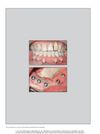 June 2017 in “International Journal of Periodontics & Restorative Dentistry”
 This study found that using retroauricular full-thickness skin grafts in vestibuloplasty contributed to successful cosmetic and functional outcomes in dental implant rehabilitation for patients with mandibular gunshot injuries.
694 citations
,
April 2000 in “Nature genetics” This study found that Msx2-deficient mice exhibit skull and bone formation defects similar to those seen in human MSX2-related conditions, highlighting the gene's importance in skeletal and organ development.
7 citations
,
January 2022 in “Case Reports in Endocrinology” This case series observed that ovarian hyperthecosis can manifest with hyperandrogenism and insulin resistance in postmenopausal women, even when serum testosterone levels are below diagnostic thresholds, suggesting potential gaps in current diagnostic criteria.
 October 2024 in “Journal of the Endocrine Society”
 This clinical case study reports on a postmenopausal woman experiencing hair loss and virilization symptoms, which were ultimately attributed to rare ovarian tumors identified after a bilateral salpingo-oophorectomy, despite normal imaging results.
 January 2025 in “Turkiye Klinikleri Journal of Ophthalmology”
 This study of pilomatrixoma cases in children reveals that these benign tumors typically present as painless masses under the eyebrow and can be effectively treated with surgical excision, though rare rapid growth may occur.
3 citations
,
December 2013 in “American Journal of Dermatopathology” This case report describes a unique lesion in a 10-month-old girl, characterized by increased eccrine glands and hair follicles, leading to the proposed term "hybrid eccrine gland and hair follicle hamartoma".
 3 citations
,
December 2019 in “Journal of Dermatological Treatment”
3 citations
,
December 2019 in “Journal of Dermatological Treatment” This study observed that adult female acne may be associated with hyperandrogenic features and polycystic ovary syndrome, though routine hormonal tests often do not show abnormalities other than PCOS.
 9 citations
,
November 2019 in “Cell calcium”
9 citations
,
November 2019 in “Cell calcium” This study found that a mutation causing Stormorken syndrome in mice led to skeletal abnormalities and unusual hair growth, showcasing the STIM1 R304W protein’s role in bone development and cell fate.
 7 citations
,
October 2019 in “Case reports in endocrinology”
7 citations
,
October 2019 in “Case reports in endocrinology” This case report describes a woman with hyperandrogenism and menstrual disturbances, where an ovarian steroid cell tumor was identified and removed, leading to resolution of symptoms.
April 2026 in “Almanac of Clinical Medicine” In this study, pemphigus vulgaris patients treated with high-dose prednisolone developed symptoms similar to those seen in corticosteroma, such as weight gain and muscle weakness, with increased risks of arterial hypertension and glucose metabolism disorders after 6 months of therapy.
 May 2017 in “DOAJ (DOAJ: Directory of Open Access Journals)”
 This study describes a postmenopausal woman's diagnosis with ovarian hyperthecosis, confirmed by a GnRHa test normalizing testosterone, highlighting hormone therapy as a therapeutic option when surgery is not feasible.
December 2021 in “OPAL (Open@LaTrobe) (La Trobe University)” This study found that BBS7 is crucial for maintaining Sonic hedgehog signaling activity and periodontal ligament homeostasis, with changes in gene expression observed in occlusal hypofunctional PDL.