 47 citations
,
May 2020 in “Cardiovascular Research”
47 citations
,
May 2020 in “Cardiovascular Research” This review explores how sex differences influence the pathophysiology, incidence, and treatment outcomes of ischaemic heart disease, and emphasizes the need for more sex-specific research.

This study used an ex vivo human skin model to show that tropical conditions disrupt skin homeostasis, resulting in epidermal thickening and junctional flattening, and found that Kombucha tea extract may help preserve skin structure under such stress.
1 citations
,
October 2025 in “Frontiers in Cardiovascular Medicine” This review examines AAS-related deaths and finds that anabolic-androgenic steroid abuse may lead to severe cardiac abnormalities, contributing to fatal arrhythmias and sudden cardiac death in young athletes and bodybuilders.
 49 citations
,
February 2009 in “Maturitas”
49 citations
,
February 2009 in “Maturitas” This review discusses the use of testosterone therapy for low libido in women, noting mixed evidence on breast cancer risk and a lack of long-term safety data.
March 2020 in “The Egyptian Journal of Histology” This study found that topical olive oil may protect mice skin from damage caused by electromagnetic radiation, particularly when applied before exposure, by mitigating oxidative, inflammatory, and heat shock stress factors.
 4 citations
,
October 2022 in “American journal of physiology. Heart and circulatory physiology”
4 citations
,
October 2022 in “American journal of physiology. Heart and circulatory physiology” This study found that in patients with severe aortic valve stenosis, higher serum dihydrotestosterone levels were associated with increased myocardial hypertrophy, fibrosis, and reduced left ventricular function.
September 2025 in “Journal of Veterinary Cardiology” This study observed that a 13-month-old cat experienced transient myocardial thickening and congestive heart failure episodes likely due to minoxidil intoxication, coinciding with contact with a family member using the drug, suggesting environmental exposure may trigger cardiac events in pets.
 1 citations
,
March 2023 in “Frontiers in Cardiovascular Medicine”
1 citations
,
March 2023 in “Frontiers in Cardiovascular Medicine” A specific gene variant is linked to heart disease, increased heart muscle, curly hair, and thick skin on palms and soles.
 April 2023 in “The journal of investigative dermatology/Journal of investigative dermatology”
 This study found that deleting Ube2n in adult mouse skin leads to inflammation and other skin changes, and identifies IRAK1/4 as potential treatment targets for inflammatory skin disorders.
28 citations
,
March 2020 in “Journal of ethnopharmacology” This study found that ginsenoside Rb1 treatment significantly reduced aging symptoms in mice by regulating cell cycle and apoptotic pathways, potentially linked to metabolic changes.
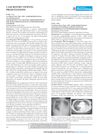 May 2025 in “The Journal of Rheumatology”
 This case report describes a 47-year-old woman with dilated cardiomyopathy as the first sign of primary antiphospholipid syndrome, highlighting the need for APS screening in similar patient presentations.
 January 2021 in “ABC Heart Failure & Cardiomyopathy”
 This case report describes a 90-year-old man diagnosed with wild-type transthyretin cardiac amyloidosis, confirmed by pyrophosphate cardiac scintigraphy and exclusion of gene mutations.
 59 citations
,
November 2010 in “Circulation Research”
59 citations
,
November 2010 in “Circulation Research” This review discusses the potential role of Wnt signaling in aging-related heart diseases and reports no clinical results.
 40 citations
,
August 2010 in “Archives of dermatology”
40 citations
,
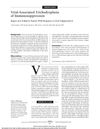
August 2010 in “Archives of dermatology” This case report describes the youngest known patient with viral-associated trichodysplasia of immunosuppression, where systemic valganciclovir therapy improved facial papule eruptions following cardiac transplantation.
 March 2011 in “Focus on surfactants”
 Several companies launched new hair care ingredients in 2011 to improve conditioning, color retention, combability, and heat protection.
 January 2008 in “Springer eBooks”
 Thyroid hormone may be useful for treating various skin conditions and needs more research.
 52 citations
,
February 2018 in “Diabetology & Metabolic Syndrome”
52 citations
,
February 2018 in “Diabetology & Metabolic Syndrome” This review discusses the association between various skin conditions and metabolic syndrome, reporting no new clinical results but suggesting a potential reciprocal relationship that warrants further investigation.
 38 citations
,
February 2009 in “Journal of The European Academy of Dermatology and Venereology”
38 citations
,
February 2009 in “Journal of The European Academy of Dermatology and Venereology” This study found that patients with severe vertex pattern androgenetic alopecia had significantly higher carotid intima-media thickness, suggesting an increased risk of subclinical atherosclerosis compared to other alopecia patterns and healthy controls.
 34 citations
,
November 2010 in “Development”
34 citations
,
November 2010 in “Development” In this study, epidermal Notch activation increased jagged 1 expression, leading to skin changes like thickening and blistering, with these effects inhibited when jagged 1 was absent.
 21 citations
,
July 2014 in “Clinics in Dermatology”
21 citations
,
July 2014 in “Clinics in Dermatology” This review examines the role of hormones in acne pathogenesis, the use of hormonal therapies for treatment, and the importance of contraceptive counseling during isotretinoin therapy, but reports no new clinical results.
4 citations
,
May 2022 in “International journal of molecular sciences” This study found that heat-killed Enterococcus faecalis EF-2001 promoted hair regrowth in mice, likely by increasing the expression of growth factors and marker genes.
 2 citations
,
January 2000 in “Journal of Toxicologic Pathology”
2 citations
,
January 2000 in “Journal of Toxicologic Pathology” This study identified a single autosomal recessive gene responsible for hypotrichosis in a mutant rabbit strain, affecting hair growth and causing epidermal and hair follicle abnormalities.
 November 2023 in “The Bovine practitioner”
 In this study, a 5-year-old Angus bull experienced systemic granulomatous disease and vasculitis potentially associated with grazing on hairy vetch, but other bulls in the same pasture showed no symptoms, suggesting variability in disease manifestation from similar exposures.
 96 citations
,
January 1997 in “Clinics in Dermatology”
96 citations
,
January 1997 in “Clinics in Dermatology” This study found that G protein-coupled estrogen receptor enhances melanin synthesis in melanoma cells through cAMP-PKA-MITF-TYR signaling, suggesting its potential as a drug target for chloasma treatment.
 49 citations
,
December 2009 in “Journal of Investigative Dermatology”
49 citations
,
December 2009 in “Journal of Investigative Dermatology” This review explores the complex relationship between thyroid hormones and skin, discussing potential mechanisms and known interactions but reports no new clinical results, emphasizing the need for further research.
 20 citations
,
July 2006 in “Veterinary dermatology”
20 citations
,
July 2006 in “Veterinary dermatology” This study found that hair regrowth in Pomeranians with hair cycle arrest treated with melatonin was not associated with a change in oestrogen receptor-α staining.
 16 citations
,
April 2021 in “International Journal of Molecular Sciences”
16 citations
,
April 2021 in “International Journal of Molecular Sciences” This study found that micro-current electrical stimulation may promote hair growth in human hair follicle-derived papilla cells and a mice model by enhancing cell proliferation, migration, and activating key growth pathways.
 9 citations
,
August 2017 in “Photochemistry and Photobiology”
9 citations
,
August 2017 in “Photochemistry and Photobiology” This study found that isolated red light may serve as an alternative for photo-immunotherapy without additional photosensitizers, as it did not reduce keratinocyte differentiation markers or increase photo-oxidative damage, unlike treatment with IL-4 or UVA1/blue light.
 6 citations
,
November 2018 in “Histochemistry and Cell Biology”
6 citations
,
November 2018 in “Histochemistry and Cell Biology” This study observed that gerbils exhibit a different wound healing mechanism compared to mice, with lower TGF-B1 expression and distinct tissue responses, yet achieve similar healing outcomes.
 5 citations
,
June 2022 in “Frontiers in veterinary science”
5 citations
,
June 2022 in “Frontiers in veterinary science” This review discusses the impact of sarcoptic mange on wombats and evaluates antiparasitic drugs like ivermectin, moxidectin, and fluralaner for treating the disease, but it presents no new clinical results.