 November 2009 in “Reactions Weekly”
 Two women lost hair after mesotherapy for hair loss, with one having permanent and the other temporary hair loss.
This article discusses how translation errors can distort clinical research documents using a method similar to the "telephone" game, and reports no new results.
July 1974 in “Archives of Dermatology” This case report details the lack of confluent repigmentation in an 8-year-old girl with vitiligo after three years of trioxsalen and ultraviolet light treatment.
 March 2025 in “Journal of Controlled Release”
 This study found that a biocomposite microneedle system, which includes selenium nanozyme and hypoxic extracellular vesicles, enhanced hair density and follicle diameter in androgenetic alopecia mice by fighting inflammation, promoting blood vessel growth, reducing reactive oxygen species, and counteracting androgen effects.
 March 2024 in “Journal of Natural Remedies”
 In this study, an 18-year-old boy with alopecia areata successfully experienced normal and healthy hair regrowth after 4 months using microneedling with cupping, alongside internal herbal medication and topical oil application, as a cost-effective and less invasive alternative to high-cost hair treatments and transplantation.
 October 2023 in “Deleted Journal”
 In this study, the researchers found that using computers and modern technologies can aid smoking cessation efforts, highlighting that smoking cessation medications and informed awareness can help reduce smoking and its associated harms, which include severe health risks like cancer and heart disease.
 January 2023 in “Journal of Cosmetic Dermatology”
 This case series reports on three school-aged children developing alopecia areata shortly after COVID-19 infection, suggesting a potential association between the virus and this autoimmune hair loss condition.

This chapter provides an overview of terminology for various skin lesions, including primary and secondary types, but does not report new findings or results.
 March 2012 in “Journal of The American Academy of Dermatology”
 In this study, white females with Ludwig I female pattern hair loss had significantly higher hair density on the occipital scalp area, while Asian females had significantly thicker hair diameters in both frontal and occipital areas.
 March 2012 in “Journal of The American Academy of Dermatology”
 This study found that white females with female pattern hair loss had higher hair density in the occipital scalp area, while Asian females had thicker hair diameters in both frontal and occipital areas.
 April 2006 in “Current Opinion in Endocrinology & Diabetes”
 This review discusses the potential benefits and adverse effects of testosterone therapy in women with androgen insufficiency, and highlights the need for further research on its long-term safety and effectiveness.
 January 2025 in “Journal of Cutaneous Medicine and Surgery”
 In this clinical trial, adding topical calcipotriol to intralesional triamcinolone acetonide significantly increased hair regrowth efficacy in scalp alopecia areata patches compared to steroids alone, but not in beard patches, with a lower incidence of atrophy observed.
January 2022 in “Skin Appendage Disorders” This case report describes areata-like lupus in a 63-year-old woman, characterized by nonscarring patchy alopecia similar to alopecia areata, without meeting systemic lupus erythematosus criteria.
January 2022 in “Menoufia Medical Journal” This study observed that obesity in Egyptian patients is associated with various skin disorders, including acne and stretch marks, with variations in prevalence between females and males.
 January 2022 in “International journal of research in medical sciences and technology”
 This review discusses the Ayurvedic perspective on seborrheic dermatitis, proposing Panchkarma and shamana chikitsa as potential management strategies but does not report specific treatment outcomes or effectiveness.
 May 2021 in “Journal of the Endocrine Society”
 This case report details a diagnosis of adult-onset isolated hypogonadotropic hypogonadism in a 23-year-old African American female, highlighting its genetic basis and treatment approach.
April 2021 in “Cermin Dunia Kedokteran” This study reports improvement in tinea capitis symptoms in two siblings after two months of treatment with ketoconazole lotion and shampoo, following initial findings of M. canis and Rhodotorulla infections.
 January 2021 in “Acta Scientiae Veterinariae”
 In this study, researchers observed that administering the minimum dose of levothyroxine to a hypothyroid Dalmatian effectively restored normal skin condition and hormonal levels, suggesting levothyroxine's potential effectiveness in managing skin changes caused by hypothyroidism in dogs.
March 2020 in “QJM: An International Journal of Medicine” This study found that intradermal minoxidil 5% alone and with intralesional triamcinolone acetonide significantly reduced alopecia areata dermoscopic findings, while standard intralesional corticosteroids remain the main first-line treatment for patchy alopecia with less than 50% scalp involvement.
 September 2019 in “Journal of evolution of medical and dental sciences”
 In this study of patients with obesity, the most common skin disorders observed were acanthosis nigricans, skin tags, and stretch marks, emphasizing the impact of obesity on dermatological health.
 March 2017 in “BIRDEM Medical Journal”
 This report discusses two cases of sarcoidosis with cutaneous manifestations that posed a diagnostic challenge, without presenting new clinical results.
 March 1985 in “Inpharma (Balgowlah)”
 Minoxidil helps 32% of patients with hereditary baldness regrow hair.
August 2026 in “Journal of Ayurveda and Integrated Medical Sciences” This case study of a 43-year-old woman with primary hypothyroidism found that an integrated Ayurvedic treatment over 20 weeks led to normalized thyroid function and relief of hypothyroid symptoms, highlighting Ayurvedic therapy's potential role in managing the condition.
 January 2026 in “Zenodo (CERN European Organization for Nuclear Research)”
 This case report describes a 33-year-old male with treatment-resistant psoriasis who experienced complete resolution of symptoms and hair regrowth after following an integrated Shodhana-Shamana chikitsa regimen, with no relapse noted at follow-up, suggesting its potential for sustainable Ekakustha management.
 January 2026 in “Zenodo (CERN European Organization for Nuclear Research)”
 This case report observed that an integrated Shodhana-Shamana treatment protocol effectively managed treatment-resistant Ekakustha (plaque psoriasis), resulting in complete symptom resolution and no relapse at follow-up.
11 citations
,
May 2011 in “The Journal of Dermatology” This case report describes a possible association between Vogt-Koyanagi-Harada disease and linear IgA/IgG bullous dermatosis in a 35-year-old Japanese male, though coincidence cannot be ruled out.
 February 2026 in “International Journal of Science and Research (IJSR)”
 This case report describes an 18-year-old female with alopecia areata who experienced hair regrowth within seven days following Prachana Vidhi treatment in an Ayurvedic setting, suggesting this approach may offer effective results for patchy hair loss.
 February 2024 in “Journal of Cosmetic Dermatology”
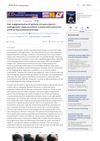
 White hair patch repigmented and hair regrew in a balding patient after treatment with exosomes and laser.
 148 citations
,
December 2018 in “Journal of autoimmunity”
148 citations
,
December 2018 in “Journal of autoimmunity” This review discusses genetic and environmental factors contributing to autoimmunity in alopecia areata and reports no new clinical findings, emphasizing the need for further study on its aetiology and pathophysiology.
 72 citations
,
February 2011 in “The American Journal of Dermatopathology”
72 citations
,
February 2011 in “The American Journal of Dermatopathology” This study found that anti-TNF therapy-induced alopecia exhibits distinct clinical and histopathological features and can mimic psoriatic alopecia and alopecia areata, with some patients improving with topical treatment.