3 citations
,
April 2016 in “Clinical and Experimental Obstetrics & Gynecology” This study suggests that young female athletes, especially those with lower BMI, should be informed about the risk of menstrual irregularity associated with excessive sports activity.
 June 2026 in “Current Oncology Reports”
 This review highlights the potential of Sacituzumab Tirumotecan, an antibody-drug conjugate, in treating gynecologic cancers, with ongoing Phase III trials indicating a manageable safety profile and future results expected to shed light on its effectiveness in improving survival and response rates.
 October 2025 in “World Journal of Biology Pharmacy and Health Sciences”
 This review highlights the role of sex hormones in skin health, observing that hormonal changes throughout a woman's life can affect skin conditions such as acne and hair loss, with treatments involving hormonal therapies and the importance of a multidisciplinary approach.
 October 2025 in “Zenodo (CERN European Organization for Nuclear Research)”
 This source reviews the influence of sex hormones on skin health, detailing how hormonal fluctuations impact dermatological conditions throughout a woman's life and highlighting the necessity for integrated dermatological, gynecological, and endocrine care alongside mental health support to address these conditions' physical and psychological effects.
 October 2025 in “Zenodo (CERN European Organization for Nuclear Research)”
 This review describes how sex hormones like estrogens and androgens influence skin health, linking hormonal fluctuations to conditions such as acne and hair loss, and underscores the importance of a multidisciplinary approach to treatment that includes mental health support.
 August 2018 in “Current opinion in gynecology and obstetrics”
 This review discusses transgender healthcare needs in gynecology, including creating a welcoming clinic environment and understanding treatments, but it reports no new clinical findings.
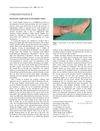 May 2002 in “British Journal of Dermatology”
 A pregnant woman's skin condition improved after giving birth, possibly due to high estrogen levels during pregnancy.
 March 1965 in “Hospital Topics”
 Chemotherapy provides symptom relief and extends life in 30-50% of gynecological cancer cases, but has only cured choriocarcinoma.
 1 citations
,
February 2021 in “International journal of reproduction, contraception, obstetrics and gynecology”
1 citations
,
February 2021 in “International journal of reproduction, contraception, obstetrics and gynecology” This study found a 6.11% prevalence of polycystic ovary syndrome among gynecology out-patients, noting that obese women with PCOS had more severe ovulatory dysfunction.
 1 citations
,
October 2015 in “Journal of endocrinology and diabetes”
1 citations
,
October 2015 in “Journal of endocrinology and diabetes” This review discusses the diagnostic criteria and challenges in recognizing polycystic ovary syndrome, noting varied phenotypes and the absence of consensus on renaming the condition; it reports no new findings.
1 citations
,
January 2004 in “Linchuang pifuke zazhi” This case report describes a 23-year-old man experiencing painful gynecomastia aggravated by low dose finasteride for androgenetic alopecia, which reversed after stopping the medication.
 September 2025 in “Journal of the American Academy of Dermatology”
 Using 5α-reductase inhibitors for hair loss in women doesn't increase cancer risk.
 July 2025 in “Indus journal of bioscience research.”
 This study found that women with polycystic ovary syndrome showed significant differences in clinical symptoms, hormone levels, and ovarian morphology compared to healthy controls, such as higher body mass index, menstrual irregularities, elevated luteinizing hormone, and polycystic ovarian morphology, suggesting these factors enhance diagnostic accuracy.

This book reviews evidence-based medicine practices in obstetrics and gynecology but reports no new clinical findings.
 16 citations
,
May 2020 in “Frontiers in pharmacology”
16 citations
,
May 2020 in “Frontiers in pharmacology” This study found that minoxidil stimulates the Kir6.2/SUR2 potassium channel, leading to tumor growth arrest in an ovarian cancer xenograft model by disrupting mitochondrial function and inducing cell death.
7 citations
,
April 2000 in “Archives of Pathology & Laboratory Medicine” This case report documents the first observed cytologic changes, specifically cytoplasmic vacuolization, in finasteride-associated gynecomastia, which should not be misinterpreted as evidence of malignancy.
7 citations
,
April 2000 in “Archives of Pathology & Laboratory Medicine” This case report describes the first observed cytologic changes in gynecomastia associated with finasteride therapy, emphasizing that cytoplasmic vacuolization should not be mistaken for malignancy.
 5 citations
,
April 2013 in “Current Problems in Pediatric and Adolescent Health Care”
5 citations
,
April 2013 in “Current Problems in Pediatric and Adolescent Health Care” This review discusses the prevalence and management of polycystic ovary syndrome in women, particularly noting gaps in understanding its presence in adolescents, and reports no new clinical findings.
 3 citations
,
September 2022 in “Cureus”
3 citations
,
September 2022 in “Cureus” This review discusses the various applications of platelet-rich plasma in gynecology but presents no new experimental findings; the authors highlight its potential in managing conditions like Asherman’s syndrome and urinary incontinence.
 March 2026 in “Scientific Reports”
 This study found that scalp cooling significantly improved hair preservation and reduced psychological distress in gynecologic cancer patients undergoing chemotherapy compared to usual care.
 May 2024 in “Journal of drug delivery and therapeutics”
 This study found that women with polycystic ovarian syndrome at a gynecology clinic in Nnewi exhibited significant oxidative stress and hormonal imbalances compared to controls.
 November 2021 in “World Family Medicine Journal /Middle East Journal of Family Medicine”
 In this study, 9% of gynecological cancer patients undergoing chemotherapy at a Saudi Arabian hospital contracted COVID-19, and patients with recurrent disease showed higher COVID-19 incidence and mortality.
 1 citations
,
November 2019 in “Archives of breast cancer”
1 citations
,
November 2019 in “Archives of breast cancer” This review discusses non-oral hormonal contraceptives and other exogenous steroid hormones, reporting they are generally safe for temporary use in women without breast cancer, but data are limited.
May 2024 in “Journal of clinical medicine” This review assessed the safety of oral antiandrogen treatments for female androgenetic alopecia, finding spironolactone to be potentially safe even in high-risk populations, but indicated ongoing uncertainty regarding other medications, especially for patients with a history of gynecologic cancers.
 March 2024 in “Research Square (Research Square)”
 In this study, scalp cooling therapy was found to be well tolerated and effective at improving hair preservation for Asian women with breast or gynecological cancers undergoing certain chemotherapy regimens, particularly weekly paclitaxel, compared to historical controls.
233 citations
,
March 2009 in “Journal of Clinical Oncology” In this study, among patients undergoing chemotherapy for breast or gynecologic cancers, smell and taste functions significantly decreased but largely recovered three months post-treatment, with taxane-based regimens causing more severe taste disturbances.
 1 citations
,
January 2017 in “Indian Journal of Pharmaceutical Sciences”
1 citations
,
January 2017 in “Indian Journal of Pharmaceutical Sciences” This study found that women with polycystic ovary syndrome in South India had higher body mass index, waist/hip ratio, and elevated levels of several hormones compared to controls, and waist/hip ratio may be a better risk indicator than body mass index.
May 2026 in “International Journal of Pharmaceutical Quality Assurance” This study reported that among 95 women with polycystic ovarian syndrome at a tertiary care hospital in India, menstrual irregularities were the most common issue, affecting 86.3% of participants, with many also experiencing hyperandrogenic symptoms, obesity, and infertility.
 January 2024 in “Epidemiology international journal”
 This study observed a 19.7% prevalence of polycystic ovarian syndrome among Afro-Caribbean women in Tobago, a rate higher than that reported in North American studies.
January 2024 in “Journal of Health Study and Medicine” This review discusses the types, preparation, and current applications of platelet-rich plasma in medicine, particularly focusing on its use in gynecology and obstetrics, but presents no new clinical results.