19 citations
,
September 2007 in “The Journal of Steroid Biochemistry and Molecular Biology” Glucocorticoid receptors help regulate genes important for skin health and hair growth.
 February 2024 in “Experimental Dermatology”
 In this study, researchers found that IGFBP‐rP1 levels were lower in individuals with androgenic alopecia compared to healthy controls, and subcutaneous injection of IGFBP‐rP1 showed potential in slowing hair loss progression in a mouse model by affecting the hair cycle transition.
 24 citations
,
July 1994 in “Molecular Endocrinology”
24 citations
,
July 1994 in “Molecular Endocrinology” Researchers found an RNA transcript that might help control a growth factor linked to tumor development.
 March 2026 in “Zenodo (CERN European Organization for Nuclear Research)”
 This publication presents a library of precision geometric medicines that reportedly kill harmful bacteria and fungi while sparing beneficial organisms, using a delivery system that targets pathogens specifically and avoids ecological harm.
1 citations
,
January 2019 in “Journal of Research in Medical Sciences” This study found that a lower number of GGC sequences in the androgen receptor gene was associated with better clinical response to finasteride in male androgenetic alopecia patients.
 June 2026 in “arXiv (Cornell University)”
 This study proposes a new test for genome-wide association studies that incorporates Hardy-Weinberg equilibrium into SNP analysis, demonstrating improved power and interpretability over traditional methods, as evidenced by simulations and an alopecia study dataset.
August 2026 in “Prostaglandins & Other Lipid Mediators” This review suggests that imbalance in prostaglandin levels may contribute to androgenetic alopecia, highlighting prostaglandins as potential biomarkers and therapeutic targets for the condition.
 291 citations
,
April 2010 in “Gastroenterology”
291 citations
,
April 2010 in “Gastroenterology” This study identified Lgr5 and Lgr6 as receptors expressed by small populations of stem cells in various adult organs, with Lgr5+ve cells forming long-lived organoids in certain mouse models.
 41 citations
,
October 2011 in “Clinical and Experimental Dermatology”
41 citations
,
October 2011 in “Clinical and Experimental Dermatology” This meta-analysis suggests that the G allele of AR StuI polymorphism might be a potential risk factor for AGA, particularly in white populations.
 September 2009 in “European Urology Supplements”
 This study demonstrates that a new Adaptive Modulation and Coding method can improve control performance in Communication-Based Train Control systems using WLAN by reducing average delay through effective transmission mode selection.
March 2017 in “Zenodo (CERN European Organization for Nuclear Research)” This study found that probiotics, specifically the L. plantarum MTCC 1325 strain, may have protective effects against Alzheimer's-like symptoms induced by D-Galactose in animal models, suggesting potential therapeutic use for neurodegenerative disorders.
October 2025 in “Journal of the Endocrine Society” In this case study, a 68-year-old woman with hyperandrogenism and presumed ovarian origin responded well to GnRH agonist therapy, normalizing testosterone levels and stabilizing blood pressure, suggesting its effectiveness as a non-surgical treatment option.
 October 2024 in “SPIRE - Sciences Po Institutional REpository”
 This study highlights that human hair follicle dermal papilla cells and glypicans play crucial roles in regulating hair follicle stem cell differentiation.
 June 2024 in “Da liễu học”
 This source does not report results but describes a project by the European Dermatology Forum to create evidence-based treatment guidelines for androgenetic alopecia, aiming to help dermatologists choose effective and safe treatments for patients.
43 citations
,
September 2009 in “Stem Cells” This study reported that GFP labeling driven by the K15 promoter enables visualization and selection of stem cells in adult human scalp hair follicles for further analysis and manipulation.
March 2026 in “Stem Cell Reviews and Reports”  July 2023 in “Journal of Cosmetic Dermatology”
 This study investigated AGA professionals' perspectives and found that 42% were misled by commercial influences, underestimated these biases' extent, and faced ethical challenges in treatment due to societal pressures and misinformation, highlighting a need for evidence-based guidance and research scrutiny tools.
June 2003 in “Faculty Opinions – Post-Publication Peer Review of the Biomedical Literature” GLABRA2 represses root hair formation by inhibiting a specific gene.
 10 citations
,
June 2021 in “Primates”
10 citations
,
June 2021 in “Primates” This study found that wild geladas in Ethiopian crop areas experienced higher levels of human disturbance and health issues, such as increased parasitic infections, compared to those in pasture areas.
 April 2018 in “Journal of Investigative Dermatology”
 This study found distinct gene expression profiles in the parietal and occipital scalp of individuals with androgenetic alopecia, linked to developmental origins and susceptibility to hair loss, offering insights into genetic and epigenetic factors involved in AGA.
June 2004 in “Dermatologic Surgery” This study found that the presented technique for hair restoration surgery reduces procedure time and limits damage to follicular units, achieving excellent results in creating desired hairstyles.
10 citations
,
September 2022 in “Animals” This research identified 18 significant SNPs and several candidate genes associated with udder conformation traits in Holstein cattle, providing insights into their genetic architecture.
85 citations
,
March 2008 in “Journal of Cell Science” This study created transgenic mouse models with the LMNA gene mutation common in Hutchinson-Gilford progeria syndrome, revealing skin and teeth abnormalities related to transgene expression levels.
 11 citations
,
July 2017 in “Expert Opinion on Investigational Drugs”
11 citations
,
July 2017 in “Expert Opinion on Investigational Drugs” This review discusses current and emerging therapeutic strategies for androgenetic alopecia, noting limited evidence but suggesting areas such as prostaglandin analogs, PRP, and progenitor cell therapies as promising future directions.
 February 2024 in “Plant Cell Reports”
 This study found that the retromer protein AtVPS29 in Arabidopsis plants modulates gibberellin signaling by upregulating the SLY1 protein and downregulating the RGA protein, ultimately enhancing the development of the root meristematic zone.
 November 2025 in “PARIPEX-INDIAN JOURNAL OF RESEARCH”
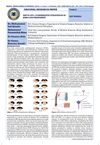
 GFC is more effective than PRP for treating hair loss.

This case series reports favorable outcomes for children with Parry Romberg Syndrome who underwent facial fat-grafting, showing it as a safe and well-tolerated procedure with no complications or relapses observed.
August 2020 in “Research Square (Research Square)” This study found that PD-MSCs overexpressing PRL-1 inhibited adipogenesis in orbital fibroblasts from Graves' ophthalmopathy patients, potentially offering a new therapeutic approach for degenerative diseases.
 1 citations
,
January 2016 in “Asian-Australasian journal of animal sciences”
1 citations
,
January 2016 in “Asian-Australasian journal of animal sciences” In this study, the expression of Gnαs was significantly higher in black mice compared to white mice, suggesting its potential involvement in coat color formation in mice.