9 citations
,
January 1997 in “Horticultura: Revista de industria, distribución y socioeconomía hortícola: frutas, hortalizas, flores, plantas, árboles ornamentales y viveros” In this study, researchers found that the transcriptional program regulated by PRC2 is not necessary for maintaining hair follicle stem cell quiescence and hair regeneration in vivo.
 March 2026 in “Zenodo (CERN European Organization for Nuclear Research)”
 This source describes a collection of geometric medicine formulations aimed at comprehensive hair restoration and permanent hair removal, with claimed simulation results indicating complete baldness reversal and effective hair removal, but results are sourced from theoretical and simulation-based findings without reported clinical trials.
 160 citations
,
January 2009 in “Clinical Drug Investigation”
160 citations
,
January 2009 in “Clinical Drug Investigation” This study found that the HairMax LaserComb® significantly increased hair density and was safe and well tolerated for treating androgenetic alopecia in men compared to a sham device.
 December 2025 in “International Journal of Surgery”
 In this study, researchers identified a causal link between Epstein-Barr virus infection and clear cell renal cell carcinoma, highlighting GBP1 as a key target and suggesting finasteride as a potential inhibitor, offering a new direction for treatment strategies.
July 2025 in “Anais Brasileiros de Dermatologia” The Brazilian version of the Alopecia Areata Quality of Life Index is reliable for assessing patients' quality of life.
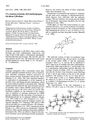 December 1998 in “Acta Crystallographica Section C-crystal Structure Communications”
 This study describes the molecular conformation and intermolecular interactions in the crystalline structure of the compound C24H31BrO4.
November 2009 in “Universiti Putra Malaysia Institutional Repository (Universiti Putra Malaysia)” This invention describes a composition made from seaweed and plant extracts purposed for enhancing hair growth and preventing baldness, but reports no clinical findings.
 December 2024 in “Jurnal Syntax Admiration”
 This study found that MOOEW Hair Tonic had a Return of Investment of over 100%, indicating significant potential for profitable and sustainable business opportunities.
 November 1998 in “Hair transplant forum international”
 This article discusses recent advancements in hair restoration techniques, focusing on optimizing efficiency for megasession procedures, and reports no new experimental results.
 7 citations
,
May 2011 in “Hair transplant forum international”
7 citations
,
May 2011 in “Hair transplant forum international” This report presents no new clinical results; it discusses the application of ACell MatriStem™, a porcine urinary bladder-derived extracellular matrix, in wound healing.
6 citations
,
January 2020 in “Open Journal of Psychiatry” This study concludes that the Greek version of the Dysmorphic Concern Questionnaire is a reliable and valid tool for assessing body dysmorphic disorder-related concerns in both research and clinical settings.
1 citations
,
May 2019 in “Annals of Medicine” In this study, researchers found that most food supplement labels in Portugal recommend daily mineral doses exceeding the EU's Recommended Daily Allowance, with some even surpassing the Tolerable Upper Intake Level, raising safety concerns regarding potential adverse effects.
14 citations
,
June 2021 in “British Journal of Dermatology” This article discusses the BIOMAP consortium's efforts in standardizing data for atopic dermatitis and psoriasis research to facilitate personalized medicine, but it presents no new research findings.
 January 2007 in “Universiti Putra Malaysia Institutional Repository (Universiti Putra Malaysia)”
 This study concluded that keratin-gelatin composite films were more effective than bFGF-gelatin films in promoting early and uncomplicated wound healing in dogs, observing improved epithelialization and graft acceptance.
August 2026 in “PLoS ONE” This study will evaluate the clinical efficacy, patient-reported outcomes, and economic impact of the PAXMAN® PSCS 2 automated scalp cooling system versus standard cold-cap therapy to prevent chemotherapy-induced hair loss in women with localized breast cancer during anthracycline and taxane treatment.
This study mapped the curly mutation in mice to a specific region on chromosome 11, identifying it as a candidate model for studying human genetic hair disorders.
6 citations
,
March 2024 in “Saudi Pharmaceutical Journal” This study found that a nano-cubosome formulation co-loaded with capsaicin and thiocolchicoside enhanced bioavailability and showed promising analgesic and anti-inflammatory effects in rats, potentially benefiting gout management through improved transdermal delivery.
This study found that GPC1 plays a crucial role in regulating angiogenesis in human dermal microvascular endothelial cells, which may make it a potential target in alopecia treatment research.
33 citations
,
May 2015 in “JAMA Dermatology” This study identifies comedonal or cystic fibrofolliculomas as novel diagnostic clues for earlier recognition of Birt-Hogg-Dube syndrome, potentially facilitating timely surveillance of associated systemic complications.
 June 2018 in “International Review of Intellectual Property and Competition Law”
  September 2013 in “Hair transplant forum international”
 This article discusses the increasing patient demand for hair transplantation, noting that brow hair restoration is the most requested type of surgery, but presents no new research findings.
February 2026 in “Contact Dermatitis” This study reports a case of phytodermatitis in a 58-year-old male due to exposure to Axonopus compressus, commonly known as carpet grass, during open defecation, highlighting an unusual cause of contact dermatitis linked to sanitation practices.
66 citations
,
August 2007 in “Applied and environmental microbiology” This study engineered a bioluminescent yeast strain responsive to androgenic chemicals, demonstrating rapid and sensitive detection suitable for high-throughput screening and environmental monitoring.
In this study, a novel CT@GA-gel hybrid hydrogel was developed for diabetic wound treatment, demonstrating improved mechanical properties, tissue adhesion, and chronic wound healing benefits, including immune regulation and re-epithelialization, due to enhanced crosslinking and ROS scavenging by incorporated carbon dots.
 March 1994 in “Hair transplant forum international”
 This article previews the upcoming International Society of Hair Restoration Surgery meeting in Toronto, offering no new clinical results but promising more than typical technique presentations.
June 1999 in “Connective tissue”  July 2005 in “SKINmed/Skinmed”
 This study reported that BRL 7660 significantly reduced sebum secretion and acne symptoms in human studies with topical administration, but the placebo effect and commercial pressures halted further investigations.
5 citations
,
January 2012 in “JBI Library of Systematic Reviews” This review discusses the fermented wheat germ extract Avemar as a potential adjunctive therapy in cancer treatment, noting promising laboratory results, but reports limited human trial evidence for its clinical effectiveness.
18 citations
,
July 2006 in “British Journal of Dermatology” This study reported no Cx30 expression in normal interfollicular human epidermis and minimal expression in some skin structures, with faint detection in porokeratosis of Mibelli patient skin.
 June 2019 in “Reactions Weekly”