46 citations
,
November 2019 in “Journal of Integrative Plant Biology” This study found that calmodulin 7 (CaM7) inhibits the calcium channel CNGC14 in root hairs, affecting their polar growth by controlling calcium signaling.
39 citations
,
November 2007 in “Experimental dermatology” This study found that prostaglandin receptors are widely expressed in hair follicles, suggesting a complex network of prostanoid pathways involved in hair growth control.
 6 citations
,
March 2022 in “PLoS ONE”
6 citations
,
March 2022 in “PLoS ONE” This study suggests that CGE may enhance hair growth by activating β-catenin signaling pathways in human hair dermal papilla cells and promoting the anagen growth phase in mice.
December 2019 in “Reproduction Fertility and Development” This study found that mouse embryonic fibroblasts better supported the growth and maintenance of LGR5+ epidermal stem cells compared to porcine fetal fibroblasts, under various culture conditions.
10 citations
,
December 2015 in “Experimental dermatology” This study found that in mice, EGFR activation suppresses mitotic regulators like Rcc2 and Stathmin 1, facilitating the transition to catagen in hair follicles.
 January 2008 in “US endocrinology”
 This paper describes the hGRα gene structure and its expression, focusing on the functional properties of the longest GRα isoform, but reports no new results.
 15 citations
,
August 2017 in “International Journal of Molecular Medicine”
15 citations
,
August 2017 in “International Journal of Molecular Medicine” This study reported that Panax ginseng extract significantly inhibited DKK-1-induced catagen-like changes in human hair follicles by promoting cell proliferation and reducing apoptosis, suggesting it may help mitigate hair loss associated with DKK-1.
17 citations
,
April 1997 in “American Journal of Dermatopathology” This report provides the first microscopic description of pachyonychia congenita-associated alopecia, identifying a combination of histological features that might be unique to this condition.
 May 2023 in “Journal of Pakistan Medical Association”
 This study found that women with polycystic ovary syndrome had significantly higher levels of serum and follicular fluid Gremlin-1 compared to healthy controls, suggesting potential diagnostic utility for these biomarker levels.
 13 citations
,
September 2010 in “Journal of Dermatological Science”
13 citations
,
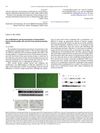
September 2010 in “Journal of Dermatological Science” Researchers made a cell line that grows quickly and can help with hair growth research.
 6 citations
,
December 2021 in “PLoS Genetics”
6 citations
,
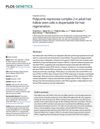
December 2021 in “PLoS Genetics” This study found that PRC2 plays a non-instructive role in adult hair follicle stem cells, with its loss not affecting quiescence or cell identity, despite upregulation of genes linked to activation.
258 citations
,
July 2005 in “Journal of lipid research” This study found that DGAT1 exhibits additional acyltransferase activities in vitro, including MGAT, wax synthase, and ARAT activities, suggesting these could be relevant to its in vivo functions.
December 2004 in “Annales d Urologie” This article examines the PCPT study on whether daily finasteride can reduce prostate cancer incidence, describing its methodology and findings but reporting no new clinical results.
 4 citations
,
June 1998 in “The Journal of Clinical Endocrinology & Metabolism”
4 citations
,
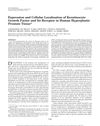
June 1998 in “The Journal of Clinical Endocrinology & Metabolism” This study found that keratinocyte growth factor is a potent mitogen in human hyperplastic prostate cells, suggesting it plays an important role in prostate growth by acting in a paracrine manner.
 36 citations
,
January 2021 in “Scientific Reports”
36 citations
,
January 2021 in “Scientific Reports” This study identified key genes and signaling pathways involved in the growth phases of Pashmina goat hair follicles, highlighting the role of several gene families and transcription factors in fiber quality and growth regulation.
 218 citations
,
October 2013 in “Proceedings of the National Academy of Sciences of the United States of America”
218 citations
,
October 2013 in “Proceedings of the National Academy of Sciences of the United States of America” This study found that removing PPARγ specifically from mouse adipose tissue led to severe fat loss, insulin resistance, diabetes, and associated metabolic abnormalities.
 1 citations
,
January 2023 in “Journal of Drugs in Dermatology”
1 citations
,
January 2023 in “Journal of Drugs in Dermatology” This review discusses Graham-Little Piccardi-Lasseur syndrome, a rare dermatosis with limited treatment options, emphasizing the importance of early diagnosis through physical exam and dermoscopy, but reports no new results.
 12 citations
,
June 2020 in “Frontiers in Cell and Developmental Biology”
12 citations
,
June 2020 in “Frontiers in Cell and Developmental Biology” This study found that the PP2A-B55α regulatory subunit is crucial for ectodermal development in mice, with knockout embryos displaying severe neural and epidermal defects and failing to survive to birth.
44 citations
,
April 2012 in “BMB Reports” This study identified several DPC-specific proteins, including ITGB1, IGFBP3, and THBS1, as potential biomarkers for hair growth modulation through proteomic and network analysis.
65 citations
,
February 2018 in “The Plant Journal” This study found that PLDζ2 and NPC4 enzymes play distinct roles in lipid remodeling and root hair growth in Arabidopsis under phosphate deficiency, influencing root hair density and length in a tissue- and time-specific manner.
 May 2025 in “Nutrition and Diabetes”
 This study found that elevated 1-hour plasma glucose in women with PCOS was associated with increased risk of metabolic disorders and gestational diabetes, indicating it may be a useful marker for adverse metabolic status.
September 2019 in “The journal of investigative dermatology/Journal of investigative dermatology” This study found that the PPARγ modulator NAC-GED-0507-Levo may protect hair follicles from chemotherapy-induced damage, potentially offering a strategy to address irreversible hair loss in cancer patients.
21 citations
,
August 2007 in “Experimental Dermatology” This study found that mice genetically modified to overexpress the serine protease inhibitor hurpin showed reduced UV-induced apoptosis but increased susceptibility to skin cancer after chemical carcinogenesis.

CaBP1 and 2 are important for maintaining the activity of calcium channels necessary for hearing in inner ear cells.
 73 citations
,
April 2013 in “Stem cells”
73 citations
,
April 2013 in “Stem cells” This study found that LGR5 is uniquely expressed in human corneal endothelial cells and maintains endothelial cell phenotypes while inhibiting mesenchymal transformation through the Wnt pathway.
 6 citations
,
April 2017 in “Frontiers in Pharmacology”
6 citations
,
April 2017 in “Frontiers in Pharmacology” This study found that several compounds from Yangxue Shengfa capsule may promote hair growth by enhancing cell proliferation in vitro, suggesting potential use in treating androgenetic alopecia.
1 citations
,
October 2025 in “International Journal of Molecular Sciences” This study found that zebrafish with a mutation in the GDP-fucose biosynthesis gene exhibited enhanced and faster regeneration of mechanosensory hair cells, implicating the importance of this gene and Notch signalling regulation in hair cell regeneration mechanisms.
20 citations
,
January 2015 in “Biochimica and biophysica acta. Molecular and cell biology of lipids” This review discusses lysophosphatidic acid's role in neuropathic pain and cholestatic itch, highlighting its complex signaling pathways, but reports no new clinical results.
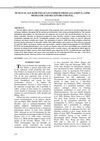
This study found that isolated human scalp hair follicles express PGE2 genes and EP2 protein, suggesting PGE2 may play a crucial role in regulating hair growth.
 5 citations
,
October 2024 in “International Journal of Molecular Sciences”
5 citations
,
October 2024 in “International Journal of Molecular Sciences” This study observed that piperonylic acid activated key signaling pathways in dermal papilla cells and increased hair growth markers, and a clinical trial showed users of a piperonylic acid formulation had more hair than those using a placebo, suggesting its potential for treating hair loss.