1 citations
,
October 2025 in “International Journal of Molecular Sciences” This study found that zebrafish with a mutation in the GDP-fucose biosynthesis gene exhibited enhanced and faster regeneration of mechanosensory hair cells, implicating the importance of this gene and Notch signalling regulation in hair cell regeneration mechanisms.
 8 citations
,
March 2023 in “Journal of Clinical Epidemiology”
8 citations
,
March 2023 in “Journal of Clinical Epidemiology” This updated guidance from the GRADE working group addresses issues with assessing inconsistency in treatment effect estimates and evaluating the credibility of effect modifiers in systematic reviews.
 August 1946 in “Journal of the American Medical Association”
 This document discusses website navigation and access options for JAMA without presenting any new research findings.
 May 2026 in “Zenodo (CERN European Organization for Nuclear Research)”
 This study describes a novel cancer therapy, ONCO-NK-TRANSITION-GM1, that offers a 60-80% cure rate across multiple cancer types using existing pharmaceutical manufacturing technologies, and costs $50 per dose, presenting a more accessible alternative to current therapies.
 10 citations
,
March 2015 in “Journal of dermatology”
10 citations
,
March 2015 in “Journal of dermatology” This case report describes a 12-year-old boy with severe skin scaling due to novel compound heterozygous null truncation mutations in the TGM1 gene, resulting in loss of transglutaminase 1 activity.
December 2025 in “Journal of Dermatological Treatment” This randomized trial found that topical GT20029 significantly increased hair counts and width in Chinese men with androgenetic alopecia over 12 weeks, showing better results than placebo, with the 0.5% once daily and 1.0% twice weekly doses particularly effective.
September 2024 in “Archives of Dermatological Research” January 2016 in “프로그램북(구 초록집)” This study found that growth factor cocktail treatment including FGF9, combined with microneedling, significantly improved hair density in androgenetic alopecia patients compared to treatment with regular GFC or normal saline.
48 citations
,
June 2000 in “Japanese Journal of Cancer Research” This study found that dimethylarsinic acid significantly accelerates skin tumor development in hair follicle-targeted K6/ODC transgenic mice.
June 2025 in “Healthy-Mu Journal” The optimized Cinchonine gel effectively fights acne bacteria and is safe for twice-daily use.
 19 citations
,
November 1971 in “Clinica Chimica Acta”
19 citations
,
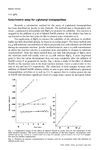
November 1971 in “Clinica Chimica Acta” In this study, the researchers found that the absence of the NFI-C transcription factor delayed the hair growth cycle in mice by affecting key gene expressions and signaling pathways.
 January 2025 in “JCEM Case Reports”
 This report describes two cases of glucocorticoid resistance syndrome highlighting genetic diversity; one patient improved with low-dose dexamethasone despite negative genetic testing, while the other is monitored with a novel NR3C1 variant.
6 citations
,
December 2023 in “Journal of Molecular Cell Biology” In this study, Gsdma1/2/3 knockout mice showed reduced epidermal hyperplasia and inflammation when induced by PMA, which was attributed to decreased EGFR-Stat3/Akt signaling due to a decrease in related ligands.
 August 2024 in “Life Science Alliance”
 This study found that topical application of TGF-β mimic promoted enhanced wound healing and tissue regeneration in mice, suggesting its potential as a therapeutic option for improving wound healing.
August 2026 in “European Journal of Pharmacology”  2 citations
,
April 2017 in “Molecular Medicine Reports”
2 citations
,
April 2017 in “Molecular Medicine Reports” In this study, blocking autophagy with 3-methyladenine significantly improved the survival of inner ear hair cells in a gentamicin-induced ototoxic mouse model.
 1 citations
,
January 2013 in “Hair therapy & transplantation”
1 citations
,
January 2013 in “Hair therapy & transplantation” This study reported that adding the topical product CG210 to oral finasteride 1mg significantly increased hair diameter more than finasteride alone in male androgenetic alopecia patients already stabilized on finasteride treatment.
4 citations
,
February 2025 in “Nutrients” This randomized controlled trial found that consuming *Gynostemma pentaphyllum* extract significantly improved hair elasticity, density, and diameter over 24 weeks without severe adverse events, suggesting it as a safe functional food ingredient for hair health improvement.
This Phase II trial found that topical GT20029 significantly increased hair count and width at 12 weeks in Chinese men with androgenetic alopecia compared to placebo, with good tolerability and similar adverse event incidence across groups.
3 citations
,
July 2023 in “Cells” This study found that topical application of recombinant human MG53 protein mitigated nitrogen mustard-induced skin injuries in mice by preserving epidermal integrity and hair follicle structure.
In this multicenter Phase II trial, researchers found that topical GT20029 significantly increased hair regrowth in Chinese adult males with androgenetic alopecia compared to placebo, demonstrating good tolerability and suggesting the need for further studies to confirm its therapeutic potential.
 March 2026 in “Zenodo (CERN European Organization for Nuclear Research)”
 In this study, a novel geometric medicine approach, utilizing the N-K Universal Computer, was reported to eliminate aflatoxin contamination and significantly reduce cancer rates across the "Aflatoxin Belt" through precision targeting of harmful fungi while preserving ecological balance, without observed toxicity or resistance.
January 2026 in “Journal of Dermatological Treatment” This source discusses a Phase 2 trial by Hu et al. that evaluated the efficacy of topical GT20029 compared to a placebo, though the abstract does not provide specific results.
 April 2018 in “Journal of Investigative Dermatology”
 This study found that high skin expression of amphiregulin in acute graft-versus-host disease was associated with severe disease grade, poor overall survival, and increased non-relapse mortality.
14 citations
,
April 2015 in “Stem Cell Research & Therapy” This study found that dermal stem cells from granulation tissue promoted wound healing and reduced fibrosis in a combined radiation and skin wound mouse model.
4 citations
,
May 2013 in “The Journal of Korean Medicine Ophthalmology and Otolaryngology and Dermatology” This study reported that Gagamchengyoung-tang may reduce scalp disorder and increase hair density in alopecia patients with a febrile tendency.
 June 2025 in “Dermatologic Surgery”
 This study found that growth factor concentrate provides quicker improvements for patterned hair loss, but platelet-rich plasma offers more sustained benefits after treatment.
 August 2023 in “Journal of Investigative Dermatology”
 In this study, researchers found that Ganoderma Lucidum extract and Ganoderic acid A significantly improved hair follicle growth and delayed hair loss progression, based on in vitro, ex vivo, and 24-week human clinical trials, suggesting potential as a therapeutic for androgenetic alopecia.
 105 citations
,
February 1996 in “Journal of biological chemistry/The Journal of biological chemistry”
105 citations
,
February 1996 in “Journal of biological chemistry/The Journal of biological chemistry” In this study, sequences upstream of the TGM3 gene were found to regulate epithelial-specific gene expression in keratinocytes, suggesting potential applications in gene therapy.
9 citations
,
February 2018 in “Journal of dermatological treatment” This study reports that methotrexate may be a successful and well-tolerated treatment option for patients with generalized granuloma annulare, with 64% showing improvement, although adverse effects like GI upset and hair loss were noted.