January 1994 in “Toxicological Sciences” This study found that chronic high dosages of 2-(difluoromethyl)-dl-ornithine caused various toxicities in rats and dogs, with some effects potentially minimized at lower dosages.
 13 citations
,
January 2013 in “Applied and Environmental Microbiology”
13 citations
,
January 2013 in “Applied and Environmental Microbiology” This study found that regio-specific hydroxylation of cyclosporine A in Sebekia benihana is mediated by the cytochrome P450 hydroxylase CYP-sb21, suggesting potential biotechnological applications for hair growth promotion without immunosuppressive effects.
28 citations
,
August 2005 in “Journal of Investigative Dermatology” TG5 helps maintain hair follicle health, while TG3 aids in hair shaft development.
25 citations
,
September 2024 in “Cardiovascular Drugs and Therapy” This study found that while glucagon-like peptide 1 receptor agonists report more incidents of suicide, hair loss, and aspiration compared to some other antidiabetic drugs, they did not meet the threshold for positive safety signals.

In this case study, a patient developed a rash consistent with acute generalized exanthematous pustulosis after increasing the dose of semaglutide, suggesting that the reaction was likely due to the excipient propylene glycol, highlighting the importance of ingredient analysis and multidisciplinary collaboration for patient safety.
 8 citations
,
July 2019 in “Pure and Applied Chemistry”
8 citations
,
July 2019 in “Pure and Applied Chemistry” This study identified natural compounds from Iris plants that showed potential as inhibitors of urease and carbonic anhydrase-II enzymes, suggesting their possible use in treating related disorders.
31 citations
,
August 2018 in “Journal of biomedical nanotechnology” This review highlights GA-mediated nanoparticles for liver-targeting drug delivery in liver cancer treatment and reports no new clinical results.
1 citations
,
July 2021 in “Small ruminant research” This study found that supplementing arsenic-fed Black Bengal kids with vitamin E, alone or combined with yeast culture, partially ameliorated growth and reduced arsenic load in faeces, urine, and hair.
97 citations
,
December 2011 in “New England Journal of Medicine” This article discusses the FDA's decision not to approve 5α-reductase inhibitors for prostate cancer prevention, citing an increase in high-grade tumors but no mortality evidence, and reports no new results.
November 2025 in “Journal of Investigative Dermatology” Alopecia Areata may involve reduced antioxidant defenses in hair follicles, affecting stem cell function.
 17 citations
,
April 2023 in “Aging”
17 citations
,
April 2023 in “Aging” In this study, the authors used AI-driven methods to identify and prioritize promising therapeutic targets that may address both aging and Glioblastoma Multiforme, proposing CNGA3, GLUD1, and SIRT1 as novel candidates.
5 citations
,
November 2013 in “Journal of Investigative Dermatology” This study found that mice lacking the glucocorticoid receptor in their epidermis showed increased susceptibility to chemical-induced skin cancer, highlighting the receptor's role in skin carcinogenesis.
January 1980 in “Lluc: revista de cultura i d'idees” This study found that Agaricus bisporus-derived β-Glucan particles showed potential as an anticancer, antimicrobial, and antioxidant agent, inducing apoptosis and disrupting mitochondrial membrane potential in cervical cancer HeLa cells.
 4 citations
,
December 1962 in “European journal of endocrinology”
4 citations
,
December 1962 in “European journal of endocrinology” Alloxan diabetes, methylthiouracil, cortisone, and adrenaline affect how white mice hair follicles use glucose and cystine and their cell division.
 July 2018 in “Kidney international”
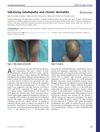
 This case study describes a 9-year-old girl with a homozygous EGFR gene mutation, presenting with tubulopathy and chronic dermatitis, whose ongoing symptoms and management offer insights into this rare genetic condition.
26 citations
,
March 2006 in “Endocrine, metabolic & immune disorders. Drug targets” This article discusses the functions of the enzyme 17beta-HSD10, including its role in steroid metabolism and potential links to Alzheimer's disease, but reports no new experimental findings.
22 citations
,
November 2008 in “The journal of investigative dermatology/Journal of investigative dermatology” This study observed that cathepsin L and transglutaminase 3 colocalize in the human hair bulb and nail matrix, suggesting their involvement in terminal differentiation within these epidermal appendages.
 May 2025 in “The Journal of Rheumatology”
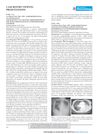
 This case report describes a patient with systemic lupus erythematosus whose unusual nephrological presentation led to a diagnosis of C3 glomerulopathy, highlighting the importance of considering atypical findings to broaden diagnostic approaches.
4 citations
,
June 2020 in “Processes” This study suggests that G. sibiricum has potent aldose reductase inhibitory activity, primarily due to kaempferol rhamnosides, and may be further explored as a natural treatment for diabetes-related complications.
 13 citations
,
September 2011 in “Archives of dermatology”
13 citations
,
September 2011 in “Archives of dermatology” This case report describes a 3-year-old male with X-linked ichthyosis and associated neurologic abnormalities, identifying an unusual cortical development malformation and suggesting that abnormal hair banding may assist diagnosis.
5 citations
,
January 2021 in “Indian Journal of Critical Care Medicine” This case report details severe hematological toxicity and fatal complications from azathioprine in a patient with Crohn's disease with a homozygous NUDT 15 variant, suggesting pharmacogenomic testing before treatment.
 February 2025 in “Advanced Composites and Hybrid Materials”
 This study reported that in animal studies of androgenetic alopecia, a biodegradable microneedle patch releasing glutamic acid promoted hair regeneration more effectively than daily minoxidil, with higher hair follicle counts and less frequent dosing, showing the potential for clinical application.
 September 2025 in “Wound Repair and Regeneration”
 This review suggests that glucagon-like peptide 1 receptor agonists may play a potentially protective role in managing diabetic foot ulcers, particularly by addressing various underlying pathophysiological aspects.
![Asl Us Soos [Glycyrrhiza Glabra (Linn)]: An Evidence-Based Review on Its Phytopharmacological, Therapeutic Potential and Gastroduodenal Ulcer Activity](/images/assets/6967bbcb-3ed8-4b8e-a417-ed1c34019505/small/62125.jpg) January 2026 in “International Journal of Unani and Integrative Medicine”
January 2026 in “International Journal of Unani and Integrative Medicine” This study evaluated the antiulcer potential of Glycyrrhiza glabra and found that its hydroalcoholic extract demonstrated dose-dependent protective effects against various ulcer models, comparable to standard drugs like omeprazole and cimetidine, by enhancing mucosal defenses and reducing stomach acid production.
16 citations
,
October 2009 in “Xenobiotica” This study found no evidence that the tested hair dye ingredients undergo hepatic metabolism to reactive oxidized metabolites in human liver microsomes and hepatocytes.
October 2025 in “Figshare” This systematic review and meta-analysis reported that deuruxolitinib is effective for hair regrowth and improving patient-reported outcomes in individuals with moderate to severe alopecia areata, but observed manageable treatment-emergent adverse events such as elevated creatinine kinase levels and headaches, particularly with higher doses.
10 citations
,
May 2020 in “Clinical and Experimental Health Sciences” This study found that Tideglusib at 50nM stimulated Type-I collagen production in human gingival fibroblasts and osteoblasts, suggesting potential benefits for bone regeneration.
 17 citations
,
August 2015 in “PLoS ONE”
17 citations
,
August 2015 in “PLoS ONE” This study found that deferiprone significantly reduced dermal fibrosis and skin thickness in mice with chronic kidney disease treated with Omniscan, suggesting iron's role in gadolinium chelate toxicity and nephrogenic systemic fibrosis.
 14 citations
,
November 2015 in “Annals of the New York Academy of Sciences”
14 citations
,
November 2015 in “Annals of the New York Academy of Sciences” This review discusses dietary manipulation strategies in a mouse model of CBS deficiency and reports no new results; the authors emphasize the importance of understanding gene-diet interactions.
 June 2025 in “Cell Regeneration”
 In this study, Dguok deficiency in mice led to premature hair greying due to a loss of melanocyte stem cells and mature melanocytes, with increased oxidative stress and cell death; treatment with an antioxidant mitigated these effects, suggesting DGUOK's importance in hair pigmentation maintenance.