38 citations
,
September 2017 in “Cancer Research” This study reports that hair follicles can mobilize ectopic progenitors for regeneration to repair damage from ionizing radiation. Augmenting WNT signaling enhanced this regenerative process and prevented radiation- and chemotherapy-induced hair loss, highlighting a potential approach to manage alopecia during cancer treatment.
 4 citations
,
January 2021 in “in Vivo”
4 citations
,
January 2021 in “in Vivo” This study found that scoparone increased the expression of certain pluripotency-related proteins in dermal papilla cells, suggesting a potential new mechanism for enhancing hair growth.
This research reports that after genotoxic stress from ionizing radiation or chemotherapy, hair follicles can utilize progenitor cells from transit-amplifying compartments, not quiescent stem cells, for repair, suggesting a potential therapeutic approach to prevent therapy-induced hair loss by activating these progenitors.
11 citations
,
October 2020 in “PLoS ONE” This study found that scalp cooling markedly reduces cellular uptake of anthracycline drugs in human keratinocytes, partially explaining its protective effect against chemotherapy-induced cytotoxicity.
56 citations
,
January 2023 in “Genes & Diseases” This study discusses a hypothesis for repurposing non-cancer drugs and combining micronutrients to target cancer and cancer stem cells with fewer side effects, suggesting a potential new approach for more effective cancer therapy.
This study found that lysine carboxymethyl cysteinate helps protect the epidermis from UVB-induced damage by activating autophagy and restoring cornification processes in a skin model.
January 2011 in “Archivio Istituzionale della Ricerca (Universita Degli Studi Di Milano)” This study found that a combination of spermidin, rutine, and zeaxantine effectively reduced staurosporin-induced apoptosis in cultured hair follicle dermal papilla cells, potentially preventing the regression phase in the hair follicle cycle.
 March 2026 in “Voprosy dermatologii i venerologii/Dermatologiâ ža̋ne veneralogiâ ma̋selelerì”
 This study discusses how polynucleotide-based cosmetic products can improve aging skin in patients with particular morphotypes by restoring cellular metabolism, enhancing microcirculation, and promoting intracellular matrix remodeling, offering potential benefits for reversing chrono- and photo-aging and aiding tissue recovery after cosmetic or surgical procedures.
 18 citations
,
July 2008 in “Current Oncology Reports”
18 citations
,
July 2008 in “Current Oncology Reports” EGFR cancer drugs often cause a rash, which can lead to distress and isolation, but may also improve outcomes for some cancer patients. Current treatments for the rash are limited, but a compound called menadione shows promise.
January 2026 in “ACS Applied Bio Materials” This study developed nanoliposomes embedding AR-PROTAC and NFKBIZ siRNA to target androgen receptors and reduce oxidative stress, which improved the follicular microenvironment and enhanced hair regrowth in androgenetic alopecia, suggesting a promising multi-target therapeutic strategy.
 August 2013 in “Nature Reviews Drug Discovery”
 New cancer treatments show promise in reducing tumor growth and improving skin regeneration in mice.
 44 citations
,
March 2016 in “Frontiers in cellular neuroscience”
44 citations
,
March 2016 in “Frontiers in cellular neuroscience” In this study using zebrafish, four bisbenzylisoquinoline derivatives were found to protect hair cells from aminoglycoside-induced damage without reducing antibiotic efficacy, potentially leading to therapies for patients undergoing such treatments.
January 2024 in “Wiadomości Lekarskie” This study highlights the potential of cosmetic products combining fibroblast growth factors and antioxidants like thioproline, ergothioneine, silymarin, and rosmarinic acid, to mitigate skin aging by reducing oxidative stress and enhancing cellular protection in the skin.
 January 2024 in “Biological & clinical sciences research journal”
 This review of 355 articles found that apigenin, a compound found in many plants and vegetables, is mainly researched for its anti-inflammatory, neuroprotective, and anti-cancer properties, with enhanced efficacy when combined with allopathic drugs.
October 2014 in “Cancer research” This study found that targeting mTORC1 with rapamycin effectively inhibited skin tumor promotion in a mouse model, highlighting a potential target for cancer chemoprevention.
65 citations
,
March 2004 in “Journal of Clinical Investigation” In this study, overexpression of ornithine decarboxylase accelerated basal cell carcinoma in Ptch1+/– mice under UVB exposure, while its inhibition reduced tumor induction, suggesting potential chemoprevention strategies in humans.

This study suggests that targeting the activation of transit-amplifying cell-derived progenitor cells may help prevent hair loss from chemotherapy and radiotherapy by promoting hair follicle regeneration.
26 citations
,
April 1998 in “Journal of Investigative Dermatology” This study in transgenic mice found that the combination of SPF 15 sunscreen and a UVA filter provided strong protection against UVA-induced elastin promoter activation and thus may reduce photoaging.
 December 2022 in “Acta Ophthalmologica”
 In this study, dutasteride treatment in retinitis pigmentosa mice increased photoreceptor survival and reduced glial activation, suggesting it may offer a neuroprotective effect.
This study found that selectively inactivating ribonucleotide excision repair in mouse epidermis leads to DNA damage, keratinocyte intraepithelial neoplasia, and squamous cell carcinoma, indicating a potential tumor-promoting mechanism related to compromised genome maintenance.
3 citations
,
January 1990 in “Cancer chemotherapy and pharmacology” Topical thiols may prevent hair loss caused by certain chemotherapy drugs.
 2 citations
,
July 1982 in “British Journal of Dermatology”
2 citations
,
July 1982 in “British Journal of Dermatology” This study reports that retinol acetate inhibited the pro-oxidant effects of benoxaprofen on polymorphonuclear leucocytes in vitro.
 April 2018 in “Radiotherapy and Oncology”
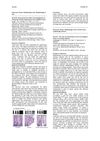
 Prostaglandin helps regenerate hair follicles after radiation damage.
 June 2026 in “Acta Pharmacologica Sinica”
 This review highlights how integrating medicinal chemistry with delivery science could transform the limitations of PROTACs—such as poor solubility and low cell permeability—into strengths, potentially advancing these compounds from experimental stages to clinical applications by optimizing their delivery and enhancing therapeutic efficacy.
 30 citations
,
December 2019 in “PLoS ONE”
30 citations
,
December 2019 in “PLoS ONE” This study found that formulating raloxifene in nano-lipid carriers significantly enhanced its permeation and cytotoxicity against cancer cells compared to raw raloxifene.
 17 citations
,
July 1995 in “International Journal of Dermatology”
17 citations
,
July 1995 in “International Journal of Dermatology” This study observed that local injection of minoxidil effectively prevented Ara-C-induced alopecia in newborn rats, while topical application was ineffective.
18 citations
,
January 2021 in “Theranostics” This study found that actively targeted AN2728-loaded nanocarriers reduced inflammation and improved skin condition in a mouse model of psoriasiform inflammation compared to free drug and non-targeted nanoparticles.
12 citations
,
March 2004 in “Der Urologe” This review of studies on prostate cancer chemoprevention in Europe reports no robust evidence supporting the effectiveness of chemopreventive agents, though vitamin E and selenium may potentially contribute to prevention efforts.
 61 citations
,
April 2014 in “Radiation Research”
61 citations
,
April 2014 in “Radiation Research” This study observed that topically applied RTA 408 reduced the severity of radiation-induced dermatitis in mice, with the highest dose significantly reducing and alleviating skin damage and associated inflammation.
143 citations
,
May 2002 in “PubMed” This study found that the retinoid LGD1069 suppressed mammary tumorigenesis in a mouse model without observable toxicity, while TTNPB showed modest effects but was associated with significant toxicity.