29 citations
,
January 2020 in “Frontiers in endocrinology” This paper considers fibrodysplasia ossificans progressiva as a segmental progeroid syndrome, which may help uncover mechanisms of normal aging and suggest targets for new treatments.
 26 citations
,
December 2015 in “Journal of The European Academy of Dermatology and Venereology”
26 citations
,
December 2015 in “Journal of The European Academy of Dermatology and Venereology” This article introduces a new grading system called the FPHL Severity Index to better identify and monitor early stages of female pattern hair loss using clinical criteria.
 2 citations
,
August 2022 in “Emergency medicine international”
2 citations
,
August 2022 in “Emergency medicine international” This study found that a key gene signature, including FGF11, highlights the immunologic nature of keloid lesions, distinguishing them from normal fibroblasts and scars.
 104 citations
,
October 2016 in “PLoS ONE”
104 citations
,
October 2016 in “PLoS ONE” This study found that CRISPR/Cas9-mediated disruption of the FGF5 gene in goats increased hair follicle numbers and fiber length, suggesting more cashmere production could be achieved.
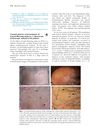 18 citations
,
June 2017 in “Journal of The American Academy of Dermatology”
18 citations
,
June 2017 in “Journal of The American Academy of Dermatology” In this study, trichoscopy consistently identified typical findings of frontal fibrosing alopecia, revealing three unusual clinical patterns in 18.4% of patients, which may aid in the differential diagnosis when clinical presentations are atypical.
January 2026 in “Industrial Crops and Products” In this study, oral administration of ginsenoside Rf from Panax ginseng promoted hair regrowth and increased hair thickness in a mouse model of androgenetic alopecia by enhancing androgen receptor degradation, highlighting its potential for cosmetic and functional food applications.
 June 2014 in “Journal of biomedical research”
 This study found that ethanol extract and an ethyl acetate fraction of Sargassum fusiforme promoted hair regrowth in C57BL/6 mice and stimulated expression of hair growth-related genes in both in vitro and in vivo models.
March 2005 in “Journal of the American Academy of Dermatology” This study found that key amino acids lost from hair due to weathering can be successfully reintroduced through cosmetic treatments, improving hair strength and aesthetics.
2 citations
,
June 2018 in “International Journal of Pharmacological Research” This article reviews treatments for progeria, including aspirin, hydrotherapy, and farnesyl transferase inhibitors, but reports no new clinical results.
 April 2017 in “Journal of Investigative Dermatology”
 This study observed that using a 1064 nm Nd: YAG laser may stabilize hair loss and promote new growth in some females with frontal fibrosing alopecia, though individual results varied.
 February 2026 in “International Journal of Nanomedicine”
 This study demonstrated that engineered exosomes carrying EGF and FGF restored hair density and follicle integrity in an androgenetic alopecia mouse model by reactivating hair follicle growth factors, offering a novel therapeutic approach without immunogenic reactions or systemic toxicity.
 9 citations
,
July 2021 in “Frontiers in Pharmacology”
9 citations
,
July 2021 in “Frontiers in Pharmacology” This study found that intradermal injection of cholesterol-modified siRNA targeting FGF5 or FGF18, or topical application of FGF18-targeted siRNA, effectively influenced hair follicle cycles in mice, suggesting potential benefits for alopecia management.
 August 2019 in “Research Square (Research Square)”
 This study explored how long non-coding RNA mediates the effects of FGF5 on the hair follicle development and villus growth of Liaoning cashmere goats.
54 citations
,
November 2007 in “Actas Dermo-Sifiliográficas” Early diagnosis of frontal fibrosing alopecia is crucial to prevent permanent hair loss.
 April 2024 in “MRIMS journal of health sciences”
 This study observed that autologous growth factor concentrate combined with topical minoxidil significantly improved hair growth and patient satisfaction in individuals with androgenic alopecia, with no adverse effects reported.
1 citations
,
September 2025 in “International Journal of Molecular Sciences” This study found that primary stem cells from concentrated growth factor can differentiate into adipogenic, endothelial, and neuronal lineages in vitro, suggesting potential for use in regenerative therapies.
 January 2023 in “Journal of animal science/Journal of animal science ... and ASAS reference compendium”
 This study found that the novel culture condition gHFEM, which includes Y-27632 and bFGF, optimally promotes the proliferation and pluripotency of goat hair follicle stem cells in vitro.
 23 citations
,
November 2018 in “Journal of the European Academy of Dermatology and Venereology”
23 citations
,
November 2018 in “Journal of the European Academy of Dermatology and Venereology” This study observed that frontal fibrosing alopecia is increasingly diagnosed in Italian Caucasian females, often showing premenopausal onset and eyebrow alopecia as an early sign.
20 citations
,
July 2005 in “Experimental dermatology” This study found that the fuzzy mutation in mice is linked to both structural hair defects and accelerated hair follicle cycling, influencing the regulation of hair cycle phases such as catagen and anagen.
1 citations
,
June 2025 in “Journal of Clinical Medicine” This study reported that frontal fibrosing alopecia predominantly affects postmenopausal women and identified potential risk factors like frequent β-blocker use and sunscreen application, indicating the need for further research.
 9 citations
,
August 2014 in “Journal of The American Academy of Dermatology”
9 citations
,
August 2014 in “Journal of The American Academy of Dermatology” This article discusses the authors' concerns over the misinterpretation of studies linking smoking and frontal fibrosing alopecia, clarifying that neither study suggests smoking is protective against the condition.
265 citations
,
March 1993 in “The EMBO Journal” Keratinocyte growth factor significantly alters skin and tissue development.
 February 2010 in “Journal of The American Academy of Dermatology”
 The document concludes that using gadolinium-based contrast agents during MRI can be linked to Nephrogenic Systemic Fibrosis in patients with severe kidney disease.
 November 2023 in “The journal of investigative dermatology/Journal of investigative dermatology”
 In this case series, researchers reported on the clinical characteristics and treatment approaches for Frontal Fibrosing Alopecia in four cases, emphasizing the importance of early identification and intervention to manage this scarring hair loss disorder that primarily affects the frontal hairline and eyebrows.
 10 citations
,
June 2020 in “Journal of Cosmetic Dermatology”
10 citations
,
June 2020 in “Journal of Cosmetic Dermatology” This study found a high prevalence of genital Lichen sclerosus and autoimmune comorbidities in patients with frontal fibrosing alopecia, suggesting a possible shared autoimmune process.
 1 citations
,
December 2017 in “Anais Brasileiros de Dermatologia”
1 citations
,
December 2017 in “Anais Brasileiros de Dermatologia” This article discusses the DOAJ, a comprehensive index of international open access journals, and emphasizes its role in providing free quality content online without presenting new research findings.
125 citations
,
February 2007 in “The EMBO Journal” Fgfr2b helps maintain healthy skin and prevent cancer.
January 2016 in “Indian dermatology online journal” This case report describes a 50-year-old woman with frontal fibrosing alopecia who showed no improvement despite multiple treatments, including intralesional triamcinolone and topical glucocorticoids.
8 citations
,
October 2022 in “Frontiers in Bioengineering and Biotechnology” This study found that HFV70 cryogels, made from Flammulina velutipes extract and hydroxyethyl cellulose, effectively promoted rapid hemostasis and tissue regeneration in full-thickness skin defects in rats, demonstrating improved hemocompatibility, cytocompatibility, antimicrobial, and antioxidant properties.
 July 2025 in “Scientific Reports”
 This study reported that fermented grapeseed oil may enhance hair permeability and improve strength and color retention in chemically treated hair compared to regular grapeseed or silicone oils.