6 citations
,
March 2024 in “Saudi Pharmaceutical Journal” This study found that a nano-cubosome formulation co-loaded with capsaicin and thiocolchicoside enhanced bioavailability and showed promising analgesic and anti-inflammatory effects in rats, potentially benefiting gout management through improved transdermal delivery.
4 citations
,
September 2024 in “Cell Reports” This study found that mice lacking the CXCR2 receptor regenerated tissue scarlessly in various injury models and that administering plasma or G-CSF from these mice to wild-type mice also reduced scarring, suggesting potential therapeutic strategies to improve human skin wound healing.
January 2014 in “Ghent University Academic Bibliography (Ghent University)” FGF18 may influence hair loss in dogs.
 1 citations
,
June 2021 in “The Indonesian Biomedical Journal”
1 citations
,
June 2021 in “The Indonesian Biomedical Journal” This study concluded that 2-hour oral glucose tolerance tests are crucial for screening glycemic disorders in women with PCOS, as HbA1c was found to be an unsatisfactory tool for predicting glycemic disorders within this group.
2 citations
,
January 2022 in “The Application of Clinical Genetics” This case report presents the first Russian patient with Meier-Gorlin syndrome 5, expanding clinical understanding through the identification of two novel CDC6 gene variants.
January 2026 in “Preprints.org” In this study, researchers identified four novel variants in the FGF5 gene associated with the long-haired phenotype in dogs, suggesting additional unexplored genetic factors contribute to this trait beyond the known Lh1-Lh5 alleles.
 10 citations
,
December 2021 in “Frontiers in cell and developmental biology”
10 citations
,
December 2021 in “Frontiers in cell and developmental biology” This study found that GPC1 is a crucial regulator of angiogenesis in human dermal microvascular endothelial cells, indicating its potential as a target for treating alopecia.
1 citations
,
October 2020 in “Research Square (Research Square)” This study identified a 505-bp indel variant in the FGF5 gene associated with cashmere growth in goats, which may serve as a molecular marker in cashmere goat breeding programs.
This study found that GPC1 is a significant regulator of angiogenesis in human dermal microvascular endothelial cells, suggesting its potential as a target for alopecia research.
 June 2023 in “British journal of dermatology/British journal of dermatology, Supplement”
 In this study, two cases of cutis verticis gyrata were associated with chronic traction alopecia due to tight hairstyles, highlighting the need to consider hairstyling history in diagnosis and management.
November 2021 in “International Journal of Trichology” This study found that trichoscopy can confirm the diagnosis and assess the clinical severity of female androgenetic alopecia, correlating specific features with different severity grades.
11 citations
,
October 2014 in “Gene” In this study, researchers characterized the FGF5 gene in Chinese Merino sheep, identified a new mRNA splicing variant, FGF5S, and noted its restricted expression in the brain, spleen, and skin.
12 citations
,
February 2023 in “Stem Cell Research & Therapy” This study found that injecting hepatocyte growth factor-enhanced hair follicle stem cells into a rat model of ischemic stroke improved recovery by reducing inflammation, protecting the blood-brain barrier, and promoting angiogenesis.
 March 2026 in “Zenodo (CERN European Organization for Nuclear Research)”
 This publication presents a library of geometric medicines designed to selectively target pathogenic bacteria and fungi with high precision while minimizing ecological harm, available for free on a non-commercial basis.

This study found that the novel alcohol-free topical foam CG2001, combining minoxidil and finasteride, was safe and well-tolerated in Chinese males with androgenetic alopecia, with significantly lower systemic exposure to finasteride compared to oral administration, potentially reducing sexual side effects.
 August 2026 in “Zenodo (CERN European Organization for Nuclear Research)”
 This record provides supplementary materials for a theoretical model suggesting that animal-based diets may support hair follicle stability through various biological mechanisms, including regenerative peptides and anti-glycation protection.
14 citations
,
February 2008 in “Stem Cells and Development” This study identified several genes highly expressed in germ-line stem cells that are also common in hematopoietic stem cells, potentially aiding the exploration of fundamental stem cell commonalities.
 April 2017 in “Journal of Investigative Dermatology”
 This case study reports that a heterozygous missense GJA1 mutation, p.Gly138Ser, in a 2-year-old boy with oculodentodigital syndrome primarily resulted in syndactyly, fifth finger hypoplasia, and hypotrichosis, without neurological or craniofacial abnormalities.
3 citations
,
December 2024 in “Journal of Animal Physiology and Animal Nutrition” In this study, researchers found that reducing FGF20 expression in dermal papilla cells of fine-wool sheep impedes the growth and differentiation of hair follicle stem cells, providing insights into wool trait improvement and regenerative medicine applications.

In this phase I study, CG2001, a topical foam combining minoxidil and finasteride, was found to be safe and well-tolerated in Chinese males with androgenetic alopecia, showing significantly reduced systemic finasteride exposure compared to oral administration, potentially reducing related side effects.
17 citations
,
May 2007 in “British Journal of Dermatology” This case report describes a child with Gomez–Lopez–Hernandez syndrome, highlighting developmental challenges and medical interventions, yet noting academic success and participation in mainstream activities.
 August 2025 in “Advanced Science”
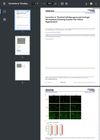
 In this study, corrected data confirmed that AHFS seed microspheres exhibit good biocompatibility with fibroblasts, validating the initial results.
July 2026 in “Macromolecular Bioscience” In this study on wound healing, sulfated glycosaminoglycans from sturgeon cartilage enhanced fibroblast cell proliferation, migration, and collagen deposition, significantly accelerating wound closure and promoting re-epithelialization in both in vitro and in vivo tests.
February 2026 in “Journal of Dermatological Treatment” This research describes CG2001's promising safety profile and reduced systemic exposure as an alternative to finasteride, supporting its further development for androgenic alopecia treatment in future trials.
 August 2024 in “Journal of Cosmetic Dermatology”
 This study reported significant improvements in hair density and growth ratio in androgenetic alopecia patients receiving concentrated growth factor injections, with benefits sustained for 6 months.
 98 citations
,
July 2011 in “Fertility and Sterility”
98 citations
,
July 2011 in “Fertility and Sterility” This study determined that an mFG score of 5 or greater defines hirsutism among Southern Chinese women, with prevalence and score thresholds decreasing with age.
 February 2010 in “Journal of The American Academy of Dermatology”
 The document concludes that using gadolinium-based contrast agents during MRI can be linked to Nephrogenic Systemic Fibrosis in patients with severe kidney disease.
 6 citations
,
January 2019 in “F1000Research”
6 citations
,
January 2019 in “F1000Research” This study found that triglycerides, testosterone, and SHBG levels were associated with hyperandrogenism in women with PCOS, while FGS was not linked to this condition.
 October 2023 in “Al-Kauniyah”
 In this study of gibbons at the Tegal Alur Animal Rescue Center, researchers found that while the feeding schedule met natural requirements, the gibbons' body weights were lower compared to their counterparts in the wild, and some exhibited hair loss and depigmentation.
17 citations
,
April 2006 in “Brain Research” This study found that stimulation with certain neurotransmitters and hormones suggests the involvement of 5α-reduced neurosteroids in glial cell differentiation in rat C6 glioma cells.