2 citations
,
June 2024 in “Skin Appendage Disorders” This study identifies specific trichoscopic features such as empty follicles and perifollicular erythema in Caucasians with frontal fibrosing alopecia, which may assist in diagnosis and monitoring, but stresses the need for further research due to limited demographic data.
January 2012 in “Heilongjiang xumu shouyi” This study found that EGF and KGF were expressed at different levels in the skin of Gansu alpine Merino sheep, suggesting these factors influence wool fineness.
 51 citations
,
May 2019 in “Biomaterials”
51 citations
,
May 2019 in “Biomaterials” This study developed a method for generating germ-like tissues called bbHFGs, which efficiently promoted hair follicle formation in mice, potentially advancing hair regenerative medicine applications.
2 citations
,
June 2021 in “Sultan Qaboos University medical journal” This case report presents three sisters with familial frontal fibrosing alopecia, making it the 25th documented familial case, with treatment results observed in one sister.
 12 citations
,
March 2004 in “International Journal of Dermatology”
12 citations
,
March 2004 in “International Journal of Dermatology” A woman with X-linked chronic granulomatous disease developed lupus-like skin lesions, improved with treatment, suggesting a unique skin condition in carriers.
 November 2024 in “International Journal of Pharmaceutical Sciences Review and Research”
 This study evaluated herbal hair gels made with extracts of flax seed and curry leaves, finding that the formulations offered good texture, stability, and sensory appeal while promoting healthy hair and scalp without irritation, making them suitable for regular use.
 19 citations
,
November 1971 in “Clinica Chimica Acta”
19 citations
,
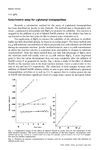
November 1971 in “Clinica Chimica Acta” In this study, the researchers found that the absence of the NFI-C transcription factor delayed the hair growth cycle in mice by affecting key gene expressions and signaling pathways.
January 2022 in “International journal of dermatology and venereology” This case study reports a 36-year-old man with KID syndrome caused by an N14Y GJB2 mutation, expanding the mutation spectrum of this condition in the Chinese population.
 6 citations
,
January 2017 in “British Journal of Dermatology”
6 citations
,
January 2017 in “British Journal of Dermatology” This article reviews frontal fibrosing alopecia, exploring its characteristics, demographics, and associated conditions, and calls for controlled trials due to an increase in worldwide cases; it reports no new findings.
March 2026 in “Journal of Cosmetic Dermatology” Keratinocyte Growth Factor-Hair Serum may help prevent hair loss during chemotherapy, but more research is needed.
1 citations
,
January 2019 in “Journal of Biomedical Science and Engineering” This study reports that monthly subcutaneous injections of concentrated growth factors improved hair appearance and density in patients with androgenetic alopecia, with no side effects observed in the follow-up period.
 2 citations
,
October 2021 in “Bioinformation”
2 citations
,
October 2021 in “Bioinformation” This study found that the FTO gene variants rs17817449 and rs1421085 were significantly associated with PCOS susceptibility, and rs8050136 was linked with hair loss and high BMI in women with PCOS in western Saudi Arabia.
February 2018 in “The American Journal of Gastroenterology” This study observed that intravenous ferric carboxymaltose did not inhibit the drug-induced reduction of inflammatory activity in patients with inflammatory bowel disease, as indicated by lower CRP levels.
41 citations
,
January 1992 in “Journal of medical genetics” This study described seven male patients and six female carriers of keratosis follicularis spinulosa decalvans, highlighting distinct dermatological and ophthalmic markers including follicular hyperkeratosis and corneal dystrophy.
9 citations
,
March 2022 in “Journal of Chemical Information and Modeling” This study identified a series of novel β-glucuronidase inhibitors that may help mitigate adverse effects of first-line anti-cancer drugs by targeting gut bacteria, based on virtual high-throughput screening findings.
 19 citations
,
September 2010 in “The American journal of pathology”
19 citations
,
September 2010 in “The American journal of pathology” This study demonstrated that elevated glucocorticoid levels in transgenic mice led to pancreatic exocrine cells transforming into hepatocyte-like cells, resulting in pancreatic dysfunction.
 February 2024 in “Research Square (Research Square)”
 This study identified SFRP2 and PTGDS as potential biomarkers for female pattern hair loss, finding these genes consistently upregulated in bald hair follicles from all 18 patients, which may contribute to understanding the condition's pathogenesis and developing targeted treatments.
7 citations
,
June 2020 in “npj regenerative medicine” This study found that GDNF promotes hair formation and skin wound repair by enhancing the self-renewal and differentiation of bulge stem cells in mice.
5 citations
,
October 2023 in “Forests” In this study, researchers assessed the genetic diversity of 101 Ginkgo biloba individuals using EST-SSR markers and concluded that there is a high level of genetic diversity in Ginkgo populations, facilitating the construction of a core germplasm collection for breeding purposes.
 July 2018 in “Madridge journal of dermatology & research”
 This study reported that using a herbal hair oil containing Cereus grandiflorus (cactus) Flower extract over 12 weeks was effective in significantly reducing hair fall and aiding new hair growth among alopecia patients.
 7 citations
,
January 2009 in “Biological & pharmaceutical bulletin”
7 citations
,
January 2009 in “Biological & pharmaceutical bulletin” This study found that applying ferrous ferric chloride skin lotions to newborn mice stimulated skin cell proliferation and differentiation, increased hair growth, and inhibited alopecia-related hair loss.
18 citations
,
March 2010 in “Therapeutic Drug Monitoring” This study developed a faster method to analyze fatty acid ethyl esters in human hair, potentially distinguishing alcohol consumption levels more efficiently.
11 citations
,
November 2023 in “Journal of Functional Biomaterials” This study investigated nanocomposite scaffolds made from alginate, chitosan, and graphene oxide to promote the proliferation of spermatogonial stem cells, finding the ALGCS/GO30 scaffold to be particularly effective due to increased proliferation markers and PLZF protein expression compared to controls.

This review discusses the role of fibroblast growth factors and their receptors in maintaining and repairing epithelial tissues, highlighting their importance in epithelial homeostasis and response to injuries without reporting new clinical results.
This study found that polycystic ovary syndrome was the most common cause of hirsutism among premenopausal Algerian women, affecting nearly 60% of participants.
 45 citations
,
January 2012 in “International Journal of Trichology”
45 citations
,
January 2012 in “International Journal of Trichology” This study reported that trichoscopy is a more effective diagnostic tool than the trichogram for early diagnosis of FAGA, regardless of hair shaft diversity cut-off levels.
 January 2024 in “International Journal of Dermatology Sciences”
 The study on androgenetic alopecia reported that microneedling with concentrated growth factor significantly improved hair regrowth in patients over two years, without age influencing the outcome, and recorded no significant adverse reactions.
2 citations
,
June 2018 in “International Journal of Pharmacological Research” This article reviews treatments for progeria, including aspirin, hydrotherapy, and farnesyl transferase inhibitors, but reports no new clinical results.
4 citations
,
October 2023 in “Children” This study diagnosed a group of six girls with various ectodermal abnormalities, identifying cranio-skeletal malformations consistent with focal dermal hypoplasia (Goltz syndrome), and found heterozygous mutations in the PORCN gene in two children.
January 2026 in “Biomacromolecules” This study reports that a novel nanolipogel with moderate rigidity (NLG-2.5) enhances transdermal delivery of fucosterol, displaying superior permeability, targeting hair follicles, and promoting hair growth in androgenetic alopecia model mice by inhibiting inflammation and androgen pathways and promoting angiogenesis.