 January 2008 in “Durham e-Theses (Durham University)”
 This study observed that stem cells from the hair follicle dermis share similarities with bone marrow-derived mesenchymal stem cells and have potential to form neural-like cells under specific conditions.
 July 2005 in “SKINmed/Skinmed”
 This study reported that BRL 7660 significantly reduced sebum secretion and acne symptoms in human studies with topical administration, but the placebo effect and commercial pressures halted further investigations.
 July 2003 in “British Journal of Dermatology”
 This summary presents papers from the British Society for Dermatopathology but does not report new scientific findings or results.
 October 2001 in “WORLD SCIENTIFIC eBooks”
 This compilation on contact and occupational dermatology in the Asia-Pacific region discusses various allergens and irritants without reporting new clinical findings.
 May 2026 in “Journal of the American Academy of Dermatology”
 In this study, sublingual minoxidil was found to be a safe and effective treatment for increasing hair growth in transgender individuals with mild androgenetic alopecia who are undergoing full-dose testosterone therapy.
 March 2025 in “Institutional Repositories DataBase (IRDB)”
 The testes significantly contribute to vitamin D metabolism and may affect male reproductive health and conditions like hair loss.
 February 2025 in “International Journal of Pharmaceutical Research and Applications”
 This article reviews the symptoms, diagnosis, and management of polycystic ovary syndrome, emphasizing lifestyle changes and medical interventions, but presents no new findings.
 May 2024 in “Food bioscience”
 In this animal study, mice on a high-fat diet experienced weakened hair follicles but regained hair growth after treatment with wood sterol, which improved hair follicle health and altered hormone levels, suggesting its potential as a preventive measure for diet-induced alopecia.
 April 2024 in “Indian Scientific Journal Of Research In Engineering And Management”
 This review discusses the prevalence and contributory factors of polycystic ovarian syndrome and reports no new clinical findings; the authors emphasize the importance of early detection through screening.
 January 2024 in “International Journal of Dermatology Venereology and Leprosy Sciences”
 This study reports that an intervention decreased glucose and insulin levels, indicating improved insulin resistance, which is linked to a skin condition called acne vulgaris and other disorders associated with insulin resistance.
 November 2023 in “JAAD case reports”
 This research indicates that androgens may drive hidradenitis suppurativa in some patients, as they show higher testosterone levels compared to nonaffected controls, and testosterone-lowering medications are established treatments for milder cases.
 November 2023 in “Frontiers in veterinary science”
 In this study, researchers used yaks as a natural model to investigate hair growth mechanisms, overcoming previous limitations by establishing in vitro models of hair follicle-associated cells and optimizing methods for cell culture and differentiation.
 October 2023 in “Frontiers in endocrinology”
 This review examines the role of androgens and androgen receptors in regulating glucose and lipid metabolism, focusing on their effects on mitochondrial content and function; it also discusses the sex-dimorphic influence of androgens and provides theoretical insights into their mechanisms.
 September 2023 in “Clinical, cosmetic and investigational dermatology”
 In this case report, a rare form of chronic cutaneous lupus, lupus erythematosus profundus, was treated effectively with topical and systemic therapies, leading to improvement and healing of ulcerations, though resulting in atrophic scars and macules.

The study found that adipose-derived mesenchymal stem cells obtained via laser-assisted liposuction with selective photo-stimulation are comparable in differentiation potential and tumorigenic risk to those from conventional liposuction for cell therapy applications.
 June 2020 in “Acta Scientific Otolaryngology”
 This case study presents a patient with male-pattern alopecia who received PRP treatment with calcium chloride after ruling out other potential causes.
 April 2020 in “Journal of the Endocrine Society”
 This study found that among transgender men undergoing long-term testosterone therapy, a severe pattern of androgenetic alopecia may indicate increased arterial stiffness, as measured by higher intima-media thickness of the carotid artery.
 April 2019 in “Journal of Investigative Dermatology”
 This study found that mice lacking REDD1 experienced an expansion of dermal white adipose tissue through both hypertrophy and hyperplasia, suggesting a potential therapeutic target for skin adipogenesis regulation.
 April 2018 in “Journal of Investigative Dermatology”
 This study found that dermal white adipose tissue surrounding human hair follicles enhances proliferation, pigmentation, and hair shaft elongation in an ex vivo setting.
 April 2018 in “Journal of Investigative Dermatology”
 This study found that TGFbeta is a key pathway causing age-related loss of dermal fat's antimicrobial function, suggesting that targeting TGFBR might help restore skin defense against infections in older age.
This study reviews various causes of hair loss in midlife women, emphasizing the importance of accurate diagnosis due to the overlapping features of different types of alopecia and suggesting a comprehensive approach that includes detailed history, scalp examination, and sometimes biopsies or blood tests.
 December 2016 in “Springer eBooks”
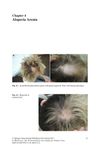
 A 45-year-old woman with autoimmune diseases experienced patchy hair loss due to alopecia areata, which has no cure but can be treated, with varying success.
 September 2014 in “Springer eBooks”
 This review discusses how sex hormone levels and local steroid synthesis influence gender differences in aging skin, reporting no new clinical results.
 March 2014 in “Institutional Repositories DataBase (IRDB)”
 Skin-derived stem cells could help treat skin aging and pigmentation issues.
 January 2010 in “Yearbook of Endocrinology”
 Older men with lower levels of available testosterone are more likely to be frail.
 January 1981 in “The Journal of Toxicological Sciences”
 In this study, beagle dogs treated with hydrocortisone 17-butyrate 21-propionate ointment showed various toxic effects, including acne-like skin changes and organ atrophy, which returned to normal after a recovery period.
 August 2016 in “InTech eBooks”
 This source highlights the diverse scope of facial plastic and reconstructive surgery, noting the specialty's adaptability to changing trends and ethnic preferences for aesthetic outcomes, without reporting specific study results.
 23 citations
,
May 1984 in “Journal of the American Geriatrics Society”
23 citations
,
May 1984 in “Journal of the American Geriatrics Society” Benign Prostatic Hyperplasia may be caused by changes in how the body processes male hormones.
January 2026 in “International Journal of Molecular Sciences” This narrative review highlights that declining testosterone levels are a complex public health issue potentially influenced by modifiable lifestyle factors and environmental stressors, suggesting integrated strategies may be needed to address the trend's impacts on health.
 34 citations
,
December 2012 in “Current Opinion in Clinical Nutrition and Metabolic Care”
34 citations
,
December 2012 in “Current Opinion in Clinical Nutrition and Metabolic Care” This review discusses the potential of DHEAS and testosterone treatments to increase muscle mass in older men with sarcopenia, while effects on muscle function and physical performance remain unclear, and calls for further research on optimized approaches.