12 citations
,
December 2011 in “Journal of Dermatological Science” This study suggests that the C-terminal of AHF is crucial for its binding to keratin bundles and modulating the keratin meshwork in hair follicles.
July 2025 in “Journal of Investigative Dermatology” Acne involves increased lipid production and inflammation, affecting skin cell behavior and treatment resistance.

This study found that protein hydrolysates from mealworms, especially those derived using flavourzyme, significantly enhance adipogenic differentiation in 3T3-L1 preadipocytes, suggesting their potential as sustainable ingredients for glycemic control, skin health, and tissue regeneration products.
 115 citations
,
March 2019 in “Nature Communications”
115 citations
,
March 2019 in “Nature Communications” This study identified significant genetic associations with frontal fibrosing alopecia at four genomic loci, suggesting it is a genetically predisposed immuno-inflammatory disorder influenced by the HLA-B*07: 02 allele.
This study found that FGF5 alternative spliceosomes inhibit dermal papilla cell proliferation and regulate hair follicle growth-related gene expression, impacting hair follicle development in rabbits.
 24 citations
,
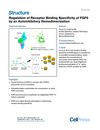
July 2017 in “Structure”
24 citations
,
July 2017 in “Structure” In this study, researchers found that ligand homodimerization controls the receptor binding specificity of the FGF9 subfamily, preventing off-target activation of FGFR "b" isoforms.
October 2022 in “Hair Transplantation” This article discusses the establishment and global adoption of standardized terminology for follicular unit excision (FUE) by the ISHRS, which aids effective communication among hair restoration practitioners.
9 citations
,
January 2023 in “Journal of Clinical Medicine” This study presents a validated questionnaire, the FFA-QLI, which effectively assesses and differentiates the quality of life impact among patients with frontal fibrosing alopecia, showing greater sensitivity in identifying severe cases than the DLQI.
11 citations
,
October 2002 in “Genetics” This study mapped a spontaneous mouse hair mutation, "hague," to keratin genes on chromosome 15 but found no gene mutations in hague mice.
 139 citations
,
December 1998 in “The journal of investigative dermatology/Journal of investigative dermatology”
139 citations
,
December 1998 in “The journal of investigative dermatology/Journal of investigative dermatology” This study identified a new type II cytokeratin, named K6hf, exclusively expressed in the companion layer of the human hair follicle, distinguishing it from other keratins and suggesting a unique biochemical role.
77 citations
,
February 2001 in “Journal of Dermatological Science” HGF activator helps convert HGF to its active form, promoting hair growth.
April 2018 in “Journal of Investigative Dermatology” Mutations in Far2 mice cause hair loss due to sebaceous gland issues.
 42 citations
,
March 2014 in “European Journal of Pharmacology”
42 citations
,
March 2014 in “European Journal of Pharmacology” This study found that minor ginseng saponin F2 may promote hair growth more effectively than finasteride by enhancing anagen induction and modulating the Wnt signaling pathway in cell and mouse models.
 April 2018 in “Journal of Investigative Dermatology”
 In this study, researchers found that stabilizing the protein HIF1A in hair follicles promotes glycolysis over oxidative phosphorylation, potentially reducing oxidative stress and supporting hair growth.
92 citations
,
May 2004 in “Journal of Investigative Dermatology”  6 citations
,
January 2017 in “British Journal of Dermatology”
6 citations
,
January 2017 in “British Journal of Dermatology” This article reviews frontal fibrosing alopecia, exploring its characteristics, demographics, and associated conditions, and calls for controlled trials due to an increase in worldwide cases; it reports no new findings.
July 2025 in “Journal of Investigative Dermatology” Laser treatment boosts hair growth by activating a key growth factor.
 1 citations
,
November 2023 in “Contact dermatitis”
1 citations
,
November 2023 in “Contact dermatitis” In this study, sensitization to ethylhexyl salicylate was found in 27.3% of patients with frontal fibrosing alopecia, suggesting it may be a potential contact allergen for this condition.
 4 citations
,
April 2018 in “Biotechnology Letters”
4 citations
,
April 2018 in “Biotechnology Letters” Human growth factor 20 can boost mouse whisker growth.
 February 2024 in “Skin research and technology”
 The researchers in this study identified molecular mechanisms involved in frontal fibrosis alopecia, highlighting immune response and fatty acid metabolism, and developed a four-gene diagnostic model showing high accuracy in distinguishing affected individuals from controls.
 December 2016 in “Journal of Dermatology and Dermatologic Surgery”
 In this study, the Instant Follicular Hair Unit Transplant technique demonstrated superior hair growth compared to conventional FUE in patients with androgenetic alopecia, although it requires a steeper learning curve for surgeons.
 1 citations
,
January 2023 in “Journal of Clinical Medicine”
1 citations
,
January 2023 in “Journal of Clinical Medicine” This study reported that Tomorrowlabs HIF strengthening factor [HSF] hair restoration technology significantly improved hair thickness, density, shine, and elasticity, while reducing hair loss by an average of 66.8% and enhancing hair growth by up to 32.5% in subjects with androgenic alopecia over nine months.
12 citations
,
February 2023 in “Stem Cell Research & Therapy” This study found that injecting hepatocyte growth factor-enhanced hair follicle stem cells into a rat model of ischemic stroke improved recovery by reducing inflammation, protecting the blood-brain barrier, and promoting angiogenesis.
 15 citations
,
February 2021 in “Scientific Reports”
15 citations
,
February 2021 in “Scientific Reports” This study found that novel RNA aptamers specifically inhibited FGF5-induced cell proliferation, suggesting their potential as candidates for treating FGF5-related diseases or hair disorders.
 August 2025 in “Advanced Science”
 In this study, corrected data confirmed that AHFS seed microspheres exhibit good biocompatibility with fibroblasts, validating the initial results.
 12 citations
,
September 2018 in “Journal of Drug Delivery Science and Technology”
12 citations
,
September 2018 in “Journal of Drug Delivery Science and Technology” This study found that a new hydrogel formulation of basic fibroblast growth factor showed promise in promoting hair regrowth and reducing inflammation in testosterone-treated mice.
8 citations
,
October 2022 in “Frontiers in Bioengineering and Biotechnology” This study found that HFV70 cryogels, made from Flammulina velutipes extract and hydroxyethyl cellulose, effectively promoted rapid hemostasis and tissue regeneration in full-thickness skin defects in rats, demonstrating improved hemocompatibility, cytocompatibility, antimicrobial, and antioxidant properties.
March 2021 in “Arrow - TU Dublin (Technological University Dublin)” This study tested a folate-conjugate drug delivery system and found its cytotoxicity depends on whether the treated cells overexpress folate receptors, suggesting potential for targeted chemotherapy.
36 citations
,
February 1998 in “Journal of Anatomy” This study used fibre optic confocal imaging to visualize subsurface structures in live mouse skin, revealing cellular details and blood vessel networks that dynamic events could be studied in vivo.
 2 citations
,
December 2025 in “Nature Communications”
2 citations
,
December 2025 in “Nature Communications” This study found that the repressive histone mark H2AK119ub links inhibitory FGF signals with the quiescent state in hair follicle stem cells, revealing a signaling-epigenetic axis crucial for maintaining stem cell quiescence and tissue homeostasis.