 January 2019 in “LASER THERAPY”
 Laser technologies improve medical treatments and outcomes.
 July 2018 in “Plastic and Aesthetic Nursing”
 This research abstract provides information about the publisher, Wolters Kluwer Health, and the journal's subscription services, but it doesn’t describe a specific study or research findings. Results are not reported.
This chapter reviews the presence and roles of stem cells in various body systems, focusing on their lifelong function in animals and humans, and reports no new experimental findings.
 January 2014 in “Durham e-Theses (Durham University)”
 In this study, the activation of Notch1 signaling in keratinocytes was found to play a key role in recruiting immune cells and facilitating skin repair after injury.
 January 2012 in “Durham e-Theses (Durham University)”
 This study found that knock-down of keratin 15 in various cell lines affected cell spreading, morphology, migration, differentiation, and proliferation, suggesting its role in maintaining the stem cell nature of keratinocytes.
 January 2008 in “Durham e-Theses (Durham University)”
 This study observed that stem cells from the hair follicle dermis share similarities with bone marrow-derived mesenchymal stem cells and have potential to form neural-like cells under specific conditions.
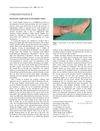 May 2002 in “British Journal of Dermatology”
 A pregnant woman's skin condition improved after giving birth, possibly due to high estrogen levels during pregnancy.
 April 2026 in “Frontiers in Marine Science”
 This study investigated neonatal mortality and health threats to Guadalupe fur seals in Mexico's San Benito Archipelago, finding a 29.52% mortality rate largely due to trauma and emaciation/infectious disease, with high rates of alopecia syndrome and entanglement linked to marine debris, primarily from local sources.
 April 2026 in “Scientific Reports”
 In this study, the proposed MSF-VMDNet, combining dual encoder networks with a multi-frequency domain mechanism, significantly outperformed existing methods in segmenting skin cancer tissues from histological slide images, achieving high accuracy with an MIoU of 95.37% and a Dice coefficient of 95.11%.
 March 2026 in “Frontiers in Pharmacology”
 This study highlighted the promising health benefits of taxifolin, a flavonoid with antioxidant, anti-inflammatory, and other protective effects found in foods like onions and milk thistle, though more research is needed to fully understand its mechanisms and safety for human therapeutic use.
 March 2026 in “BioScience Trends”
 This review explores how various skin cell types contribute to photoaging driven by UV radiation, detailing their interactions and molecular mechanisms like oxidative stress and ECM degradation, ultimately offering insights for future anti-photoaging strategies.
 February 2026 in “Frontiers in Immunology”
 In this review, researchers detail how immunosenescence and chronic neuroinflammation contribute to Parkinson's disease progression, exploring potential therapeutic strategies targeting this axis, such as senolytic agents and immune rejuvenation, while highlighting associated challenges and future research needs.
 January 2026 in “Supportive Care in Cancer”
 This narrative systematic review reports that gel-based, cryogel, and silicone-based cooling caps offer cost-effective and environmentally sustainable alternatives to traditional machine-operated systems for preventing chemotherapy-induced hair loss, particularly benefiting low-income and low-resource settings.
 November 2025 in “Frontiers in Immunology”
 This study introduces stem cell activity as a key factor influencing the effects of IFN-γ and TGF-β1 on autoimmune disease dynamics, showing that varying cytokine levels can modulate stem cell activity and immune privilege, impacting tissue regeneration and disease flares.
 November 2025 in “Scientific Reports”
 This study demonstrates that an AI-based grading framework using a novel area ratio metric improves the accuracy and consistency of male pattern hair loss classification, especially in advanced grades, compared to traditional methods.
 October 2025 in “Frontiers in Molecular Biosciences”
 This source critically examines Bruce Ames's influential contributions to biochemistry, particularly his theories on oxidative stress and mitochondrial DNA damage in aging, while acknowledging current challenges to his work and highlighting his lasting impact on the fields of mutagen screening and public health.
 October 2025 in “Communications Medicine”
 This study found that using a combination of genotypic and primarily phenotypic reanalysis significantly enhances the accuracy of molecular diagnoses in patients suspected of having monogenic diabetes.

This study found that intrinsic feedback loops are crucial for maintaining the function of human dermal papilla cells during hair growth, highlighting the importance of autocrine signaling and niche reprogramming for advancing hair follicle biology and regenerative therapies for hair loss.
 June 2025 in “World Journal of Medical Oncology”
 In this study, researchers explored the use of new biobased compounds and gels as potential treatments for skin cancer, finding that these biological materials may be significant in limiting and eliminating skin tumors alone or when combined with other methods.
In this review, researchers evaluated 111 studies on the biological activities and phytochemical components of the plant Tridax procumbens, emphasizing its ethnobotanical potential and the need for more research to understand its therapeutic benefits, especially in its native tropical regions.
 January 2025 in “Dermatology Review”
 This case report from the provided study details a previously unreported adverse effect of salivary gland inflammation potentially linked to acitretin therapy for generalized pustular psoriasis, suggesting further research is needed to explore this association.
 January 2025 in “Open Life Sciences”
 This study observed that transgenic mice with overexpression of HE4 developed keratitis and severe corneal opacity, suggesting that HE4 may significantly influence keratopathy and inflammatory responses in the eye.
 January 2025 in “International journal of Indian medicine”
 This review discusses nine Ayurvedic medicinal herbs listed in the Dhanvantari Nighantu as beneficial for hair, detailing their properties like promoting hair growth, enhancing hair thickness, and maintaining dark hair color, alongside supporting research on these effects.
 January 2025 in “Universidad de Córdoba Insitutional Repository (Universidad de Córdoba)”
 In this study, researchers observed that individuals with alopecia areata exhibited significant changes in scalp microbiota diversity and composition, which were linked to disease severity and inflammation markers, though it remains unclear if these microbial shifts are a cause or a result of hair loss.

This study found that new methods for isolating human dermal papilla cells were more efficient than traditional methods, maintaining higher levels of specific markers and improving the cells' research potential.
 March 2024 in “Cytologia”
 In this study, researchers observed that melatonin-mediated LncRNA MTC in Liaoning cashmere goat skin fibroblasts enhances cell proliferation by interacting with the GSTM1 protein, affecting its complex formation with ASK1 and thereby inhibiting apoptosis, which may be relevant for improving cashmere growth.
 January 2024 in “Regenerative Biomaterials”
 This review introduces the potential of metal-organic framework-based functional composite materials in tissue engineering but reports no new results, emphasizing the need for further innovation in the field.

In this case report, a 65-year-old man's neck lesion was initially misdiagnosed as benign but later identified as trichilemmal carcinoma, with the authors recommending Mohs Micrographic Surgery as the preferred treatment option for this rare condition.
 October 2023 in “bioRxiv (Cold Spring Harbor Laboratory)”
 In this study, researchers found that while blocking either glycolysis or glutaminolysis in cancer cells did not prevent tumor growth due to metabolic flexibility, simultaneous inhibition of both pathways hindered carcinoma development, indicating multiple interventions may be necessary for effective metabolic manipulation in cancer treatment.
 January 2023 in “Book of Abstracts”
 COVID-19 can cause different types of hair loss, with telogen effluvium being the most common.