 September 2024 in “Stem Cell Research & Therapy”
 This study found that extracellular vesicles derived from hyaluronic acid-stimulated induced pluripotent stem cells significantly improved hair growth in a model of androgenetic alopecia in mice by enhancing Wnt/β-catenin signaling and regulating androgen receptor activity, showing comparable results to the commonly used treatment finasteride.
15 citations
,
December 2009 in “PubMed” This case study highlights a pediatric instance of eruptive vellus hair cysts partially responding to calcipotriene cream, aiming to remind clinicians about this often overlooked condition.
December 2013 in “Estudo Geral (Universidade de Coimbra)” This research investigated the design and synthesis of steroid-based compounds as aromatase inhibitors for breast cancer, finding that certain structural modifications significantly enhance their inhibitory potency.
14 citations
,
April 2020 in “Journal of the American Academy of Dermatology” Viral reactivation is rare at the time of DRESS diagnosis in the U.S.
9 citations
,
May 2025 in “Stem Cell Research & Therapy” This review discusses how extracellular vesicles play a dual role in age-related diseases by contributing to both disease pathogenesis and potential therapeutic strategies through the transfer of specific molecules.
 31 citations
,
July 2017 in “Journal of the American Academy of Dermatology”
31 citations
,
July 2017 in “Journal of the American Academy of Dermatology” This study observed that apremilast treatment improved skin lesions and reduced pruritus in patients with chronic, severe atopic dermatitis and one case of hand and foot dermatitis.
4 citations
,
April 2020 in “Dermatology practical & conceptual” This study reported that among postmenopausal women with female pattern hair loss, treatment with topical finasteride 0.5% and minoxidil 2% was more effective at improving hair condition than treatment with topical 17α-estradiol 0.05% and minoxidil 2%, particularly notable at 12-18 months of follow-up.

This phase Ib study found that combining pegylated liposomal doxorubicin and pembrolizumab was well-tolerated and effective, with durable antitumor responses and a median survival of over two years in heavily pretreated ER-positive metastatic breast cancer patients.
 August 2024 in “Clinical Cosmetic and Investigational Dermatology”
 In this case report, a patient with severe erythrodermic psoriasis and diffuse alopecia who was unresponsive to conventional treatments showed complete resolution of skin lesions and alopecia after being treated with ixekizumab.

This entry is a placeholder containing only website navigation details and reports no research findings.
4 citations
,
July 1983 in “Journal of steroid biochemistry/Journal of Steroid Biochemistry” In this study, hirsute women treated with cyproterone acetate and ethinyloestradiol experienced significant reductions in sebum secretion and hair growth after several months.
 88 citations
,
June 2016 in “Human Reproduction Update”
88 citations
,
June 2016 in “Human Reproduction Update” This review discusses developments in oral contraceptives, highlighting improved individualization, reduced side effects, and enhanced suitability for various women's health needs, but it reports no new clinical results.
 2 citations
,
October 2022 in “British journal of haematology”
2 citations
,
October 2022 in “British journal of haematology” This study reports the first successful use of zanubrutinib to treat a 15-year-old Chinese girl with severe refractory Evans' syndrome, resulting in a sustained recovery of platelet counts and haemoglobin levels.
11 citations
,
January 2021 in “Breast Care” This study found that quality of life, overall survival, and progression-free survival are the most important factors for postmenopausal patients with advanced breast cancer when considering treatment options.
 1 citations
,
July 2022 in “Pakistan biomedical journal”
1 citations
,
July 2022 in “Pakistan biomedical journal” This review discusses ethanol-based transethosome vesicles for drug delivery through the skin, but reports no new clinical results.
20 citations
,
May 2023 in “Cancer Nanotechnology” The researchers reported that their novel formulation of pterostilbene-loaded ethoniosomes with folic acid coating effectively targeted lung cancer cells in vitro and demonstrated promising results in animal models, indicating potential for future targeted chemotherapy applications.
 November 2022 in “Journal of the Endocrine Society”
 This case study highlights the complexity of managing PCOS and its symptoms in transmen, suggesting hormonal fluctuations may lead to symptomatic relief with low dose estradiol.
May 2026 in “SKIN The Journal of Cutaneous Medicine” In this study, Xtressé™ gummies were found to be safe and well tolerated, showing potential improvement in hair density among women with non-scarring alopecia over four months, while partially benefiting those with scarring alopecia; larger trials are encouraged.
14 citations
,
August 2011 in “Journal of the American Academy of Dermatology” This study reports that two elderly Asian men with primary scrotal extramammary Paget disease showed no response to a 4- to 6-month trial of topical imiquimod 5%.
 23 citations
,
September 2015 in “International Journal of Molecular Medicine”
23 citations
,
September 2015 in “International Journal of Molecular Medicine” This study found that the activation of ER‑β increased keratinocyte proliferation and gene expression related to epidermal regeneration, enhancing wound healing in both cell models and rats.
2 citations
,
December 2015 in “Journal of dermatology” This letter to the editor discusses excessive hair growth observed around local β-interferon injection sites for malignant melanoma but reports no new clinical results.

In this study, GV-350 treatment over three months improved iron status and reduced the impact of Telogen Effluvium on quality of life among 20 iron-deficient women, with no adverse events reported.
 July 2025 in “Journal of Dermatology Research and Therapy”
 In this Stanford study, verteporfin was used to promote scarless skin regeneration by inhibiting YAP activity in a 27-year-old female, resulting in increased hair density at the treated site compared to the untreated control.
5 citations
,
March 2016 in “CRC Press eBooks” This article explores the mechanisms of female hirsutism and highlights the effectiveness of eflornithine in reducing hair growth, with further removal requiring physical methods.
 6 citations
,
June 2008 in “Journal of the European Academy of Dermatology and Venereology”
6 citations
,
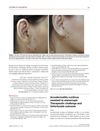
June 2008 in “Journal of the European Academy of Dermatology and Venereology” This paper discusses a case of acrodermatitis continua that was resistant to treatment with etanercept, highlighting the therapeutic challenges faced, but reports no new research results.
 February 2026 in “Preprints.org”
 In this study, extracellular vesicles from Saccharomyces cerevisiae demonstrated multifunctional bioactivity, enhancing cell proliferation and migration, reducing inflammation, and promoting collagen gene expression in hair follicle–related cells.
4 citations
,
August 2025 in “Frontiers in Immunology” This review explores how mesenchymal stem cells and their extracellular vesicles may treat various skin diseases by modulating immune responses and promoting healing, though further clinical trials are needed to confirm their safety and efficacy in practice.
12 citations
,
January 2021 in “Journal of Cutaneous and Aesthetic Surgery” This systematic review describes current findings on the use of recombinant epidermal growth factor (rhEGF) for skin aging and wound healing, emphasizing its potential benefits but highlighting the need for more controlled studies to optimize dosing and treatment protocols.
 14 citations
,
May 2019 in “Experimental Dermatology”
14 citations
,
May 2019 in “Experimental Dermatology” In this study, adipose tissue secretome was shown to enhance oxidative stress resistance and promote cell proliferation in vitiligo cells, suggesting a potential natural treatment approach.
January 2011 in “Zhongguo shiyong fuke yu chanke zazhi” This study concludes that hormone therapy can significantly improve skin hydration, elasticity, thickness, and reduce wrinkles by modulating various skin cells through estrogen receptors.