47 citations
,
February 2019 in “Asian Journal of Pharmaceutical and Clinical Research” This review discusses the chemical composition and traditional medicinal uses of Eruca sativa, particularly its potential applications in topical preparations for hair growth and treating skin infections, but reports no new clinical results.
 April 2019 in “The journal of investigative dermatology/Journal of investigative dermatology”
 The researchers reported that DHT may reduce the inflammatory responses induced by C. acnes in androgen-sensitive human sebocyte cells, suggesting a potential link between androgens and infection in sebaceous disorders.
 48 citations
,
January 2003
48 citations
,
January 2003 In this study, researchers isolated and identified diverse endophytes from plants in Asia, finding that these microorganisms have significant potential for producing useful metabolites, including enzymes and antibiotics.
 3 citations
,
January 2016 in “Chemical sciences journal”
3 citations
,
January 2016 in “Chemical sciences journal” This study found that ethanol and petroleum ether extracts of Tridax procumbens roots demonstrated significant antibacterial activity against various bacterial strains compared to benzene extracts.
5 citations
,
February 2025 in “Scientia Horticulturae” This study found that tomato plants inoculated with Enterobacter sp. SA187 grew better under salinity and heat stress, showing improved biomass, ion balance, chlorophyll content, and antioxidant enzyme activity, potentially enhancing crop tolerance to environmental stress.
November 2004 in “Emergency Medicine News” This article reviews the clinical characteristics, treatment challenges, and epidemiology of community-acquired methicillin-resistant Staphylococcus aureus infections, highlighting their spread outside traditional hospital settings but presenting no new clinical results.
This research presentation explored the roles of mammalian multi-copper ferroxidases in iron homeostasis and highlighted new insights into their functions, including non-iron-related ones, while discussing arsenic's role in microbial warfare as a potential antibiotic.
February 2018 in “Open MIND” This study found that both Glycyrrhiza glabra and Emblica officinalis extracts demonstrated significant antibacterial activity against Escherichia coli, with the highest effect seen in 100% crude extracts.
 July 2024 in “Journal of Bioscience and Bioengineering”
 This study identified 65 bacterial species from human hair with varying carbon metabolic capabilities and proposed a systematic way to evaluate their ease of isolation under different conditions.
May 2019 in “Eurasian Journal of Biosciences” In this study, researchers observed that fenugreek aqueous extract was more effective than its alcohol extract in inhibiting the growth of bacteria associated with acne, particularly gram-positive bacteria like Staphylococcus epidermidis and Staphylococcus aureus.
 September 2022 in “Frontiers in genetics”
 This case study reports a new LAMB3 mutation linked to junctional epidermolysis bullosa with severe urinary tract stenosis, outlining treatment challenges and expanding knowledge of EB-related urological complications.
October 2004 in “Emergency Medicine News” This article reviews the treatment and characteristics of skin infections like carbuncles and furuncles related to Staphylococcus aureus, but presents no new clinical findings.
 August 2024 in “Microscopy Research and Technique”
 This study described the structure of the hair brush on male Endoclita vietnamensis moths' legs, identifying characteristics such as specialized scales and a pheromone gland, which could facilitate the future development of pheromone-based pest control methods for eucalyptus pests in China.
 January 2023 in “Springer eBooks”
 This review discusses the causes, characteristics, and current management strategies for epidermolysis bullosa, emphasizing that while experimental therapies show promise, there are no definitive cures.
4 citations
,
January 1886 This article covers the classification and roles of various microbes, such as those involved in fermentations and environmental processes, but it does not provide new research results.
February 2025 in “Borneo Journal of Pharmacy” This study reviewed evidence on eribulin's efficacy and safety for treating metastatic triple-negative breast cancer, highlighting variable survival outcomes and manageable safety profiles for both monotherapy and combination therapies.
 October 2023 in “Pediatric dermatology”
 This study found that Middle Eastern patients with epidermolysis bullosa show specific correlations between their genetic variants and clinical features, which may aid in diagnosis and genetic counseling.
August 2011 in “BIO-PROTOCOL” This protocol paper details methods for live imaging and analysis of dividing germline stem cells in C. elegans and reports no new research findings.
 8 citations
,
July 2019 in “Pure and Applied Chemistry”
8 citations
,
July 2019 in “Pure and Applied Chemistry” This study identified natural compounds from Iris plants that showed potential as inhibitors of urease and carbonic anhydrase-II enzymes, suggesting their possible use in treating related disorders.
 66 citations
,
August 2011 in “Parasitology Research”
66 citations
,
August 2011 in “Parasitology Research” This study found that Mentha pulegium essential oil had a stronger protoscolicidal effect against Echinococcus granulosus in vitro than Mentha piperita, showing dose- and time-dependent effects.
 September 2025 in “Institutional Repositories DataBase (IRDB)”
 Lactic acid bacteria fermentation can turn waste into valuable skincare ingredients.
1 citations
,
April 2019 in “The journal of investigative dermatology/Journal of investigative dermatology” This study observed significant differences in the skin microbiome between hidradenitis suppurativa patients and healthy individuals, notably with decreased β-diversity and a distinct abundance of certain bacteria in affected skin.
 119 citations
,
October 2011 in “Journal of Veterinary Internal Medicine”
119 citations
,
October 2011 in “Journal of Veterinary Internal Medicine” This review discusses the clinical manifestations and immune response to Rhodococcus equi infection in foals but reports no new clinical results.
 January 2023 in “Wiadomości Lekarskie”
 In this study, the researchers shared their experiences with using local intracanal antibiotic therapy for treating endodontic bacterial infections, noting that current disinfectants, though effective, are highly toxic to human cells.
1 citations
,
April 2014 in “Journal of the Korean Society of Food Science and Nutrition” This study found that unripe Rubus occidentalis extracts may inhibit benign prostatic hyperplasia development in a rat model by reducing prostate weight and androgen-related gene expression.
June 2026 in “Journal of Clinical Microbiology” This abstract reports no new research findings; it includes an educational image of microorganisms found in a skin biopsy.
 March 2026 in “Israel Journal of Plant Sciences”
 This study investigated the endophytic bacterial community of Eclipta prostrata, finding that these microorganisms contribute to the plant’s stress tolerance and detoxification, which may enhance its medicinal properties by supporting the synthesis and stability of beneficial metabolites.
15 citations
,
November 2009 in “Journal of Comparative Pathology” Epidermolysis bullosa in calves was not caused by mutations in the keratin genes bKRT5 and bKRT14.
 10 citations
,
May 1978 in “Acta Dermato Venereologica”
10 citations
,
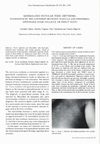
May 1978 in “Acta Dermato Venereologica” In this study, seven patients with generalized toxic erythema developed sterile pustules localized to hair follicles or sweat ducts, with most having a history of medication, solvent exposure, or infection.
 April 2018 in “Journal of Investigative Dermatology”
 This study found that palmoplantar pustulosis patients exhibited oral dysbiosis, particularly among those with pustulotic arthro-osteosis, as compared to healthy controls.