 2 citations
,
August 2024 in “International Journal of Dermatology”
2 citations
,
August 2024 in “International Journal of Dermatology” This study found that treating patients with androgenetic alopecia using exosomes from adipose tissue stem cells over 24 weeks significantly increased hair density and patient satisfaction without severe adverse effects, suggesting a promising alternative treatment for hair loss.
1 citations
,
October 2025 in “Journal of Investigative Dermatology” In this study of women with frontal fibrosing alopecia, delgocitinib cream improved the molecular signature of lesions and demonstrated potential as a treatment, showing significant transcriptomic changes and some clinical improvements over 12 weeks compared to a cream vehicle.
 April 2026 in “Journal of Inflammation Research”
 This narrative review highlights the shared immunopathogenesis of alopecia areata and atopic dermatitis and discusses approved and investigational therapies that target common pathways, suggesting a future for personalized treatment strategies.
February 2026 in “Journal of Allergy and Clinical Immunology” In this single-cell transcriptomic study, researchers analyzed AA scalp samples and found distinct immune and nonimmune cell activation patterns, with elevated TH1/TH2 and JAK/STAT markers potentially contributing to hair follicle immune privilege disruption and disease severity.
February 2026 in “JDDG Journal der Deutschen Dermatologischen Gesellschaft” This study highlights the need for targeted educational programs and better collaboration between dermatologists and oncologists to address knowledge gaps and improve patient care.
November 2025 in “Journal of Investigative Dermatology” IMG-007 helps regrow hair and reduce scalp inflammation in severe alopecia areata.

This study identified distinct immune differences in patients with alopecia areata, particularly those with atopic backgrounds, and highlighted the OX40 axis as a potential therapeutic target for the condition.
July 2024 in “Journal of Investigative Dermatology” Brepocitinib improves cicatricial alopecia and reduces key immune markers.
July 2024 in “Journal of Investigative Dermatology” July 2024 in “Journal of Investigative Dermatology” 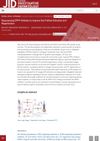 May 2023 in “Journal of Investigative Dermatology”
 In this study, researchers found that topical application of the diabetes medication Sitagliptin in mice accelerates hair follicle regeneration and reduces fibrosis, suggesting it could be repurposed to treat hair loss conditions like alopecia.
April 2019 in “Journal of Investigative Dermatology” Targeting immune pathways like JAK/STAT may help treat frontal fibrosing alopecia.
34 citations
,
February 2015 in “Frontiers in Cellular Neuroscience” This study identified new genes and compounds affecting hair cell survival during ototoxin exposure using the zebrafish model, potentially aiding in understanding and preventing hearing loss and balance disorders in humans.
 2 citations
,
April 2025 in “Dermatology and Therapy”
2 citations
,
April 2025 in “Dermatology and Therapy” This study found that although both adults and adolescents with alopecia areata experience a significant quality of life impact from ≥50% scalp hair loss, the impact is greater for adolescents, as indicated by their higher Dermatology Life Quality Index scores.
August 2025 in “Clinical and Experimental Dermatology” This study found that although patients with significant scalp hair loss experienced substantial reductions in Severity of Alopecia Tool scores, few maintained this improvement over time, indicating potential suboptimal effectiveness of current treatments.
June 2024 in “Ecotoxicology and Environmental Safety” This study observed that chronic and acute exposure to finasteride negatively impacted development, reproduction, and gene expression in Daphnia magna, highlighting the environmental risks of this pharmaceutical for freshwater ecosystems.

This study assessed the environmental impact of the drug finasteride on Daphnia magna, finding that both acute and chronic exposure impaired development and reproduction, affected gene expression and metabolism, and altered lipid profiles, highlighting the need to understand pharmaceutical impacts on aquatic ecosystems.
January 2026 in “White Rose Research Online (University of Leeds, The University of Sheffield, University of York)” This study found that while patients with alopecia areata in Europe experienced substantial reductions in hair loss severity, only a few achieved and sustained a significant improvement in their condition.
 7 citations
,
May 2016 in “European Polymer Journal”
7 citations
,
May 2016 in “European Polymer Journal” This study found that biodegradable hyperbranched polyesters improved the solubility and loading capacity of hydrophobic drugs, with complete pyrene release achieved in 16 days under enzymatic conditions.
 72 citations
,
October 1998 in “Baillière's clinical endocrinology and metabolism”
72 citations
,
October 1998 in “Baillière's clinical endocrinology and metabolism” This article discusses the potential effects of exogenous testosterone, highlighting that its impact on prostate cancer progression, cardiovascular health, and behavior remains uncertain and needs further investigation.
 21 citations
,
August 1960 in “British journal of dermatology/British journal of dermatology, Supplement”
21 citations
,
August 1960 in “British journal of dermatology/British journal of dermatology, Supplement” Endoxan often causes hair loss, which usually starts in the third week of treatment.
 151 citations
,
February 2007 in “International Journal of Dermatology”
151 citations
,
February 2007 in “International Journal of Dermatology” This review explores the causes and mechanisms of alopecia areata and discusses current treatments, reporting no new clinical findings.
 77 citations
,
January 1980 in “Carcinogenesis”
77 citations
,
January 1980 in “Carcinogenesis” This study found that TPA was significantly more effective than mezerein in inducing dark basal keratinocytes in mouse skin, which may be important in early tumor promotion stages.
 25 citations
,
May 2003 in “Expert Opinion on Therapeutic Patents”
25 citations
,
May 2003 in “Expert Opinion on Therapeutic Patents” This review examines patents and publications on steroid sulfatase inhibitors since 1999 and reports no new clinical results, highlighting their potential for treating estrogen- and androgen-driven conditions.
 5 citations
,
February 2014 in “Journal of chemical ecology”
5 citations
,
February 2014 in “Journal of chemical ecology” This study determined the broad class and molecular species of glycerophospholipids in Eastern red bat sebum, highlighting differences from previous bat lung surfactant studies.
 2 citations
,
October 2004 in “Organic Process Research & Development”
2 citations
,
October 2004 in “Organic Process Research & Development” This review discusses U.S. patents in organic process development published in July and August 2004 and reports no new experimental results.
 2 citations
,
December 2003
2 citations
,
December 2003 This article discusses Serenoa repens (Saw palmetto) for preventing and treating androgenic alopecia, highlighting its phytosterols' role and lack of side effects but reports no new clinical results.
 1 citations
,
May 2014 in “Lipid Technology”
1 citations
,
May 2014 in “Lipid Technology” This news review reports on the latest developments in lipid technology but presents no new research findings.
 23 citations
,
January 2015 in “Journal of The American Academy of Dermatology”
23 citations
,
January 2015 in “Journal of The American Academy of Dermatology” This study found that patients with myotonic dystrophy type 1 had higher numbers of nevi, dysplastic nevi, melanomas, and pilomatrixomas compared to age- and sex-matched controls.
 20 citations
,
November 2009 in “European Journal of Dermatology”
20 citations
,
November 2009 in “European Journal of Dermatology” This study found that topical latanoprost was not effective in treating alopecia areata in eyebrows and eyelashes.