January 2019 in “University of Liverpool” This study found that equine eosinophilic granuloma and mast cell tumors exhibit distinct histological and molecular features, with eosinophilic granulomas showing more mineralization and mast cell tumors having unique macrophage activity.
5 citations
,
May 2018 in “European journal of pharmacology” This study reviewed the pharmacological properties of fesoterodine and found that its ability to effectively treat overactive bladder, especially in the elderly, is likely due to its specific properties, including its receptor affinity, blood-brain barrier penetration, metabolic conversion, and extended-release formulation.
5 citations
,
April 1946 in “PubMed” This study found that a diet with purified casein and sulfasuxidine resulted in poor growth and anemia in a pig, which improved after treatment with a liver extract.
11 citations
,
August 2021 in “Stem Cell Research & Therapy” This study found that coadministration of pimecrolimus may interfere with the therapeutic efficacy of mesenchymal stem cell therapy in atopic dermatitis.
March 2022 in “Oncology Times” In this study, tebentafusp-tebn improved overall survival in patients with metastatic uveal melanoma compared to standard therapies, despite higher rates of significant adverse events.
 September 2021 in “Journal of skin and stem cell”
 Lactium, a milk protein, can help reduce symptoms of skin disorders linked to stress and anxiety without side effects.
 April 2017 in “Journal of Investigative Dermatology”
 Applying pseudoceramide improved skin and hair health.
 June 2024 in “Journal of medical pharmaceutical and allied sciences”
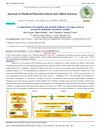
 In this study, researchers observed that Pectin from Nagpuri oranges significantly increased colony counts of probiotic bacteria like L. acidophilus and L. plantarum both in vitro and in vivo, suggesting potential use as a prebiotic or synbiotic in nutraceutical formulations.
 42 citations
,
September 2018 in “Journal of Fungi”
42 citations
,
September 2018 in “Journal of Fungi” This study highlights the challenges in treating Microsporum canis infections due to variable antifungal drug efficacy and potential resistance, emphasizing the need for standardized methods to assess drug susceptibility.
 January 2026 in “The Eurasian Journal of Life Sciences”
 This review discusses recent advances in the development of electrospun pectin nanofibers for biomedical applications, highlighting strategies to improve their mechanical properties and biological functions and addressing challenges like material variability and regulatory issues.
 3 citations
,
January 2017 in “Journal of cosmetology & trichology”
3 citations
,
January 2017 in “Journal of cosmetology & trichology” In this clinical trial, supplementation with Lambdapil® Anti Hair Loss capsules for 6 months significantly improved hair resistance and volume in women and increased the anagen/telogen hair ratio in men, indicating enhanced hair growth compared to the placebo group.
 5 citations
,
January 2015 in “Skin appendage disorders”
5 citations
,
January 2015 in “Skin appendage disorders” This study found that pigmented hair-thickening fibers improved the appearance of scalp alopecia in patients with epidermolysis bullosa, although they may cause pruritus and should be used cautiously.
 March 2026 in “Zenodo (CERN European Organization for Nuclear Research)”
 In this study, a polyherbal gel containing ingredients like Phyllanthus emblica and Melaleuca alternifolia was formulated to manage folliculitis, potentially offering a safe, effective alternative to conventional treatments by reducing microbial infections, relieving inflammation, and promoting healing.
 10 citations
,
January 2009 in “Scientific Electronic Library Online (São Paulo Research Foundation, Latin American and Caribbean Center on Health Sciences Information, Conselho Nacional de Desenvolvimento Científico e Tecnológico)”
10 citations
,
January 2009 in “Scientific Electronic Library Online (São Paulo Research Foundation, Latin American and Caribbean Center on Health Sciences Information, Conselho Nacional de Desenvolvimento Científico e Tecnológico)” This study found that Eclipta alba extracts exhibit significant antimicrobial activity against various human pathogens, including antibiotic-resistant strains, suggesting potential use in treating infectious diseases.
78 citations
,
May 2019 in “Frontiers in Cellular and Infection Microbiology” This study found that the antimicrobial peptide DPK-060 effectively reduced bacterial counts of Staphylococcus aureus and was safe for topical use in preclinical models, although nanocarrier encapsulation did not enhance its efficacy.
 89 citations
,
May 1999 in “Allergy”
89 citations
,
May 1999 in “Allergy” This article reviews the role of Pityrosporum (Malassezia) in skin conditions such as pityriasis versicolor, seborrheic dermatitis, and atopic dermatitis, and discusses treatment approaches; it reports no new clinical results.
12 citations
,
May 2016 in “British Journal of Dermatology” This report describes a rare case of epidermolysis bullosa acquisita in a child developing during therapy with squaric acid dibutyl ester for alopecia areata, suggesting a possible link between the medication and disease onset.
 69 citations
,
July 1997 in “Der Urologe”
69 citations
,
July 1997 in “Der Urologe” This study found that PRO 160/120 and Finasteride showed similar effectiveness in improving urinary symptoms and quality of life in patients with benign prostatic hyperplasia over 48 weeks.
 38 citations
,
November 2016 in “Aaps Pharmscitech”
38 citations
,
November 2016 in “Aaps Pharmscitech” This study found that the nanostructured lipid carrier formulation with a 70:30 solid to liquid lipid ratio significantly increased the dissolution rate, entrapment efficiency, and stability of spironolactone compared to its raw form.
1 citations
,
September 2023 in “Journal of the American Academy of Dermatology” Guselkumab significantly improves quality of life for people with moderate to severe psoriasis.
 1 citations
,
December 2016 in “Vìsnik farmacìï”
1 citations
,
December 2016 in “Vìsnik farmacìï” This study found that a gel base with 0.2% potassium sorbate, 5% glycerin, and other specified components has optimal properties for use in telogen effluvium treatments.
August 2026 in “Pharmacy Reports” This study found that a nanoemulsion hair spray formula with 25% PEG 400 showed promising physicochemical stability, but further research is needed to assess its colloidal stability and efficacy in hair growth.
 1 citations
,
May 2023 in “International Journal of Applied Pharmaceutics”
1 citations
,
May 2023 in “International Journal of Applied Pharmaceutics” In this study, the researchers developed a novasome vesicle carrying bovine placenta extract, which demonstrated superior hair growth effects in rats compared to traditional minoxidil and PE-loaded liposomes, and showed good stability and physical characteristics over 90 days at 4°C.
January 2014 in “Redalyc (Universidad Autónoma del Estado de México)” This case report describes a rare instance of localized scleroderma in a cat, noting that despite treatment, the lesions remained unchanged, and the cause of pruritus was undetermined.
 March 2026 in “Revista Ibero-Americana de Humanidades, Ciências e Educação”
 This systematic literature review found that exosome and PRP therapies show promise as effective, minimally invasive options for treating androgenetic alopecia, with clinical benefits potentially superior to or complementary to minoxidil, although standardization and larger clinical trials are needed to confirm long-term safety and efficacy.
31 citations
,
January 2012 in “Skin Research and Technology” In this study, curcumin was successfully encapsulated in ethyl cellulose and its blend with methyl cellulose, enhancing its skin penetration efficacy through o/w and w/o lotions compared to water suspensions.
22 citations
,
March 2007 in “European journal of pediatrics” This study found that scanning electron microscopy revealed considerable abnormalities in hair morphology in MPS I, II, IIIA, and IIIB patients, potentially related to heparan sulfate accumulation.
 January 2026 in “Cirugía Plástica .”
 This study reviewed preclinical evidence suggesting that topical glutamic acid can enhance hair regrowth and skin healing in burn-induced alopecia, highlighting its potential as a simple, low-cost treatment option that warrants further clinical trials.
1 citations
,
November 2023 in “Journal of Innovations in Applied Pharmaceutical Science (JIAPS)” In this study, researchers developed a neem oil-based emulgel showcasing anti-dandruff properties with controlled dual release, observing formulation F5 providing a 65.27% release after 8 hours and the highest antifungal inhibition against Candida albicans.
 November 2023 in “Dermatologic therapy”
 The scalp serum reduced scalp discomfort and symptoms without affecting skin moisture loss.