 3 citations
,
May 2023 in “Precision clinical medicine”
3 citations
,
May 2023 in “Precision clinical medicine” This study analyzed gene expression data to identify key genes involved in severe forms of alopecia areata, discovering four immune monitoring genes (LGR5, SHISA2, HOXC13, S100A3) with potential for early diagnosis and better understanding of the disease's biological mechanisms.
 2 citations
,
November 2013 in “Elsevier eBooks”
2 citations
,
November 2013 in “Elsevier eBooks” This chapter discusses the role of hormones in regulating reproductive biology and outlines how the endocrine system, particularly the brain and pituitary gland, controls these hormonal processes.
 1 citations
,
November 2025 in “Frontiers in Immunology”
1 citations
,
November 2025 in “Frontiers in Immunology” This review explores the complex role of the Innate Immune System in rheumatoid arthritis, highlighting gaps in understanding its functions and interactions with the Adaptive Immune System, offering insights into potential biomarkers and therapeutic strategies for this challenging autoimmune condition.
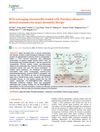 1 citations
,
October 2025 in “Nano Research”
1 citations
,
October 2025 in “Nano Research” In this study, researchers developed a dissolvable microneedle patch combining HA-TEMPO and Portulaca oleracea L.-derived nanoparticles, which effectively reduced oxidative stress and inflammation in an atopic dermatitis model while restoring immune balance, suggesting a promising treatment strategy.
 1 citations
,
September 2025 in “Clinical Cosmetic and Investigational Dermatology”
1 citations
,
September 2025 in “Clinical Cosmetic and Investigational Dermatology” This narrative review highlights the potential of autologous adipose mesenchymal stem cell-derived exosomes (AMSCs-Exos) in anti-skin aging, noting their superior biocompatibility and manufacturing advantages while stressing the need for standardized production protocols to overcome existing application challenges.
 1 citations
,
July 2025 in “Frontiers in Endocrinology”
1 citations
,
July 2025 in “Frontiers in Endocrinology” This review discusses the dual role of apoptotic vesicles in disease and therapy, emphasizing their potential in cancer treatment and tissue regeneration, but reports no new results.
 1 citations
,
April 2025 in “Tropical Journal of Natural Product Research”
1 citations
,
April 2025 in “Tropical Journal of Natural Product Research” In this study, researchers using network pharmacology and molecular docking methods found that compounds from Avicennia Marina could inhibit hepatitis C virus infection by targeting key proteins such as AKT1 and TNF-α, showing potential for anti-HCV treatments.
 1 citations
,
January 2025 in “Frontiers in Pharmacology”
1 citations
,
January 2025 in “Frontiers in Pharmacology” This review discusses the therapeutic and pharmacological potential of total glucosides of paeony in dermatological treatment and notes the need for more rigorous scientific studies.
 1 citations
,
January 2009 in “Trepo - Institutional Repository of Tampere University”
1 citations
,
January 2009 in “Trepo - Institutional Repository of Tampere University” This study found that vitamin D regulates cholesterol metabolism and may influence prostate cancer development through mechanisms affecting prostate cell growth and sex hormone metabolism.
 July 2026 in “International Journal of Drug Delivery Technology”
 This review highlights novel drug delivery systems for alopecia that enhance localization in the pilosebaceous unit, reduce systemic exposure, and support sustained drug release, with a focus on optimized follicular carriers ranging from 100-300 nm for improved drug residence compared to conventional methods.
 June 2026 in “International Journal of Drug Delivery Technology”
 In this review, researchers discussed various novel drug delivery systems, including lipid nanocarriers and polymeric nanoparticles, that may enhance treatment for alopecia by improving drug localization in hair follicles and reducing systemic exposure, potentially offering better outcomes than conventional treatments.
 June 2026 in “Nano Research”
 In this study, researchers developed a novel 3D bio-printed skin scaffold using exosomes from liver cells, which enhanced wound healing by promoting cell growth, angiogenesis, and reducing inflammation in large skin injuries, suggesting potential applications in treating chronic skin conditions.
 June 2026 in “Frontiers in Materials”
 This review examines advancements in "smart" hydrogel dressings for complex wound healing, highlighting innovations in materials that provide multifunctionality, such as responsive drug delivery and regenerative capabilities. The study also addresses potential challenges in clinical application, like manufacturing and regulatory hurdles.
 May 2026 in “Scientific and Technical Bulletin оf State Scientific Research Control Institute of Veterinary Medical Products and Fodder Additives аnd Institute of Animal Biology”
 The researchers reported that zinc carbonate nanoparticles stabilized with polyvinylpyrrolidone did not show local irritant or skin-resorptive effects in preclinical tests on rabbits and rats.
 April 2026 in “Inflammopharmacology”
 This study found that Punica granatum ethanolic leaf extract may alleviate skin fibrosis in rats by modulating inflammation-related pathways and reducing dermal alterations.
 April 2026 in “npj Parkinson s Disease”
 This study found that VPS13C variants are significantly enriched in patients with idiopathic REM sleep behavior disorder (iRBD), associating these variants with more severe symptoms, autonomic dysfunction, and faster progression from iRBD to overt α-synucleinopathy in the iRBD-first disease subtype.
 March 2026 in “Folia Histochemica et Cytobiologica”
 This review highlights LTBP1 as a critical integrator in disease processes, showing its dual role in cancer progression and suppression, its pathological influence in fibrosis, and its contribution to various disorders, suggesting its potential as a biomarker and therapeutic target.
 February 2026 in “Frontiers in Medical Technology”
 This review discusses current knowledge of keratinocyte stem cell dynamics, including their regenerative roles and potential applications beyond wound healing, but presents no new clinical findings.
 February 2026 in “International Journal of Web of Multidisciplinary Studies”
 This review synthesizes current research on how the interaction between the skin microbiome and exosome-mediated communication influences hair disorders, and discusses how microbiome restoration and exosome-based therapies could advance treatments for conditions like alopecia by promoting hair regrowth and follicular health.
 January 2026 in “Dermatology Practical & Conceptual”
 This systematic review found that exosome-based therapies significantly improve skin elasticity, reduce wrinkle depth, enhance hydration, and modulate pigmentation, with minimal adverse events reported across multiple studies. However, further clinical trials are necessary to confirm long-term efficacy and safety.
This study found that direct co-culture of human bone marrow-derived mesenchymal stromal cells with regulatory T cells enhanced osteogenic gene expression, alkaline phosphatase activity, and matrix mineralization, suggesting Treg's potential in promoting bone regeneration by modulating BMSC mechanobiology through the ROCK-myosin signaling pathway.
 January 2026 in “Communications Biology”
 This study constructed a single-cell atlas of hair follicle cells from yaks and taurine cattle, revealing that differences in WNT signaling within dermal papilla cells may be key to the yak's adaptation to cold environments on the Qinghai-Tibet Plateau.
 January 2026 in “Asian Journal of Pharmaceutical and Clinical Research”
 This review discusses the potential of umbilical cord blood and umbilical cord-derived stem cells in treating various chronic diseases by highlighting their regenerative abilities and ethical advantages as well as the translational challenges and clinical implications.
 January 2026 in “Open Life Sciences”
 This study found that exosomes derived from human amniotic mesenchymal stem cells enhanced stem cell proliferation and structural restoration in irradiated salivary glands of rats, with significant improvements observed by day 7, suggesting activation of the Wnt signaling pathway.
 November 2025 in “Frontiers in Pharmacology”
 In this study, researchers found that gentamicin-loaded exosomes derived from a bovine leukocyte spleen extract significantly enhanced antimicrobial activity and tissue regeneration in infected diabetic wounds, showing potential as an effective therapeutic strategy for diabetic foot ulcers by improving infection control and promoting healing.
 July 2025 in “Scientific Reports”
 This study found that dermal papilla cell-conditioned medium can protect against UV-induced skin aging in a mouse model by modulating ferroptosis pathways, highlighting its potential for treating oxidative stress-related skin conditions.
 July 2025 in “Journal of medical & health sciences review.”
 This review highlights the potential of ultrasound-assisted gene therapy for tissue regeneration by improving gene delivery efficiency through techniques like microbubble-mediated sonoporation. The authors discuss its applications in musculoskeletal, cardiovascular, and neural regeneration, while addressing future challenges in optimizing this non-invasive approach for clinical applications.
 June 2025 in “Medical academic journal”
 The study found that hybrid nanoparticles incorporating exosomes with cationic liposomes 2X3-DOPE significantly improved the delivery of both messenger RNA and small interfering RNA to rat cardiac mesenchymal stem cells in vitro, achieving up to 100% transfection efficiency for small interfering RNA.
 April 2025 in “Journal of Digestive Cancer Research”
 Milk-derived vesicles are promising for delivering drugs orally and treating various conditions.
 January 2025 in “Journal of Medical Biochemistry”
 This review explores the roles of superoxide dismutases in cellular processes and cancer, highlighting the potential of SOD mimetics in enhancing cancer treatment strategies, but it reports no new clinical findings.