 October 2021 in “Revista Medicina Cutánea Ibero-Latino-Americana”
 This case report describes a patient who developed PRIDE syndrome-associated skin issues, including a pruritic papulopustular rash and alopecia, after starting treatment with the EGFR inhibitor erlotinib.
April 2012 in “Cancer Research” In this study, mouse models with EGFR deficiency showed that disrupted hair follicle cycling leads to increased mast cell numbers and inflammation, suggesting EGFR's role in managing hair cycle transitions and preventing folliculitis.
22 citations
,
July 2024 in “Frontiers in Oncology” This study found that FLASH radiation within a Spread-out Bragg Peak retained its normal tissue-sparing effect compared to conventional radiation, with a 40% reduction in acute skin damage and an 18% reduction in fibrotic development in mice.
125 citations
,
August 2003 in “Development” In this study, mice engineered to express human EGFR showed tissue-specific growth defects and neurodegeneration rescue, but developed severe heart issues and accelerated bone cell differentiation.
January 2014 in “www.virtualization.info” This study found that skin wound healing was accelerated in young but delayed in older Med1(epi-/-) mice compared to wild-type mice, suggesting age-dependent roles of MED1 in epidermal regeneration.
2 citations
,
January 2018 in “Biomolecules & therapeutics” This study found that polyamidoamine dendrimers can permeate skin's current conducting pores and alter the magnitude and direction of electroosmotic flow, affecting drug flux during iontophoresis.
 1 citations
,
October 2025 in “Nano Research”
1 citations
,
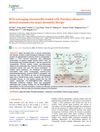
October 2025 in “Nano Research” In this study, researchers developed a dissolvable microneedle patch combining HA-TEMPO and Portulaca oleracea L.-derived nanoparticles, which effectively reduced oxidative stress and inflammation in an atopic dermatitis model while restoring immune balance, suggesting a promising treatment strategy.
 33 citations
,
December 2012 in “NMR in Biomedicine”
33 citations
,
December 2012 in “NMR in Biomedicine” This study reports that microencapsulation of therapeutic cells with contrast agents enables visualization across multiple imaging modalities, potentially improving cellular immunoprotection and tracking after transplantation.
June 2026 in “JEADV Clinical Practice” In this case report, a 77-year-old woman developed alopecia areata after discontinuing cemiplimab treatment for metastatic cutaneous squamous cell carcinoma, suggesting an immune-related adverse effect potentially linked to systemic immune activation.
October 2014 in “Microscopy” This study found that using ionic liquid for specimen preparation allowed for observation of dermal papilla cells and their cilia in near-living conditions, reducing damage typically caused by conventional preparation methods.
June 2026 in “Morphology” This study found that IBA-1-immunopositive macrophages in rat skin during wound healing show varied morphometric characteristics and peak in numbers at 2, 6, and 15 days post-injury.
 2 citations
,
October 2000
2 citations
,
October 2000 This report discusses a request for a health hazard evaluation at Equifax in St. Petersburg, Florida concerning potential workplace exposures related to reported employee health issues, particularly hair loss, but provides no new results.
January 2026 in “SSRN Electronic Journal”  October 2024 in “Cermin Dunia Kedokteran”
 This article discusses the surveillance and spread of hand, foot, and mouth disease in China, Singapore, and Indonesia, and reports no new results, emphasizing the need for improved prevention and management strategies.
 1 citations
,
July 2023 in “Communications biology”
1 citations
,
July 2023 in “Communications biology” In this study, researchers found that deleting Med1, a key epigenetic regulator in dental epithelia, led to hair growth on mouse incisors by altering enhancer landscapes and causing a switch from dental to hair lineage transcription programs.
70 citations
,
March 2002 in “Journal of Burn Care & Rehabilitation” This study found that HB-EGF and TGF-α work together to stimulate wound healing in a murine model of thermal injury, with peak keratinocyte proliferation observed by postburn day five.
 April 2023 in “Journal of Investigative Dermatology”
 This study found that long-term imiquimod treatment on mice intensified skin inflammation early on, but topical corticosteroids significantly reduced skin infiltration and inflammatory cytokines after initial inflammation subsided.
 32 citations
,
February 2016 in “The American journal of dermatopathology/American journal of dermatopathology”
32 citations
,
February 2016 in “The American journal of dermatopathology/American journal of dermatopathology” This study observed that in primary extramammary Paget disease, carcinoma commonly spreads to significant depths along hair follicles and eccrine ducts, with a maximal depth of 3.6 mm.
2 citations
,
October 2023 in “JURNAL ILMU KEFARMASIAN INDONESIA” In this study, researchers formulated a nanosuspension of kenikir leaf extract that meets physical criteria and exhibits cytotoxic activity against MCF-7 breast cancer cells.
 17 citations
,
January 2024 in “Journal of Materials Chemistry B”
17 citations
,
January 2024 in “Journal of Materials Chemistry B” In this study, researchers developed a hyaluronic acid-coated copper peroxide nano-antimicrobial system that demonstrated precise antimicrobial activity and accelerated wound healing by releasing reactive oxygen species in response to bacterial enzymes, in both laboratory and animal tests.
2 citations
,
October 2025 in “Antimicrobial Agents and Chemotherapy” This study found that cepharanthine may be a promising treatment for enterovirus infections, as it offered full protection to mice against lethal EV71 challenges and reduced viral titers and pathology.
41 citations
,
December 2011 in “The journal of investigative dermatology/Journal of investigative dermatology” This study reported that deleting the MED1 subunit from the MED complex in keratinocytes resulted in disrupted hair differentiation and cycling, leading to hair loss in mice.
In this study, the researchers identified that perturbing both AKT1 and MDM2 significantly reduces epithelial-mesenchymal transition in melanoma, proposing Cialis and Finasteride as potential therapeutic candidates with favorable properties for managing aggressive melanoma.
July 2025 in “Journal of Investigative Dermatology” AI-09 is safe, effective, and reduces wrinkles for up to 6 months.
20 citations
,
August 2007 in “Molecular therapy” This study found that inducing hair follicles into the anagen-onset stage in mice enhances the immune response to a topically applied DNA vaccine against anthrax.
 1 citations
,
April 2023 in “Archives of Dermatological Research”
1 citations
,
April 2023 in “Archives of Dermatological Research” This study proposes a grading system based on comorbidities and systemic involvement to assess the severity of dermatological emergencies.
5 citations
,
April 2017 in “The journal of investigative dermatology/Journal of investigative dermatology” This study reports on an ongoing Phase I/IIa clinical trial of ex vivo gene therapy for treating severe Recessive Dystrophic Epidermolysis Bullosa, involving six adult participants with COL7A1 mutations resulting in deficient type VII collagen production.
August 2000 in “Microscopy and Microanalysis” This study used novel methods to detect and map iodine concentrations in pig skin, finding iodine present in the coating, stratum corneum, and tissue around hair follicles.
This study found that Mdm2 is critical for limiting p53 activity to maintain normal stem cell function in mouse skin, with impacts on tissue homeostasis and aging.
This study observed two distinct groups of alopecia areata lesions based on PD-1 expression in T cells from biopsied skin samples, suggesting potential differences in subtypes or stages of the disease that warrant further investigation.