 2 citations
,
August 2013 in “British Journal of Dermatology”
2 citations
,
August 2013 in “British Journal of Dermatology” This case report observed a dramatic improvement in a 15-year-old girl's pachyonychia congenita symptoms during chemotherapy for Ewing sarcoma, suggesting chemotherapy's potential role in managing hyperkeratotic conditions.
 1 citations
,
February 2023 in “International journal of research - granthaalayah”
1 citations
,
February 2023 in “International journal of research - granthaalayah” This study reports that electromagnetic energy from a hydrocolloid wound dressing paste adversely affected human skin lipid droplets in vitro, but the implications, including potential cancer links, are unknown.
4 citations
,
July 2025 in “Frontiers in Pharmacology” This study found that cooling combined with antioxidants can improve scalp cooling effectiveness in preventing chemotherapy-induced alopecia by maintaining hair follicle viability and function.
 April 2026 in “bioRxiv (Cold Spring Harbor Laboratory)”
 This study introduced hydrogel microneedles loaded with palladium nanoparticles, which utilize the inherent cytotoxicity of polyethyleneimine to enhance the effectiveness of doxorubicin in treating melanoma, achieving a tumor inhibition rate of up to 98% in a murine model.
October 2024 in “Biomedical Reports” In this study, BALB/c mice with burn injuries treated with SES-low or SES-low combined with a gel showed better wound healing and organization compared to placebo and common treatments like silver sulfadiazine, highlighting SES-low's effectiveness in promoting favorable healing outcomes.
80 citations
,
August 2022 in “Materials Today Bio” This study developed a double-network hydrogel using polyacrylamide and catechol-chitosan to enhance mechanical properties and promote drug release, aiding in inflammation regulation and wound healing for chronic wounds with challenging microenvironments.
114 citations
,
November 2022 in “Biomedicine & Pharmacotherapy” This review discusses current wound management strategies and examines electrospun nanofibers with biological macromolecules for their potential in tissue engineering and drug delivery, but reports no new clinical results.
In this study, calcium imaging in transgenic mice revealed that non-neuronal TRPV4 in the skin enhances afferent signaling during electrical stimulation, suggesting a role for neuroimmune interaction in acupuncture signal initiation.
July 2024 in “International Journal of Molecular Sciences” In this ex vivo and in vitro study, researchers found that capacitive resistive electrical transfer therapy increased cell proliferation and reduced cell death in hair follicles from patients with androgenic alopecia, suggesting potential benefits for alopecia treatment.
April 2026 in “UNC Libraries” This case report describes a 49-year-old woman with metastatic adrenocortical carcinoma in the liver who experienced an abscopal effect after pulse electric field ablation, with PET/CT imaging showing complete resolution of three untreated lesions two months post-treatment.
 5 citations
,
January 2004 in “Biochimie”
5 citations
,
January 2004 in “Biochimie” This review discusses arsenic trioxide therapy in acute promyelocytic leukemia and introduces a novel method using hair analysis to monitor arsenic exposure and correlate it with treatment timing, but reports no new clinical results.
 92 citations
,
September 2019 in “ACS nano”
92 citations
,
September 2019 in “ACS nano” This study observed that a wearable electric stimulation device significantly promoted hair regeneration in rats and mice, outperforming conventional pharmacological treatments and enhancing growth factor secretion.
 November 2023 in “ACS Nano”
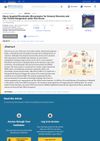
 In a mouse model of deep skin burns, this study found that a neuro-inspired biomimetic microreactor, when delivered through a hydrogel and activated by near-infrared light, significantly promoted functional skin regeneration, sensory recovery, and hair follicle formation.
3 citations
,
April 2020 in “PubMed” This study found that DEB-BACE combined with systemic chemotherapy was more effective than chemotherapy alone for unresectable lung squamous cell carcinoma, reducing side effects and improving survival rates.
3 citations
,
March 2013 in “QScience Connect” This study found that low power He:Ne laser and methylene blue successfully damaged hair follicles in mice while preserving the epidermis, suggesting a potential for improved long-term hair removal options.
 March 2026 in “Pharmaceutics”
 This review discusses therapeutic deep eutectic solvents as promising "green" solutions for enhancing drug solubility and delivery through the skin, reporting no new clinical results and highlighting future research directions.
January 2021 in “Annals of translational medicine” This study found that the YH0618 decoction reduced chemotherapy-induced nail discoloration, alopecia, skin hyperpigmentation, and fatigue in cancer patients who completed chemotherapy.
 February 2023 in “International journal of research - granthaalayah”
 This article reviews a tabletop microscopy method for recording electromagnetic radiation from tissues, using hair follicles as a model, and presents no new clinical findings.
7 citations
,
February 2024 in “ACS Applied Materials & Interfaces” This study found that PEGylated Ag₂S-ZnS@TGA-AA heteronanostructures, activated by light exposure, showed synergistic antibacterial effects against multidrug-resistant bacteria, significantly accelerating the healing of MRSA-infected wounds in comparison to untreated wounds.
 August 2026 in “npj Flexible Electronics”
 This review outlines the potential of soft bioelectronics in wound care, emphasizing their ability to monitor and manage wounds through integrated smart systems and identifying challenges for future advancements in the field.
 November 2025 in “Medical alphabet”
 This study highlights that physiotherapeutic methods like low-intensity laser therapy, radiofrequency, and electrical stimulation show promising effectiveness in stimulating hair growth and treating telogen effluvium by enhancing cell activity, ATP synthesis, and transdermal drug delivery.
 August 2025 in “The American Journal of Medical Sciences and Pharmaceutical Research”
 This study suggests that noninvasive carboxytherapy methods, like gel formulations and device-assisted delivery, can significantly improve skin conditions with high safety and no recovery time, particularly in sensitive areas.
15 citations
,
January 2017 in “Polymers” This review discusses how engineering cell surfaces with polyelectrolytes can address challenges in cell therapy and related biomedical fields and reports no new research findings.
September 2011 in “European journal of cancer” 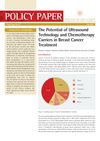
This policy paper explores the potential of using nanoscale carriers to deliver chemotherapy drugs directly to breast cancer tumors in the UAE, aiming to minimize harmful side effects and improve quality of life for patients by targeting only cancerous cells.
 September 2025 in “BULLETIN OF STOMATOLOGY AND MAXILLOFACIAL SURGERY”
 In this review, researchers explored the complex mechanisms behind chemotherapy-induced side effects like nausea, fatigue, and hair loss, and discussed potential strategies using natural agents to manage these toxicities, improving understanding for targeted adjunct therapies.
 2 citations
,
October 2016
2 citations
,
October 2016 This article discusses the range of skin-related side effects caused by chemotherapy and radiotherapy, including novel patterns emerging with targeted therapies, but does not report new clinical results.
 9 citations
,
April 2021 in “Evidence-based complementary and alternative medicine”
9 citations
,
April 2021 in “Evidence-based complementary and alternative medicine” This study found that Guilu Erxian Glue significantly alleviates various doxorubicin-induced side effects in mice, enhancing exercise capacity and reducing oxidative stress and inflammation.
 3 citations
,
April 2021 in “PLoS ONE”
3 citations
,
April 2021 in “PLoS ONE” The authors concluded that controlling voltage, pulse width, and calcium concentration in pulse electric field-activated platelet-rich plasma enhances the release of growth factors and serotonin without causing clot formation, suggesting potential clinical advantages over bovine thrombin-activated PRP.
April 2020 in “The Aesthetics” This article discusses the applications and proposed benefits of LED low level light therapy for various conditions like acne, wound healing, and pain relief, but provides no new clinical results.