 July 1989 in “British Journal of Dermatology”
 Long-term use of canthaxanthin may cause reversible changes in the eye, including crystal deposits and altered vision responses.
 2 citations
,
February 2023 in “Transgenic Research”
2 citations
,
February 2023 in “Transgenic Research” In this study, the presence of the HPV11-E2 protein in transgenic mice was found to increase and vary the expression of a reporter gene in hair follicle bulge regions.
10 citations
,
October 2000 in “PubMed” This study found that transgenic mice expressing HPV E6/E7 in the outer root sheath experience continuous hair follicle cycling due to delayed catagen entrance and insensitivity to telogen resting signals.
30 citations
,
May 2019 in “Journal of the European Academy of Dermatology and Venereology” 
This study introduced a new laser-only method called EKA for acne treatment, which is reported to be safe, painless, and heat-free, showing promising results for both acne and scar repair in initial sessions without combining with LED light.
3 citations
,
March 2019 in “European Journal of Dermatology” A specific gene mutation (Y449H in K10) was found in a patient with severe skin disorder.
November 2024 in “Journal of Investigative Dermatology” Microfluidic models improve testing for aging, wound healing, and oral tissue, reducing animal testing.
 January 2026 in “Zenodo (CERN European Organization for Nuclear Research)”
 This paper discusses ethosomal drug delivery systems, highlighting their improved ability to enhance skin penetration and increase therapeutic effectiveness in treatments like acyclovir for herpes labialis and minoxidil for androgenic alopecia compared to standard formulations.
5 citations
,
May 2016 in “Jahangirnagar University Journal of Biological Sciences” This study demonstrated that the most effective method for inducing multiple shoots and root development in Eclipta alba involved specific concentrations of plant hormones on MS medium, resulting in healthy, flowering plantlets.
4 citations
,
September 2003 in “Livestock Production Science” This study found that epidermal growth factor significantly reduced fibre growth in cultured Tukidale and Romney hair follicles, while cortisol had no effect on follicle growth.
1 citations
,
January 2022 This book chapter reviews the taxonomy, traditional uses, pharmacological effects, and safety of Eclipta prostrata, emphasizing its potential therapeutic applications, but it reports no new clinical results.
 3 citations
,
January 2021 in “Journal of The American Academy of Dermatology”
3 citations
,
January 2021 in “Journal of The American Academy of Dermatology” This study observed that atopic dermatitis severity was associated with higher eosinophil counts and FLG variants, suggesting distinct endotypes that may require tailored treatment approaches.
 109 citations
,
October 2007 in “American Journal of Human Genetics”
109 citations
,
October 2007 in “American Journal of Human Genetics” This study found that postnatal treatment with recombinant EDA normalized adult teeth, improved sweating, and restored normal lacrimation in dogs with XLHED, suggesting its potential as a treatment for the condition.
January 2009 in “Anhui nongye kexue” This study found that higher concentrations of estradiol inhibited the growth of cashmere goat hair follicles, with associated morphological changes observed.
83 citations
,
October 2016 in “Stem Cells and Development” This study found that epidermal growth factor significantly enhances the proliferation of hair follicle-derived mesenchymal stem cells through the EGFR/ERK and AKT pathways, without involving the STAT3 pathway.
November 2022 in “bioRxiv (Cold Spring Harbor Laboratory)” This study found that prostaglandin E2 pretreatment may reduce radiotherapy-induced alopecia by enhancing hair follicle self-repair through transient G1 arrest, suggesting a potential preventive treatment.
 10 citations
,
May 2012 in “Cell Adhesion & Migration”
10 citations
,
May 2012 in “Cell Adhesion & Migration” This study found that ILK/ELMO2 complexes in epidermal keratinocytes are selectively activated by epidermal growth factor to induce cell migration, unlike with other growth factors.
 138 citations
,
February 2007 in “European journal of cancer”
138 citations
,
February 2007 in “European journal of cancer” This review discusses the classification, pathogenesis, and management of skin, hair, nail, and mucosal changes due to EGFR inhibitors, emphasizing the importance of informing patients to improve therapy compliance.
12 citations
,
May 2013 in “International Journal of Dermatology” This study found that a non-ionic ethosomal carrier system significantly improved the delivery and adsorption of black tea extracts onto hair surfaces in vitro, suggesting its potential as a hair dye and protective agent.
2 citations
,
January 2001 in “Medical Journal of National Defending Forces in Northwest China” This study found that endogenous EGF may facilitate the healing of second-degree scald wounds in mice through autocrine, paracrine, and endocrine mechanisms.
October 2007 in “European Neuropsychopharmacology”  April 2016 in “Journal of The American Academy of Dermatology”
 Ixekizumab is effective and safe for patients who did not improve with etanercept treatment for psoriasis.
October 2025 in “Dermatology Practical & Conceptual” In this study, UVFD and sUVRD techniques revealed distinctive characteristics of GD lesions, suggesting that GD might be more common in younger individuals and females than previously thought, possibly due to underdiagnosis. Incorporating dermatoscopy in exams may help improve GD detection and management.
35 citations
,
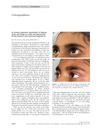
March 2010 in “British journal of dermatology/British journal of dermatology, Supplement” This study demonstrates that mouse eyelashes can effectively model human eyelash growth to analyze morphology, development, and the effects of growth-stimulatory agents like bimatoprost.
 14 citations
,
November 2009 in “Clinical and experimental dermatology”
14 citations
,
November 2009 in “Clinical and experimental dermatology” This article presents a case report of a child with coexisting alopecia areata and vitiligo showing improvement with topical prostaglandin E2 treatment, without reporting new clinical results.
July 2026 in “Frontiers in Oncology” This mini review reports on papulopustular eruptions linked to classical EGFR inhibitors, MEK inhibitors, and amivantamab, highlighting distinct dermatologic toxicities in each treatment context and exploring underlying mechanisms and management strategies.
10 citations
,
January 2020 in “Biomedicine & Pharmacotherapy” This study found that XiaoZhenFang (XZF) reduced skin toxicities caused by Erlotinib in a mouse model, likely through mechanisms involving inflammation and EGFR-related pathways.
107 citations
,
June 1997 in “PubMed” In this study, disrupting the epidermal growth factor receptor in mice led to abnormal hair and skin development, characterized by disorganized hair follicles and systemic disease, providing a model for understanding EGFR's role in skin biology.

This study successfully established a functionally stable immortalized sheep granulosa cell line (GCs-SV40T-GFP) that can passaged up to 50 generations, maintaining morphological stability and estradiol secretion, offering a valuable model for research into animal reproductive function and hormone regulation.