3 citations
,
September 2022 in “European Journal of Dermatology” This report identifies a novel splice-site variant in the LAMB3 gene linked to junctional epidermolysis bullosa, emphasizing the need for gene sequencing in diagnosing the disease.
60 citations
,
July 2014 in “Autophagy” This study found that autophagy is impaired in Birt-Hogg-Dubé syndrome-associated renal tumors and identified that the FLCN protein interacts with key autophagy components regulated by ULK1.
18 citations
,
September 2003 in “International Journal of Cancer” This study found that Epstein-Barr virus infection upregulated a truncated variant of human basic hair keratin 1 (hHb1-ΔN) in gastric carcinoma cell lines, suggesting a possible link to carcinoma differentiation.
September 2022 in “European Journal of Dermatology” This study identified a novel pathogenic splice-site variant of the LAMB3 gene in patients with junctional epidermolysis bullosa, highlighting the importance of gene sequencing for diagnosis.
 1 citations
,
January 2020 in “Benha Journal of Applied Sciences”
1 citations
,
January 2020 in “Benha Journal of Applied Sciences” This study found that DEFB1 polymorphisms, specifically the rs1800972 CG and GG genotypes, may predict susceptibility to and severity of alopecia areata.
 76 citations
,
May 2011 in “Cell death and differentiation”
76 citations
,
May 2011 in “Cell death and differentiation” This study found that the enzyme A20 helps regulate EDAR-induced NF-κB signaling in mice, preventing ectodermal abnormalities like disheveled hair and assuring proper skin and appendage development.
136 citations
,
March 1998 in “Oncogene” This study found that transgenic mice overexpressing E2F1 in their epidermis developed skin tumors, confirming in vivo that deregulated E2F1 activity can contribute to tumor development.
39 citations
,
December 1998 in “Journal of Cell Science” This study found that the LEF-1 binding site acts as an enhancer element for the wool keratin intermediate filament gene promoter in hair follicle cortex, with specificity regulated by additional factors.
 August 2019 in “Journal of Invertebrate Pathology”
 This study observed that different alkaline buffers had a significant impact on the volume of liquid consumed by fall armyworm larvae, emphasizing the importance of measuring imbibed volumes to reduce dose errors in bioassays.
September 2025 in “Development” In this study, deleting the transcriptional pause factor Nelfb in mouse preadipocyte lineages led to defective dermal fat formation and lethal outcomes, while interventions targeting Pparg could rescue adipocyte differentiation and promote dermal white adipose tissue formation, underscoring Nelfb's critical role in adipogenesis.
 20 citations
,
May 2013 in “International Journal of Molecular Medicine”
20 citations
,
May 2013 in “International Journal of Molecular Medicine” This study identified a novel missense MAFB variant in a family with some unaffected members, suggesting incomplete penetrance and the potential influence of modifier genes, epigenetic mechanisms, or environmental factors on MCTO phenotype.
6 citations
,
October 1998 in “Experimental Dermatology” This study found that exogenous EGF inhibited hair follicle development and decreased follicle density in both Tabby and normal mice, suggesting interactions between EGF and the Ta peptide influence normal skin phenotype.
 10 citations
,
June 2005 in “The journal of investigative dermatology/Journal of investigative dermatology”
10 citations
,
June 2005 in “The journal of investigative dermatology/Journal of investigative dermatology” This study identified FP-1 as a highly specific extracellular matrix protein in follicular papilla cells, which may play a role in hair growth regulation during specific hair cycle phases.
January 2017 in “Murdoch Research Repository (Murdoch University)” This study identified the novel genetic variant rs143321413 within the EEF2K gene, which may play a role in the development of polycystic ovary syndrome.
 December 2025 in “International Journal of Surgery”
 In this study, researchers identified a causal link between Epstein-Barr virus infection and clear cell renal cell carcinoma, highlighting GBP1 as a key target and suggesting finasteride as a potential inhibitor, offering a new direction for treatment strategies.
 3 citations
,
May 2019 in “BMJ case reports”
3 citations
,
May 2019 in “BMJ case reports” This report describes a rare case of severe combined immunodeficiency caused by a FOXN1 gene variant, complicated by Epstein-Barr virus infection and high-grade B-cell lymphoma, leading to the infant's death despite treatment efforts.
 February 2016 in “The journal of allergy and clinical immunology/Journal of allergy and clinical immunology/The journal of allergy and clinical immunology”
 This study reports a novel mutation in the TP63 gene associated with T and B cell lymphopenia in an EEC patient, suggesting that EEC diagnosis should include TREC assay and evaluation for immunodeficiency.
 12 citations
,
December 2020 in “Archives animal breeding/Archiv für Tierzucht”
12 citations
,
December 2020 in “Archives animal breeding/Archiv für Tierzucht” This study found that EDA and EDAR are expressed throughout cashmere goat fetal development and play a critical role in hair follicle formation by influencing gene expression in fibroblasts and epithelial cells.
20 citations
,
January 2017 in “Experimental Dermatology” In this study, deleting the Igf1 receptor in specific skin cells of mice affected hair follicle cycling but not overall skin health, suggesting Igf1r's role in hair cycle regulation through Bmp-4 activation.
This study identified UBC22 as a novel E2 enzyme responsible for Lys11-linked ubiquitination in Arabidopsis, revealing its crucial roles in seed setting, female gametophyte development, and pathogen resistance.
39 citations
,
July 1993 in “The journal of investigative dermatology/Journal of investigative dermatology” This study found that daily injections of basic and acidic fibroblast growth factor in newborn mice significantly delayed hair follicle development within the treatment area, while epidermal growth factor affected the entire body coat and caused skin hyperkeratinization.
 July 2026 in “bioRxiv (Cold Spring Harbor Laboratory)”
 This study identified a new FAK isoform, FAKΔe4, which is regulated by ECM stiffness and affects cell migration, invasion, and mechanosensing in human-derived data and engineered models.
66 citations
,
June 2004 in “Development” This study found that FGF signaling is necessary for the initiation of feather placode development in chicken embryos, with FGF10 being implicated as an early dermal signal in the process.
19 citations
,
November 2012 in “Cell Communication and Signaling” This study found that Fibroblast growth factor-9 (FGF-9) accelerates epithelial invagination in engineered ectodermal organs and suggests its potential role in organogenesis and regeneration research.
This study found that the Arabidopsis thaliana protein Formin 2 localizes to plasmodesmata and is crucial for regulating their permeability by anchoring actin filaments, which affects virus susceptibility.
4 citations
,
February 2019 in “BioMed Research International” In this study, ebastine significantly increased the proliferation of human follicle dermal papilla cells and may contribute to hair regrowth by activating the ERK signaling pathway.
92 citations
,
May 2004 in “Journal of Investigative Dermatology”  August 2025 in “BMC Pregnancy and Childbirth”
 In this study, prenatal ultrasonography was found to be a valuable tool for screening ectodermal dysplasia during pregnancy, and a new EDA gene variant associated with X-linked hypohidrotic ectodermal dysplasia was identified, aiding in more accurate diagnoses and reproductive decision-making.
 November 2022 in “bioRxiv (Cold Spring Harbor Laboratory)”
 This study found that conditional deletion of Mof in mice resulted in severe defects in skin development, including compromised epidermal differentiation and hair growth, leading to perinatal lethality.
 24 citations
,
July 2017 in “Structure”
24 citations
,
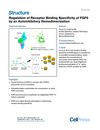
July 2017 in “Structure” In this study, researchers found that ligand homodimerization controls the receptor binding specificity of the FGF9 subfamily, preventing off-target activation of FGFR "b" isoforms.