 November 2024 in “PubMed”
 This study found that carboxytherapy significantly improved skin wrinkles, laxity, and pigmentation among 28 patients with skin aging on the abdomen, accompanied by increased epidermis and dermis thickness and no significant side effects.
 October 2024 in “La Tunisie Médicale”
 In this cross-sectional study conducted at Farhat Hached Hospital in Tunisia, more than half of the 60 alopecia areata patients surveyed experienced depression, particularly younger individuals and those with severe or specific forms of the condition, underscoring the need for psychological support.
 August 2024 in “Qucosa (Saxon State and University Library Dresden)”
 In this study on mice, researchers observed that dermal white adipose tissue (dWAT) plays a key role in regulating skin inflammation and tissue repair; however, reduced expression of certain cytokines in obese mice may hinder these processes, indicating potential metabolic disruptions in dWAT during inflammation.
 June 2024 in “Research Square (Research Square)”
 This case report documented a 32-year-old man's acute pancreatitis following an overdose of finasteride, highlighting the potential for rare but severe side effects from the drug in overdose situations, and suggesting a need for further research into its safety.
This literature review reports that mesenchymal stem cell-derived secretome, including conditioned medium and extracellular vesicles, shows promise as an effective treatment for various diseases in animal and human in-vivo models, with ongoing clinical trials and recommendations for future research discussed.

In this case study, a patient experienced darkening of hair color after taking acitretin, an oral retinoid known for potentially causing alopecia, marking a rare and undocumented phenomenon.
 April 2024 in “Cell death and disease”
 This review discusses the long-term complications of COVID-19, known as long COVID or PASC, and emphasizes the need to improve awareness and management strategies but reports no new clinical findings.
 March 2024 in “PLoS medicine”
 This study systematically reviewed meta-analyses and Mendelian randomization studies to identify factors influencing prostate cancer risk, finding suggestive associations for physical activity, height, and smoking but no robust, convincing overlapping evidence across tested factors.

This monograph reviews the historical and contemporary use of pomegranate in medicine, detailing its chemical components and applications across various medical fields including oncology, dentistry, and urology.
 December 2023 in “Research Square (Research Square)”
 This study found that IL-4 VNTR intron 3 and TNF-α (rs1799964) gene polymorphisms do not have a significant association with alopecia areata susceptibility in the Egyptian population.
 December 2023 in “Jurnal Penelitian Pendidikan IPA”
 In this laboratory study on mice, researchers found that both platelet-rich plasma and salmon DNA serum promoted wound healing, with platelet-rich plasma providing faster results due to its bioactive growth factors.
 October 2023 in “Cognizance journal”
 This study explores using agent-based modeling and nutrition science to predict and treat oral and dental diseases as alternatives to traditional incarceration for managing criminal behavior, but results are not reported.
 August 2023 in “International Ayurvedic medical journal”
 In this thesis, the authors concluded that various lifestyle factors such as poor dietary habits, stress, and inadequate hair care habits contribute significantly to hair fall, or Khalitya, highlighting the role of lifestyle changes in mitigating hair loss.
This study aims to use a comprehensive health data set to develop a statistical model that can improve personalized and preventive health care by understanding relationships between various health parameters in individuals.
 January 2023 in “Frontiers research topics”
 This article describes the Frontiers journal series, highlighting its open-access approach and tiered publishing system, but it presents no new empirical findings.
 December 2022 in “theses.fr (ABES)”
 This study found that microplastics on the Lebanese Mediterranean coast transport various organic and inorganic pollutants, posing threats to marine organisms and potentially human health.
 September 2022 in “Research Square (Research Square)”
 This study found that caffeic acid treatment mitigated the negative effects of acrylamide toxicity in Wistar rats by normalizing tissue and serological indices.
 July 2022 in “Research Square (Research Square)”
 This study found that Egyptian women with frontal fibrosing alopecia had lower serum PPARγ levels and a higher occurrence of PPARG gene polymorphism compared to healthy controls, suggesting a potential role for PPARγ in the condition's development.
 January 2022 in “Dermatology Review”
 This study found that patients with chronic kidney disease-associated pruritus had elevated serum levels of interleukin 31, suggesting a possible role of this cytokine in the condition.
 October 2021 in “Turkderm”
 This study found that women with post-adolescent acne experience marked menstrual irregularities, polycystic ovaries, androgenetic alopecia, hirsutism, and metabolic syndrome, but insulin resistance and dyslipidemia may not significantly contribute to their acne's pathogenesis.

This study found that sericin dressing containing collagen hydrolysate significantly reduced wound healing time and improved scar quality compared to commercial dressing in split-thickness skin graft donor sites.
 June 2020 in “Journal of Investigative Dermatology”
 This study reported that a treatment serum containing ingredient blends with panthenol, licorice extract, and red clover extract significantly improved hair volume, scalp coverage, and reduced hair breakage over 6 months in individuals with thinning or damaged hair.
 January 2020 in “Medpulse International Journal of General Medicine/Medpulse International Journal of Medicine”
 In this study, among 50 patients with premature hair graying, the combination of biotin, zinc, and calcium pantothenate showed no significant efficacy in treating the condition, and the researchers observed associations with other disorders such as anemia, alopecia areata, thyroid disorder, and vitiligo.
 January 2020 in “Asian journal of applied science and technology”
 This source provides an overview of the dietary recommendations for macronutrient intake and the benefits of plant-based diets, including meeting essential amino acid needs through combining plant proteins and the advantages of consuming complex carbohydrates and adequate fiber for health.
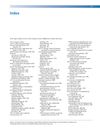 November 2019 in “Harper's Textbook of Pediatric Dermatology”
 This index of Harper's Textbook of Pediatric Dermatology, Fourth Edition, provides no clinical results or new findings.
 January 2019 in “ARC journal of pharmaceutical sciences”
 This review traces the historical understanding and treatment of acne across ancient Egyptian, Greek, and Roman civilizations, but provides no new clinical findings.

This book reviews evidence-based medicine practices in obstetrics and gynecology but reports no new clinical findings.
 July 2018 in “Elsevier eBooks”
 This article reviews the clinical presentation, diagnosis, and treatment options for discoid lupus erythematosus and reports no new clinical results.

This chapter reviews various fungal skin diseases affecting cattle but does not report new research findings; it focuses on rare, inherited, and congenital conditions like follicular dysplasia and cutaneous asthenia.
 January 2017 in “Elsevier eBooks”
 This chapter discusses charnolopharmacotherapeutics for various medical conditions and suggests antioxidant-loaded nanoparticles may improve treatment by enhancing central nervous system delivery and inducing charnolophagy.