July 2026 in “International Journal of Research in Pharmacology & Pharmacotherapeutics” In this study, the methanolic extract of Tridax procumbens Linn demonstrated significant antiulcer activity in a mice model of acetic acid-induced ulcerative colitis, offering 57.12% ulcer protection compared to 50.60% by the standard drug prednisolone.
 64 citations
,
January 1998 in “Drugs”
64 citations
,
January 1998 in “Drugs” In this study, oral dienogest combined with ethinylestradiol provided effective contraception with a Pearl Index of approximately 0.2 and improved androgenic symptoms without significant metabolic effects.
 December 2011 in “The Diabetes Educator”
 This article describes how a new blood glucose management service at the NIH Clinical Center improved safety and patient outcomes for hospitalized patients with diabetes.
3 citations
,
February 2013 in “Actas dermo-sifiliográficas/Actas dermo-sifiliográficas” A 6-year-old boy developed excessive hair growth after taking diazoxide for low blood sugar.
 May 2023 in “Journal of Investigative Dermatology”
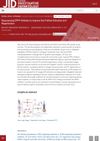
 In this study, researchers found that topical application of the diabetes medication Sitagliptin in mice accelerates hair follicle regeneration and reduces fibrosis, suggesting it could be repurposed to treat hair loss conditions like alopecia.
 February 2026 in “Reports — Medical Cases Images and Videos”
 This retrospective case series reported that pediatric patients with alopecia totalis and subtotalis experienced significant hair regrowth after treatment with the JAK inhibitor upadacitinib, with mild acne as the most common side effect; however, larger studies are needed to establish its efficacy and safety conclusively.
 January 2024 in “Journal of Crohn's and colitis”
 This study reports that JAK inhibitors were effective in inducing remission in ulcerative colitis patients and presented an acceptable safety profile with a range of manageable side effects.
7 citations
,
August 2024 in “Clinical and Experimental Dermatology” In this retrospective study conducted at a trichology clinic, the off-label use of upadacitinib for at least 24 weeks was found to have a promising efficacy and safety profile for treating severe alopecia areata in adolescents.
33 citations
,
May 2017 in “Journal of Clinical Oncology” This phase I study reported that ETC-159, targeting Wnt signalling, showed tolerable safety profiles at doses that inhibit its pathway, though bone turnover markers increased, warranting early and regular monitoring. No tumor responses were observed, but two patients achieved stable disease for several cycles.
19 citations
,
January 2009 in “OpenSIUC (Southern Illinois University Carbondale)” This study found that extracts from Calotropis gigantea and Tridax procumbens individually demonstrated greater anti-inflammatory activity than Ibuprofen in a carrageenin-induced paw edema model.
1 citations
,
July 2021 in “Current nanomedicine” This study found that nanostructured lipid carriers could serve as a promising vehicle for topical Acitretin delivery in psoriasis treatment, potentially reducing oral side effects and enhancing patient compliance.
 June 2023 in “Current Issues in Molecular Biology”
 In this study, the alcoholic extract DN106212 from Centipeda minima was shown to be more effective in promoting hair growth in C57BL/6 mice compared to dimethyl sulfoxide and tofacitinib, suggesting its potential as a natural hair growth agent.
September 2023 in “Journal of the American Academy of Dermatology” CTP-543 significantly improved eyebrow and eyelash regrowth and patient satisfaction in adults with alopecia areata.
1 citations
,
October 2025 in “Journal of Investigative Dermatology” In this study of women with frontal fibrosing alopecia, delgocitinib cream improved the molecular signature of lesions and demonstrated potential as a treatment, showing significant transcriptomic changes and some clinical improvements over 12 weeks compared to a cream vehicle.

In this study, the ethanol extract of Tridax procumbens leaves exhibited antimicrobial activity against both Gram-positive and Gram-negative bacteria, with specific active compounds identified through GC-MS analysis that may contribute to its therapeutic potential.
42 citations
,
July 2017 in “Molecular therapy” This study found that applying a tocotrienol-rich phytochemical topically induced hair follicle development in adult mice, revealing a new epidermal pathway involving E-cadherin and β-catenin.
 April 2023 in “Journal of Investigative Dermatology”
 This study found that treprostinil, a prostacyclin analog, significantly delayed fibroblast migration from healthy donors but did not affect fibroblast migration derived from diabetic foot ulcers.
 20 citations
,
August 1987 in “Journal of steroid biochemistry/Journal of Steroid Biochemistry”
20 citations
,
August 1987 in “Journal of steroid biochemistry/Journal of Steroid Biochemistry” This study suggests that Aldactone may be more effective than Diane in reducing hair growth, despite having minimal impact on hormone levels.
 March 2024 in “International Journal of Dermatology”
 In this case report, a 40-year-old male with alopecia universalis and twenty-nail dystrophy showed significant nail improvement and partial hair regrowth after six months of baricitinib treatment, improving his quality of life.
 June 2026 in “Drugs in Context”
 This review highlights that deucravacitinib, a selective TYK2 inhibitor, shows promise as an effective treatment for psoriasis and other inflammatory skin diseases, though real-world evidence beyond psoriasis is still emerging.

This study found that combining AMD3100 and low-dose FK506 significantly improved and accelerated the healing of diabetic wounds in rats, suggesting a promising therapeutic approach for wound care in diabetes.
 16 citations
,
January 2020 in “Diabetes”
16 citations
,
January 2020 in “Diabetes” In this study using diabetic rat models, the combination of AMD3100 and low-dose FK506 reduced wound healing time and improved microcirculation in diabetic foot ulcers, indicating a promising new systemic therapy.
 May 2021 in “Letters in Applied NanoBioScience”
 This study used computational methods to identify pranlukast and mirabegron as promising candidates for repurposing against diabetes due to their good binding interactions with the DPP-IV target.
51 citations
,
May 2008 in “Mycoses” This study found that terbinafine HCl nail solutions with or without DDAIP HCl significantly outperformed ciclopirox nail lacquer in treating guinea pig dermatophytosis, suggesting potential effectiveness for human nail infections.
 January 2016 in “The Australian Pharmacist”
 Tofacitinib might be used to treat hair loss.
 November 2023 in “Translational Medicine Communications”
 In this study, researchers found that Derinat, a TRPCs inhibitor, reduced oxidative stress and prolonged the anagen phase of hair growth in mice, supporting its potential as a therapy for androgenetic alopecia by improving clinical outcomes and enhancing quality of life for those affected.
3 citations
,
April 2021 in “Oncology Times” This study reports that sacituzumab govitecan achieved a 33.3% overall response rate in patients with metastatic triple-negative breast cancer who had prior treatments, with a median response duration of 7.7 months.
 September 2022 in “XXXIX Congresso Brasileiro de Reumatologia”
 In this case report, a 42-year-old woman with cutaneous dermatomyositis showed significant improvement, including reduction of erythema, pruritus, and scaling, after starting JAK inhibitor tofacitinib, especially when conventional systemic treatments failed and intravenous immune globulin wasn't viable.
September 2015 in “Photodiagnosis and Photodynamic Therapy”  April 2018 in “The journal of investigative dermatology/Journal of investigative dermatology”
 This phase 2a trial evaluated Samcyprone for common wart treatment and found that while a sensitization reaction is necessary for therapeutic response, its level does not predict wart clearance.