 105 citations
,
September 1995 in “Journal of The American Academy of Dermatology”
105 citations
,
September 1995 in “Journal of The American Academy of Dermatology” This review discusses the use of recombinant cytokines as therapeutic agents in clinical settings and describes the range of cutaneous complications associated with their use, including both minor and severe skin reactions.
 74 citations
,
June 2018 in “Cell death and disease”
74 citations
,
June 2018 in “Cell death and disease” In this study, researchers found that depleting mtDNA in mice caused skin wrinkles and hair loss but restoring mitochondrial function reversed these effects, highlighting mtDNA's significant role in skin and hair health.
56 citations
,
December 1990 in “Differentiation” Growth factors can either promote or inhibit hair follicle cell growth and collagen breakdown.
41 citations
,
February 2021 in “Translational research” This review discusses the role of noncoding RNAs (ncRNAs) in radiation response and highlights their potential as biomarkers for assessing radiation damage, but reports no new clinical results.
 31 citations
,
March 2018 in “Frontiers in Immunology”
31 citations
,
March 2018 in “Frontiers in Immunology” This article reviews the complexities and challenges in classifying systemic lupus erythematosus and the problematic role of the anti-dsDNA antibody as a biomarker, without presenting new experimental findings.
29 citations
,
October 2019 in “Journal of dermatological science” This review explores how cell and mouse models have contributed to understanding the mechanisms of human aging, particularly focusing on Hutchinson-Gilford Progeria Syndrome, and reports no new clinical results.
28 citations
,
October 2024 in “Advanced Materials” This study reports that a new artificial skin system using multi-layered hydrogels can promote scarless wound healing and regenerate appendages like hair follicles without cell transplantation.
28 citations
,
December 2001 in “European Journal of Pharmacology” This study found that the compound M50054 inhibits apoptosis by blocking caspase-3 activation and may improve chemotherapy-induced alopecia and hepatitis symptoms.
25 citations
,
June 1998 in “Journal of Investigative Dermatology” Murine cytomegalovirus does not cause alopecia areata in these mice.
23 citations
,
August 1983 in “PubMed” This case report details a 17-year-old girl with systemic lupus erythematosus and recurrent infections linked to a complete isolated Clq deficiency.
19 citations
,
June 2020 in “BMC Cancer” This study reported that genetic changes in trichilemmal carcinoma resemble those in other skin cancers, with TP53 mutations associated with aggressive clinical outcomes.
14 citations
,
February 1991 in “FEBS Letters” This study found that introducing rat ornithine transcarbamylase gene into spf-ash mice improved liver and intestinal enzyme activity and normalized some metabolic indicators.
13 citations
,
February 2024 in “Clinical Epigenetics” In this study, the authors review how epigenetic regulation influences the role of iPSC-derived neural stem/progenitor cells in spinal cord injury therapy, highlighting challenges in the cells' generation, differentiation, and transplantation, and the effect of therapeutic tools on these processes.
 13 citations
,
February 2007 in “British Journal of Dermatology”
13 citations
,
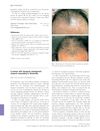
February 2007 in “British Journal of Dermatology” EF and PXE not closely related.
11 citations
,
October 2014 in “Gene” In this study, researchers characterized the FGF5 gene in Chinese Merino sheep, identified a new mRNA splicing variant, FGF5S, and noted its restricted expression in the brain, spleen, and skin.
 10 citations
,
January 1994 in “Advances in pharmacology”
10 citations
,
January 1994 in “Advances in pharmacology” This review examines the role of topoisomerase-interacting drugs in cancer treatment and emphasizes the importance of understanding their mechanisms for clinical development, but it presents no new results.
7 citations
,
January 2025 in “Current Issues in Molecular Biology” This study found that PDRN derived from Lactobacillus rhamnosus showed superior antioxidant and wound-healing properties compared to salmon-derived PDRN, while also offering potential benefits in immune modulation and bioavailability.
 6 citations
,
January 2023 in “Medical Mycology Journal”
6 citations
,
January 2023 in “Medical Mycology Journal” In this case study of a 64-year-old woman with kerion celsi caused by Microsporum canis, treatment with the oral antifungal fosravuconazole resulted in symptom resolution without scarring or side effects over 12 weeks, suggesting its potential effectiveness for various dermatomycoses.
4 citations
,
August 2013 in “Chinese Medical Journal” This study found that a mutation in the seventh exon of the KRT86 gene plays a major role in the pathogenesis of monilethrix in a Chinese family.
3 citations
,
September 2022 in “European Journal of Dermatology” This report identifies a novel splice-site variant in the LAMB3 gene linked to junctional epidermolysis bullosa, emphasizing the need for gene sequencing in diagnosing the disease.
3 citations
,
January 2013 in “Dermatology” This study identified novel compound heterozygous mutations in the hairless gene among a non-consanguineous Chinese family with congenital atrichia, illustrating phenotypic variations due to founder or modifier genes.
3 citations
,
June 2004 in “Critical Care Nurse” This article reviews the importance of genomics in critical care nursing and highlights the need for nurses to understand genetic concepts and advancements to improve patient care, without providing new results.
2 citations
,
October 2023 in “Biology” This review highlights cobalt's essential role in vitamin B12 metabolism and its biomedical applications but also warns of health risks from high levels and environmental contamination, discussing remediation methods like phytoremediation.
 2 citations
,
July 2015 in “Biochemical Systematics and Ecology”
2 citations
,
July 2015 in “Biochemical Systematics and Ecology” This study identified Armillaria gallica and Armillaria cepistipes as the most common symbiotic species with Polyporus umbellatus in China, and reported genetic diversity among their genotypes.
2 citations
,
May 2014 in “BMC Infectious Diseases” In this study, anal beta-papillomavirus infection was found to be highly prevalent among Slovenian MSM, with higher rates observed in HIV-1 positive individuals and those using alkyl nitrates.
 1 citations
,
January 2025 in “Frontiers in Oncology”
1 citations
,
January 2025 in “Frontiers in Oncology” This review highlights REV7's crucial roles in maintaining genome stability, its implication in several cancers, and its association with poor prognoses and treatment resistance, while also noting that REV7 suppression may improve chemotherapy sensitivity.

This study reviewed chitosan composites, specifically those with silver or zinc oxide nanoparticles, highlighting their enhanced antimicrobial efficacy and potential biomedical applications despite pure chitosan's limitations such as pH sensitivity and poor solubility.
 April 2026 in “Research Square”
 This study found that COVID-19 infection disrupts spermatogenesis, alters testicular cell populations, and may impact male fertility by causing long-term changes in testicular function and reduced sperm quality, as observed even in patients who have recovered from the acute phase of the infection.
January 2026 in “Aging and Disease” This study highlights the critical role of mitochondria in skin aging and wound repair, suggesting that targeted interventions such as antioxidants, NAD⁺ boosters, and NRF2-based therapies may enhance mitochondrial function and improve cutaneous health.
This study identified the FGF5:c.578C>T variant as linked to long hair in Akitas in Japan and suggests that genetic testing could help improve their breeding practices and welfare.