 June 2020 in “Annals of the Rheumatic Diseases”
 This observational study concluded that anti-Ku antibodies do not specifically indicate any systemic autoimmune disease or associated clinical phenotype.
 December 2015 in “Journal of skin and stem cell”
 This study reports three cases where patients treated with topical 3% diclofenac gel for scalp actinic keratosis also experienced hair growth in androgenetic alopecia-affected areas.
54 citations
,
February 1994 in “Journal of Investigative Dermatology” March 2026 in “International Journal of Cosmetic Science” This research reports that KCV and its palmitoylated derivatives show strong effectiveness in strengthening hair proteins, indicating their potential for use in advanced hair care products.
September 2025 in “Journal of the American Academy of Dermatology” Ritlecitinib may help treat alopecia areata by protecting hair follicles.
42 citations
,
April 2021 in “JCI insight” In this study, selective inhibition of JAK3 signaling effectively prevented and reversed alopecia areata in a mouse model, while JAK2 inhibitors did not restore hair growth.
 17 citations
,
December 2006 in “Gene Expression Patterns”
17 citations
,
December 2006 in “Gene Expression Patterns” This study reports that the mouse Scube3 gene is expressed in various tissues during embryonic development, including the neural tube, limb buds, developing tooth, hair follicle, and skeletal regions.
30 citations
,
November 2020 in “Journal of Advanced Research” This study found that conditioned medium from keratinocytes improved the hair-inductive properties of cultured dermal papilla cells, suggesting potential for enhancing hair follicle regeneration.
 3 citations
,
August 2024 in “Cureus”
3 citations
,
August 2024 in “Cureus” This study found that DALL-E 2 performed poorly in generating accurate images of most pediatric dermatological conditions, highlighting the need for more domain-specific and inclusive training data.
6 citations
,
May 2000 in “Pediatric Dermatology” This article discusses a case study supporting the reclassification of KID syndrome as an ectodermal dysplasia, introducing a potential treatment combination that may alleviate symptoms in affected patients.
This study reports that a novel series of compounds can potently and selectively inhibit glycogen synthase kinase-3, which activates glycogen synthase in insulin receptor-expressing cells and primary rat hepatocytes.
 59 citations
,
September 2007 in “Biochemical and Biophysical Research Communications”
59 citations
,
September 2007 in “Biochemical and Biophysical Research Communications” This study found that a gain-of-function mutation in the TRPV3 channel leads to altered hair development in DS-Nh mice by affecting the anagen and telogen phases, highlighting TRPV3's role in hair growth regulation.
41 citations
,
December 1988 in “Journal of Investigative Dermatology” 1 citations
,
August 2019 In this study, researchers developed a pemphigus mouse model expressing anti-Desmocollin 3 antibodies and found it mimicked atypical pemphigus with distinct pathological features compared to the standard Desmoglein 3 model.
 27 citations
,
May 2007 in “Archives of dermatological research”
27 citations
,
May 2007 in “Archives of dermatological research” In this study, alopecia areata patients treated with diphencyprone showed a significant increase in CD8 lymphocytes around hair bulbs, which may be associated with hair regrowth.
1 citations
,
January 2020 in “Seoul National University Open Repository (Seoul National University)” This study found that a phosphodiesterase 3 inhibitor promoted hair growth in human dermal papilla cells and stimulated anagen induction in mice, suggesting potential as a treatment for alopecia.
14 citations
,
July 2019 in “Journal of Investigative Dermatology” In this study, targeted inactivation of the integrin-linked kinase gene in melanoblasts led to defects in cell migration, proliferation, and ability to populate the skin, implicating an integrin-linked kinase-Rac1 connection in melanocyte function.
6 citations
,
April 2005 in “Journal of dermatological science” This study identified the expression sites of five KAP5 genes on human chromosome 11q13.5 in scalp skin sections but did not explore their detailed distribution within hair follicles.
12 citations
,
July 2015 in “Experimental Dermatology” This study found that overexpression of Gsdma3 in mice led to epidermal hyperplasia, skin inflammation, and hair growth defects, suggesting gain-of-function mutations in Gsdma3 cause these conditions.
August 2009 in “Mechanisms of Development” 6 citations
,
January 2022 in “Gene” This study identified 53 keratins in the yak genome, predicting diverse phosphorylation sites and subcellular localizations, and highlighted strong gene expression correlations during the yak hair follicle development cycle.
 2 citations
,
April 2021 in “International Journal of Molecular Sciences”
2 citations
,
April 2021 in “International Journal of Molecular Sciences” This study found that the culture conditions, not species-specific differences, determined whether sika deer dermal papilla cells adopted a 3D spheroidal or 2D monolayer growth pattern, influencing their hair-inducing ability.
 18 citations
,
February 2015 in “Acta Crystallographica Section D: Structural Biology”
18 citations
,
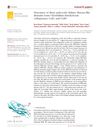
February 2015 in “Acta Crystallographica Section D: Structural Biology” This study reports that Ca 2+ binding alters the dynamics and surface properties of PKD-like domains in Clostridium histolyticum collagenases, enhancing their stability and potentially aiding in collagen-targeting vehicle development.
30 citations
,
October 1999 in “Differentiation” This study found that expression of certain mutant keratin genes in mice led to severe alopecia, suggesting a similar mechanism could cause hair loss in humans.
14 citations
,
November 1979 in “Pediatric Research” 32 citations
,
November 1998 in “Journal of Biological Chemistry” This study found that the unique functions of keratin 16 are likely determined by its tail domain, challenging the previous hypothesis about the role of the helix 1B subdomain.
47 citations
,
September 2004 in “Journal of Biological Chemistry” This study provides evidence supporting a regulatory relationship between the transcriptional regulator Hoxc13 and Krtap16 genes, which are crucial for proper hair growth in mice.
13 citations
,
October 2019 in “Journal of Integrative Agriculture” This study found that certain FZD3 gene variants were significantly associated with wool traits in Chinese Merino sheep, suggesting potential as genetic markers for breeding.
12 citations
,
January 1987 in “Carcinogenesis” This study found that a single application of TCDD on the skin of hairless mice altered epidermal differentiation, changing keratin expression patterns similarly to a known tumor promoter.
101 citations
,
August 2001 in “The Journal of Cell Biology” This study found that while most mice lacking MK6a and MK6b genes died from tongue epithelium disintegration, about 25% survived and showed no hair or nail defects due to a newly discovered MK6hf gene.